← The Global Intelligence Brief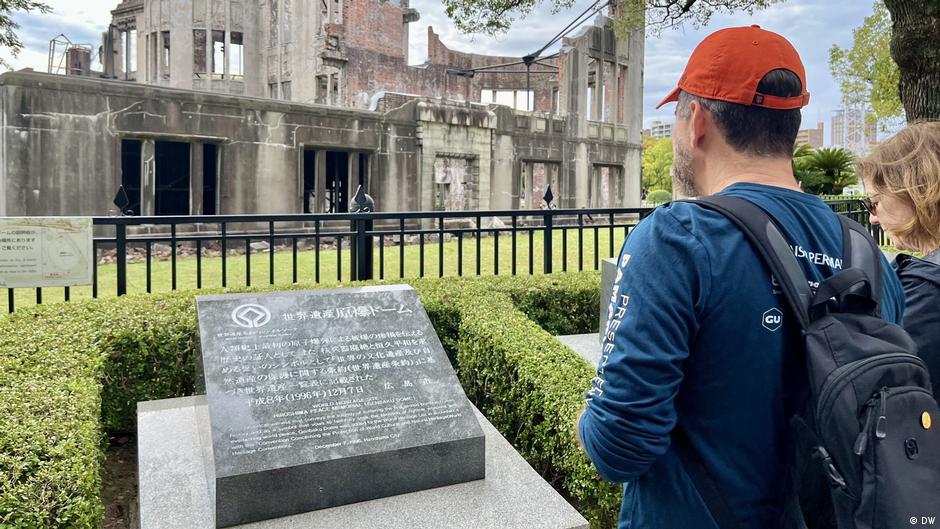


 3 sources
Morning Edition · Thursday, August 6, 2026Published at 1:31 AM EDT · New York
Hiroshima Marks 81 Years Since the Bombing as Japan Expands Its Military
Prime Minister Sanae Takaichi reaffirmed the three non-nuclear principles at a ceremony attended by representatives of 123 countries, while survivors averaging 86 years of age criticised the rearmament programme.
Japan marked the 81st anniversary of the atomic bombing of Hiroshima on Thursday with a ceremony at Peace Memorial Park attended by Prime Minister Sanae Takaichi and representatives of 123 countries, Xinhua reported. The register of victims now holds 353,639 names. About 91,000 survivors, known as hibakusha, remain alive in Japan, with an average age of 86 as of the end of March. Takaichi restated Japan's commitment to its three non-nuclear principles, which forbid possessing, producing or permitting the introduction of nuclear weapons, The Japan Times reported.
Survivors used the anniversary to object to the direction of Japanese defence policy. Deutsche Welle reported that hibakusha and campaigners argue the military buildup erodes the pacifist commitment written into Japan's post-war settlement. Tokyo has raised defence spending, loosened restrictions on weapons exports and widened the operational role of the Self-Defense Forces, citing risks from China, North Korea and Russia.
Writing from India, The Hindu argued that the weakening of rules-based restraints on the use of force makes a comprehensive ban on nuclear weapons more urgent rather than less. That view, common across the Global South, holds that the countries most exposed to a nuclear exchange have the least influence over the decision to conduct one.
The two positions inside Japan are not easily reconciled. A government that keeps the non-nuclear principles while expanding conventional forces and exporting weapons is choosing one form of deterrence over another, and Japanese public opinion has moved along with the security environment rather than ahead of it.
Part of a tracked trend
Indo-Pacific Arms Race Accelerates
Over the next 3-6 months a sharpening regional arms race drives Japan and its neighbors to expand militaries and export weapons—Tokyo moving to sell missiles—as maritime confrontations with China multiply and Asian rearmament gathers pace.
Veracity: Plausible
72/100- If true, who benefits
Takaichi's government gains from pairing a restated non-nuclear pledge with an expanding defence budget, Japanese and allied defence manufacturers gain from the export loosening, and Chinese state media gain a platform to present Japanese rearmament as the revival of a militarist past.
- The nuance
The ceremony details are confirmed by Xinhua and The Japan Times, but describing Takaichi as reaffirming the three non-nuclear principles omits that she committed to a "realistic approach" and has previously advocated reviewing the third principle, which forbids introducing nuclear weapons into Japan, and that her government is expected to revisit the principles in security documents due later this year.
An open-source-intelligence read of how likely this story is true with its real nuance, not a judgment of any outlet. It assesses the claim, weighing independent and adversarial reporting. How we label confidence.
What this means
Japan's rearmament is a fiscal commitment as much as a strategic one, and it lands on a government already managing the largest public debt-to-output ratio among developed economies while the Bank of Japan tries to normalise interest rates. Sustained defence spending increases the volume of Japanese government bonds that must be issued, which is one of the forces pushing long-dated yields up and the yen down. For the region, the loosening of export restrictions turns Japan into a supplier of missiles and naval equipment to neighbours who are also expanding, which broadens the market for the whole Indo-Pacific defence industry and hardens the arms competition that motivated the buildup.
Synthesized from: Deutsche Welle · The Hindu · Xinhua
Townsquare
Start a discussion in Townsquare.
More from this edition
- Shipping Industry Asks the United Nations to Block Hormuz Transit Fees as Reopening Deal Nears
- Two Israeli Reservists Killed in South Lebanon, the First Israeli Deaths Since the June Truce, as Rome Talks Break Off
- South Korea's Kospi Falls About 5 Percent as the Global Chip Selloff Reaches Asia
- Washington Has Repaid $100 Billion in Tariffs the Supreme Court Struck Down
- Bitcoin Holds Above $64,000 While Ether Trades Below What Holders Paid
- The Rhine Falls Toward Its Lowest Recorded Level, Raising Freight Costs Across German Industry
- Russia Says It Struck Two More Cargo Ships Near Odesa as the Black Sea Trade Route Comes Under Sustained Attack
Comments
0No comments yet.