← The Global Intelligence Brief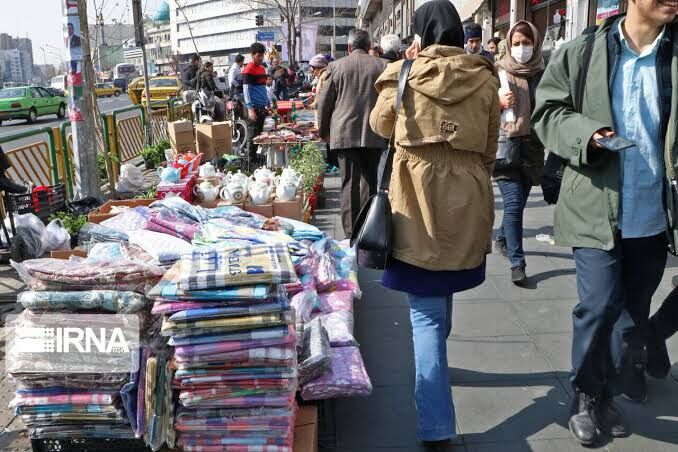


 3 sources
Morning Edition · Thursday, August 6, 2026Published at 1:15 AM EDT · New York
Iran and Oman Agree Hormuz Shipping Routes, and Brent Falls Toward $79
Tehran says the strait stays closed until the United States lifts its naval blockade, which leaves the price of crude tied to a condition neither side has met.
Brent crude futures fell about 0.5 percent to near $79.08 a barrel and West Texas Intermediate slipped to about $74.69 in early Thursday trading, as traders judged the odds that the Iran-Oman talks lead to a wider United States-Iran settlement and reopen the Strait of Hormuz after a five-month war.
Iranian officials said Tehran and Muscat have agreed the geographical coordinates of inbound and outbound shipping lanes, with a joint statement in final drafting. Iran has attached a condition. It will not open the strait to commercial traffic until Washington ends its naval blockade. The proposed arrangement would give Tehran more oversight of vessels transiting the channel than it held before the war, which is why the agreement functions as a bargaining position as much as a technical fix.
Inside Iran, the war has not ended economically. A survey of Tehran retail districts by the Islamic Republic News Agency (IRNA), the state news agency, found each trade reporting a different experience of sales through the fighting, the ceasefire and the negotiations, with shopkeepers on Shush and Fatemi streets describing weak demand well after the fighting ended.
The price indicates what the market expects. Brent below $80 implies traders expect the strait to reopen on some timetable. Every postponement of that timetable has so far restored part of the risk premium within days.
Part of a tracked trend
Hormuz Chokepoint Repricing
Recurring Gulf conflict forces energy exporters and importers to build costly workarounds around the Strait of Hormuz, permanently raising the risk premium embedded in Gulf trade and infrastructure.
Veracity: Corroborated
76/100- If true, who benefits
Tehran gains recognition of its authority over entry to the Gulf and a lever against the United States blockade, Oman gains standing as the indispensable mediator, and Asian and European refiners gain from any priced-in expectation of reopening.
- The nuance
The agreement on coordinates is sourced to Iran's foreign ministry and reported by Bloomberg and Euronews without an equivalent Omani confirmation, and the load-bearing detail is that the proposed route would give Tehran oversight of vessels entering the Gulf that it did not hold before the war, which is why United States Central Command has continued redirecting and boarding commercial ships rather than treating the arrangement as settled.
An open-source-intelligence read of how likely this story is true with its real nuance, not a judgment of any outlet. It assesses the claim, weighing independent and adversarial reporting. How we label confidence.
Synthesized from: The Hindu · Al Jazeera · IRNA (Farsi)
Townsquare
Start a discussion in Townsquare.
More from this edition
- Memory-Chip Selloff Spreads to Seoul, Driving the Kospi Down About 5 Percent
- Washington Has Refunded About $100 Billion of Tariffs Voided by the Supreme Court
- Bank of America Cuts Its Year-End Dollar-Yen Forecast to 149 After Record Tokyo Intervention
- Black Sea Drone War Reaches an American Fuel Pump as Indiana Declares an Energy Emergency
- Ares Shrinks a €1 Billion Private Credit Vehicle After Investors Rejected Its Pricing
- Gold Near $4,278 and Silver Above $62 While Bitcoin Sits Around $64,800
- Russia Puts a Ruble Figure on the Kursk Incursion as Sabotage Hits Its Drone Industry
Comments
0No comments yet.