← The Global Intelligence Brief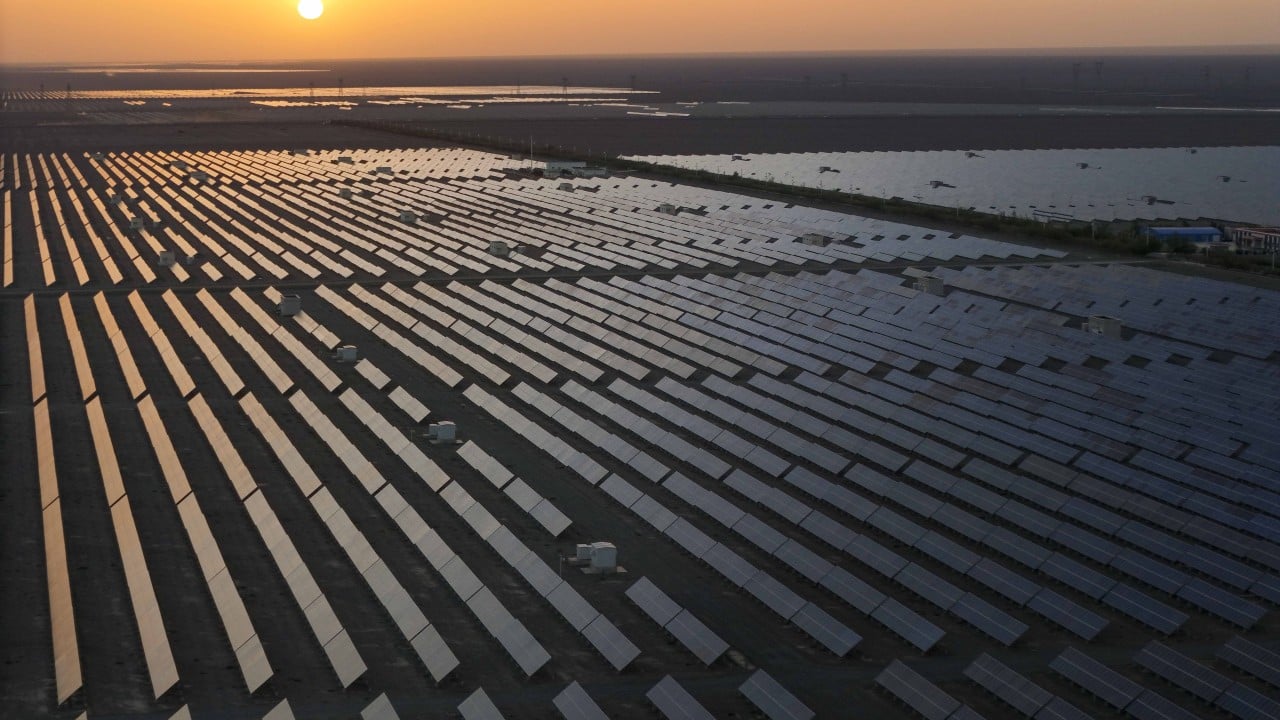
 2 sources
Morning Edition · Thursday, August 6, 2026Published at 1:15 AM EDT · New York
Chinese Provinces Run Their Own Trade Diplomacy Across Southeast Asia
A Hainan delegation signed cooperation agreements in Thailand and Indonesia while Guangzhou promotes a cross-border trade platform, and Beijing expands a solar buildout across the northern deserts.
An economic and trade delegation from Hainan province completed a five-day visit to Thailand and Indonesia, signing memorandums of understanding with local counterparts. Separately, Indonesia's state news agency carried a report on Guangzhou's Nansha district building a cross-border trade platform, produced after journalists from Asia-Pacific Economic Cooperation (APEC) member economies visited Guangdong.
Provincial delegations signing agreements abroad is not incidental activity. Chinese provinces compete for export volume and inbound investment, and Beijing has encouraged them to build direct commercial channels with Southeast Asian partners. The result is a dense network of subnational agreements that operates below the level of the trade disputes conducted between capitals.
The industrial base behind that trade is also expanding. In Inner Mongolia, China is enlarging its Great Solar Wall programme, installing generation capacity across the arid north as part of a decades-long effort against desertification. The panels serve two purposes at once, stabilising land and adding electricity supply for manufacturing.
Both developments point in the same direction. With weak domestic demand at home and tariff friction with the United States and Europe, China is deepening commercial ties with Global South markets and lowering its own input costs. Southeast Asian producers gain access to cheap Chinese capital goods and face competition from the same suppliers.
Part of a tracked trend
China Anchors a Parallel Bloc
China keeps deepening ties with neighbors and Global South states through high-level diplomacy, assembling a bloc that runs parallel to Western-led alliances and hardens a multipolar order.
Veracity: Plausible
71/100- If true, who benefits
Chinese provincial governments gain export volume and Beijing gains trade channels that sit below the level of capital-to-capital tariff disputes, while Southeast Asian host governments gain investment announcements they can present domestically.
- The nuance
The Hainan delegation and the Inner Mongolia solar buildout are documented, but the delegation concluded on July 25 rather than this week, the Nansha item originated from a Chinese-organized press visit and carries promotional framing, and memorandums of understanding record intent rather than committed trade or investment.
An open-source-intelligence read of how likely this story is true with its real nuance, not a judgment of any outlet. It assesses the claim, weighing independent and adversarial reporting. How we label confidence.
What this means
China is routing more of its export surplus through regional agreements that are harder for Western tariff policy to reach, because they are struck province to province and settle in regional supply chains rather than transatlantic ones. Southeast Asian manufacturers gain cheaper machinery and components and lose pricing power in the finished goods that compete with Chinese output. Cheap solar-fed electricity lowers Chinese industrial costs, which sustains the export price pressure that trading partners experience as imported disinflation.
Synthesized from: Antara · Antara (Nansha)
Townsquare
Start a discussion in Townsquare.
More from this edition
- Memory-Chip Selloff Spreads to Seoul, Driving the Kospi Down About 5 Percent
- Washington Has Refunded About $100 Billion of Tariffs Voided by the Supreme Court
- Iran and Oman Agree Hormuz Shipping Routes, and Brent Falls Toward $79
- Bank of America Cuts Its Year-End Dollar-Yen Forecast to 149 After Record Tokyo Intervention
- Black Sea Drone War Reaches an American Fuel Pump as Indiana Declares an Energy Emergency
- Ares Shrinks a €1 Billion Private Credit Vehicle After Investors Rejected Its Pricing
- Gold Near $4,278 and Silver Above $62 While Bitcoin Sits Around $64,800
- Russia Puts a Ruble Figure on the Kursk Incursion as Sabotage Hits Its Drone Industry
Comments
0No comments yet.