← The Global Intelligence Brief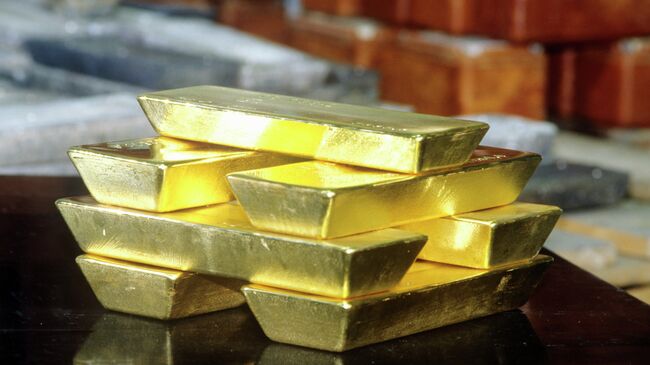

 2 sources
Morning Edition · Friday, August 7, 2026Published at 10:04 AM EDT · New York
Russia's Central Bank Cuts Gold Reserves for a Sixth Straight Month as World's Central Banks Keep Buying
Gold's share of Russia's international reserves fell to 41.5 percent from 43.6 percent, the sharpest monthly drop in 13 years, even as global central banks added roughly 41 tonnes of gold in May alone, according to figures cited by Russian financial media.
The Bank of Russia's physical gold holdings fell to 73.4 million troy ounces as of July 1, the lowest level since February 2020, according to Kommersant. The decline has now run for six consecutive months. Gold's share of Russia's total international reserves dropped to 41.5 percent from 43.6 percent the month before, which Kommersant described as the sharpest one-month fall in 13 years. RIA Novosti confirmed that the share of gold in reserves fell again in the latest reading.
This pattern runs opposite to the global trend. The World Gold Council reported that central banks worldwide added roughly 41 tonnes of gold to reserves in May alone, part of a multiyear move by governments, especially in the Global South, to diversify away from dollar-denominated assets. Russia's central bank cut its own holdings by about six tonnes that same month. Kommersant attributed the divergence to high military spending, sanctions that have frozen a large share of Russia's dollar and euro reserves since 2022, declining oil and gas revenue, and limited access to external borrowing, all of which have pushed Russian authorities to sell or convert gold domestically to raise cash.
What this means
Gold accumulation by central banks is usually read as evidence of a broad move away from dollar-based reserves, but Russia's case shows that shift is conditional on a country's fiscal position, not automatic. A state under sanctions and running large deficits ends up a forced seller of the same hard asset that healthier economies are buying, which means Moscow's war financing is now drawing down the one reserve asset that cannot be frozen by Western sanctions, a resource it will have less of if the conflict runs longer.
What to watch
- Whether Russia's gold reserves stabilize or keep falling in the second half of the year will show whether the central bank still has room to use gold as a financing buffer or is approaching a level it is unwilling to cross.
- The pace of central-bank gold buying reported by the World Gold Council each quarter indicates whether the broader dedollarization trend is accelerating even as one of its most prominent participants becomes a net seller.
Observations to monitor, not financial advice.
Synthesized from: RIA Novosti · Kommersant
Townsquare
Start a discussion in Townsquare.
More from this edition
- US Payrolls Fall 23,000 in July, Fed Rate-Hike Bets Collapse as Gold and Silver Jump
- Saudi Arabia, Turkey, and Pakistan Sign Mutual-Defense Pact in Mecca
- Yen Gives Back Nearly Half of Its Gains From This Week's Joint US-Japan Intervention
- Russia Reports Record Monthly Casualties as Zelenskyy Renews Long-Range Air Campaign
- Ukraine's Black Sea Grain Exports Halt Completely After Russian Strikes on Ports
- Rhine and Danube Hit Record Lows, Threatening European Shipping and Industry
- Volkswagen's Controlling Families Demand Faster Overhaul to Counter Chinese Rivals
- China's Cambricon Posts 108 Percent Revenue Surge as Beijing Pushes Domestic AI Chips
Comments
0No comments yet.