← The Global Intelligence Brief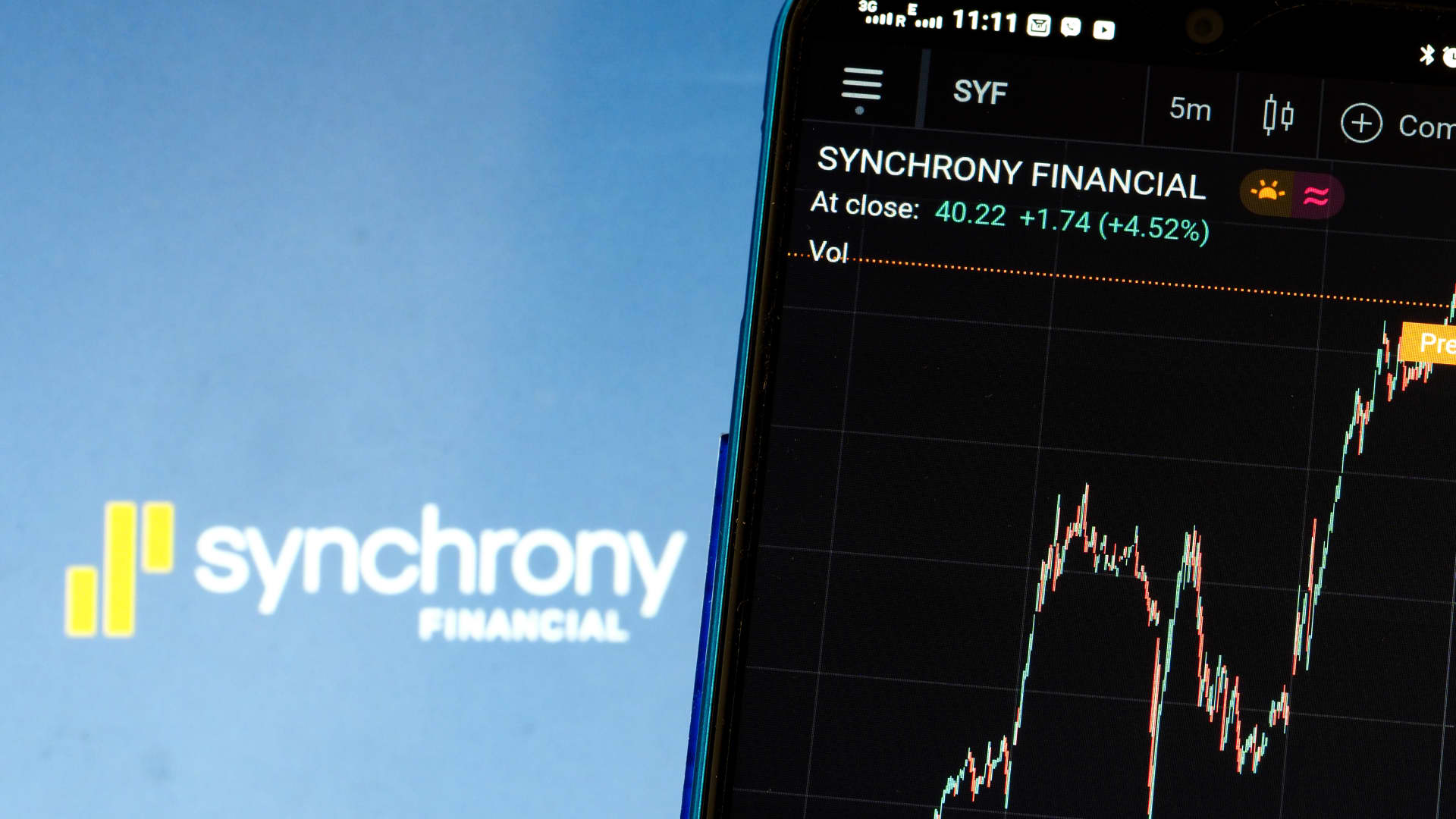

 2 sources
Morning Edition · Tuesday, August 18, 2026Published at 1:17 AM EDT · New York
Synchrony Puts Its Store Cards Inside ChatGPT as AI Agents Gain Spending Authority
The lender behind the Amazon, Walmart and Lowe's cards is also in talks with Anthropic and Google to embed financing in their assistants.
Synchrony Financial, which issues store-branded credit cards for Amazon, Walmart and Lowe's, announced an enterprise collaboration with OpenAI that will let its customers browse offers, promotional financing and rewards inside ChatGPT and complete purchases there. The company said the work is at an early stage. It has published a plug-in in the ChatGPT directory and is deploying OpenAI models internally to shorten product development cycles.
The move is one of the first by a large American consumer lender to place financing, payments and loyalty programmes directly inside a chatbot. Synchrony has said it is in parallel discussions with Anthropic and Google about embedding its cards in their assistants, which indicates the company is treating assistant platforms as a distribution channel it cannot afford to be absent from rather than as a single exclusive partnership.
The commercial logic arrives ahead of the security work. The Financial Times argued this week that recent cyber attacks conducted with the help of AI systems reflect what the technology was trained to do rather than any loss of control by their makers, and that the safeguards built around these models are not keeping pace with their capabilities. Granting an assistant the authority to initiate a payment converts a research problem into a financial one, because the same instruction-following behaviour that makes an agent useful also makes it manipulable.
For Synchrony the calculation is defensive as much as offensive. If shoppers begin their search inside an assistant rather than a retailer's website, the card that is not present at that moment loses the transaction and the interest income attached to it.
What this means
Payment distribution is being rebuilt around AI assistants, and the firms that own the assistant layer collect a position between the lender and the customer that retailers and card networks previously held. Card issuers that fail to integrate lose transaction volume and the interest income it generates, while OpenAI and its competitors gain leverage over consumer finance without holding credit risk. The exposure runs the other way through fraud: an agent authorised to spend expands the attack surface at exactly the point where losses are measured in cash.
What to watch
- Whether a major card network or bank regulator issues rules on who bears the loss when an AI agent authorises a fraudulent purchase, since that allocation determines how fast the model spreads.
- Announcements from other large issuers about assistant integrations, which would show whether Synchrony's move becomes the industry standard within months.
- The first documented case of an assistant-initiated payment obtained through prompt manipulation, because it would set the practical security bar for everyone building this.
Observations to monitor, not financial advice.
Synthesized from: CNBC · Financial Times
Townsquare
Start a discussion in Townsquare.
More from this edition
- Thirty-Year Treasury Yield Reaches 5.31 Percent, Highest Since 2007, as Oil Climbs
- Trump's 50 Percent Tariffs on $20 Billion of Canadian Goods Take Effect in First Use of Section 338
- Trump Threatens to Bomb Oman as Talks to Reopen the Strait of Hormuz Stall
- Trump Orders Joint Drills With South Korea Cut, Citing His Relationship With Kim Jong Un
- China's Zhipu Claims Parity With Western Models on Cyber Defence and Publishes Its Own Standard
- Global Private Equity Stops Writing New Equity Cheques in China
- Bitcoin Holds Above $64,000 as Miners Divert a Fifth of Their Computing Power to AI
Comments
0No comments yet.