← The Global Intelligence Brief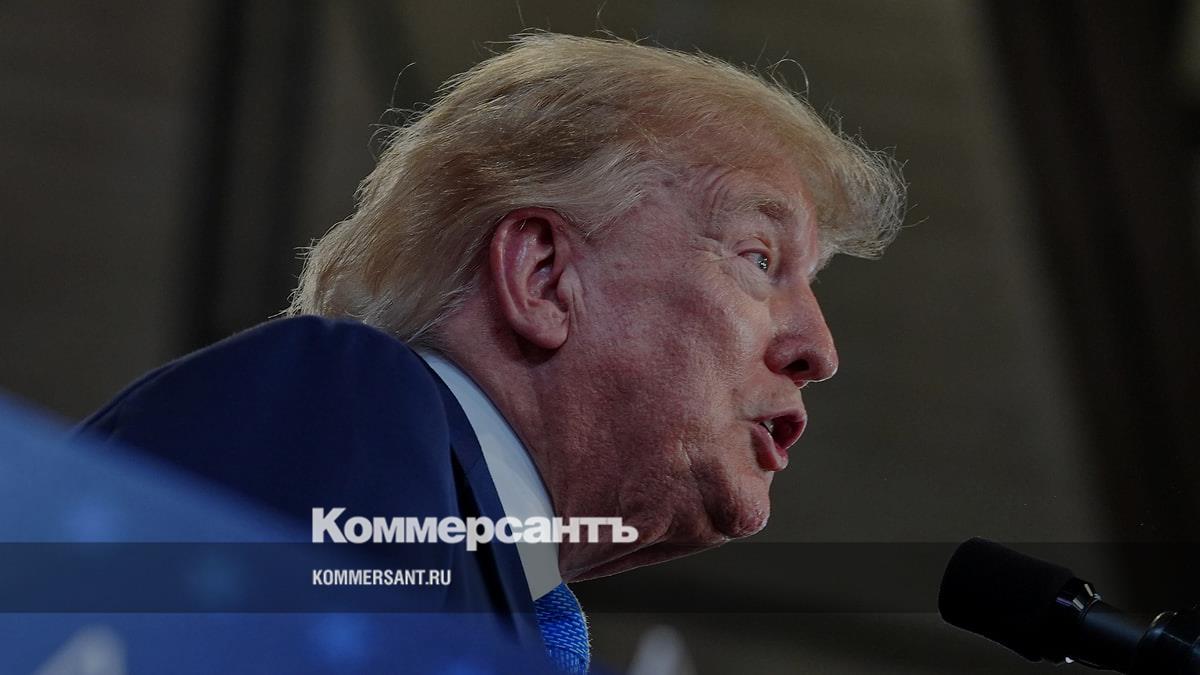

 2 sources
Morning Edition · Tuesday, August 18, 2026Published at 1:17 AM EDT · New York
Trump Threatens to Bomb Oman as Talks to Reopen the Strait of Hormuz Stall
Shipping through the waterway remains in the single digits per day, against more than 130 before the war, and a bulk carrier was struck by a projectile on Tuesday.
The Russian business daily Kommersant, citing The Wall Street Journal, reported that the deadlock in talks between Oman and Iran on restoring shipping through the Strait of Hormuz has angered President Donald Trump, who said he would bomb Oman. Trump made the threat in an interview with Fox News, telling the network that if Oman gets in the way of a deal, the United States would strike it. He also declined to extend the ceasefire with Iran as the 60-day negotiating period ended.
Oman and Iran have been working on the specifics of new shipping lanes through the strait, through which 34 percent of the world's seaborne crude passed in 2025. Tehran has said the waterway will not reopen until its conditions are met. Reuters reported that Iranian officials have signalled a shift to what they describe as a fully offensive posture.
The risk to commercial traffic is not theoretical. The United Kingdom Maritime Trade Operations (UKMTO) organisation, which tracks shipping incidents in the region, said a vessel transiting outbound was struck by an unknown projectile, suffering engine room damage and one crew casualty, with the Omani coast guard assisting the remaining crew. Crossings of the strait are still in the single digits per day, compared with more than 130 before the war.
Turkey has kept close contact with Washington, Tehran and the mediators Pakistan and Qatar, acting as an intermediary between the parties, according to The Hindu's running coverage. Globes, reporting for Israeli traders before Tuesday's open, wrote that the escalation between the United States and Iran pulled Asian bourses lower while oil prices continued to climb.
Part of a tracked trend
Hormuz Chokepoint Repricing
Recurring Gulf conflict forces energy exporters and importers to build costly workarounds around the Strait of Hormuz, permanently raising the risk premium embedded in Gulf trade and infrastructure.
Veracity: Corroborated
86/100- If true, who benefits
Washington gains negotiating leverage by naming the mediator as an obstacle, and oil producers outside the Gulf, tanker owners and marine insurers collect the risk premium that every incident in the waterway adds to Gulf cargoes.
- The nuance
The threat itself is on the record with Trump telling Fox News the United States would strike Oman if it "gets in the way" (Washington Post, NBC News), but the "stalled talks" framing is disputed, because Iran's foreign ministry says Tehran and Muscat agreed a shipping map that routes inbound traffic along the Iranian coast under Iranian control with a service fee, which suggests the objection is to the terms rather than to a deadlock, and the projectile that hit the vessel remains unattributed.
An open-source-intelligence read of how likely this story is true with its real nuance, not a judgment of any outlet. It assesses the claim, weighing independent and adversarial reporting. How we label confidence.
Synthesized from: Kommersant · Globes (Hebrew)
Townsquare
Start a discussion in Townsquare.
More from this edition
- Thirty-Year Treasury Yield Reaches 5.31 Percent, Highest Since 2007, as Oil Climbs
- Trump's 50 Percent Tariffs on $20 Billion of Canadian Goods Take Effect in First Use of Section 338
- Trump Orders Joint Drills With South Korea Cut, Citing His Relationship With Kim Jong Un
- Synchrony Puts Its Store Cards Inside ChatGPT as AI Agents Gain Spending Authority
- China's Zhipu Claims Parity With Western Models on Cyber Defence and Publishes Its Own Standard
- Global Private Equity Stops Writing New Equity Cheques in China
- Bitcoin Holds Above $64,000 as Miners Divert a Fifth of Their Computing Power to AI
Comments
0No comments yet.