← The Global Intelligence Brief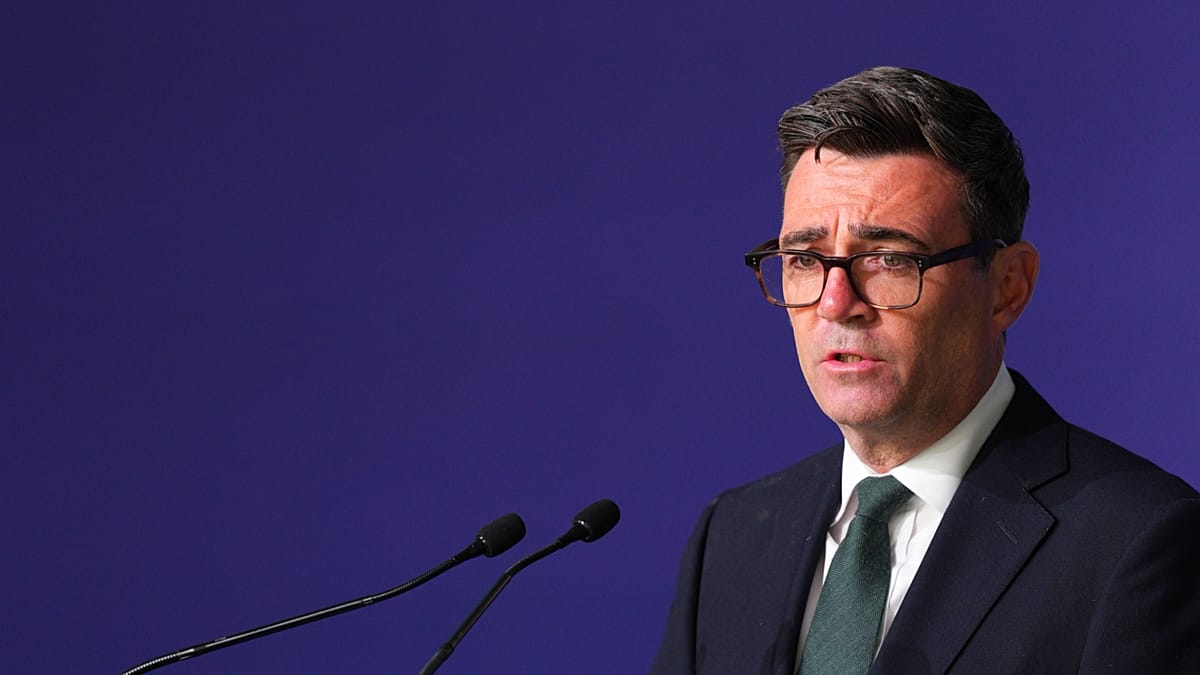


 3 sources
Morning Edition · Monday, August 24, 2026UpdatedPublished at 7:37 AM EDT · New York
Britain's New Prime Minister Goes to Kyiv as Europe Co-Chairs a Meeting Washington Is Not Leading
Andy Burnham used a Kyiv meeting of the Coalition of the Willing, co-chaired with Emmanuel Macron and Friedrich Merz, to unveil British backing for assembling long-range missiles inside Ukraine, while Turkish sources say no one has asked to restart the Istanbul negotiating track.
Updated at 7:37 AM EDT
Burnham's Kyiv visit produced a concrete outcome beyond a restated pledge: UK approval for MBDA to share classified SCALP missile component data so Ukraine and France can build local assembly lines.
Andy Burnham made Kyiv his first foreign destination as United Kingdom prime minister. He co-chaired a meeting of the Coalition of the Willing there on Monday with French President Emmanuel Macron and German Chancellor Friedrich Merz, Euronews reported, and restated British support for Ukraine.
At the meeting, Burnham went beyond restating support. The British government approved disclosure by MBDA, the joint European missile manufacturer, of classified information on British-made components of the SCALP missile, known in the United Kingdom as Storm Shadow, so that Ukraine and France can establish local assembly lines, CNN reported and ITV News reported. Paris and Kyiv intend to have a Ukrainian production line for the missile running by the end of the year, though CNN reported that scaling up output could take several years even with the disclosure in place. The coalition's Monday session, held on the 35th anniversary of Ukrainian independence, also covered reducing Russia's income from its shadow fleet of tankers and a Ukrainian request for additional air-defence interceptors.
The meeting's significance lies as much in who is chairing it as in its agenda. Three European leaders are convening on Ukrainian soil to organise support that Washington previously assembled, at a moment when the United States is reducing its military presence in Europe.
Diplomatic channels remain closed. A source told RIA Novosti that Turkey has received no requests to resume the Istanbul talks, the format that produced the last direct Russian-Ukrainian contacts. TASS separately carried commentary from Crimea questioning whether external mediation of the kind proposed by María Fernanda Espinosa Garcés, a candidate for United Nations secretary-general, could end the war. Espinosa Garcés has raised Ukrainian non-alignment with the North Atlantic Treaty Organization (NATO) as a possible settlement term. Moscow's public position treats alliance membership as the core issue and treats European-led formats as parties to the conflict rather than mediators.
Europe is therefore financing and coordinating a war effort, now extending to the transfer of missile-production technology, while the negotiating track sits idle, an arrangement that converts Ukraine support from an episodic aid question into a permanent line in European budgets.
Veracity: Plausible
74/100- If true, who benefits
European defence manufacturers gain order flow, Burnham gains a foreign-policy debut, Moscow gains from any framing that casts European capitals as combatants rather than mediators, and Washington gains cover for reducing its own commitment.
- The nuance
The visit and the Coalition of the Willing meeting are confirmed by the British government itself, but Macron joined by video link rather than in person, and the claim that Turkey has received no request to revive the Istanbul track comes from a single unnamed source quoted by Russian state media, which is the party with the clearest interest in portraying the negotiating channel as closed by Kyiv rather than by Moscow.
An open-source-intelligence read of how likely this story is true with its real nuance, not a judgment of any outlet. It assesses the claim, weighing independent and adversarial reporting. How we label confidence.
What this means
Synthesized from: Euronews · RIA Novosti · TASS
Townsquare
Start a discussion in Townsquare.
More from this edition
- Treasury's Doubled Buyback Fails to Pull Down Long Yields, and Money Moves to Hard Assets
- Bitcoin Holds Above $77,000 After Its Largest Weekly Gain in Two Years
- Washington Names India in a Tariff-Evasion Crackdown as Delhi's Security Adviser Lands in Beijing
- US Sanctions Iran's Shipping, Oil and Gold Links as Tehran Threatens to Seize Ships in Hormuz
- Ukraine Hits Russian E-Commerce Warehouses for a Third Night as Moscow Strikes Odesa's Port
- Asian Technology Shares Fall as Alibaba Sells $10.2 Billion of Stock at a Discount
- Syria and Israel Hold US-Mediated Talks in Jordan as Pakistan's Army Chief Travels to Tehran
Comments
0No comments yet.