← The Global Intelligence Brief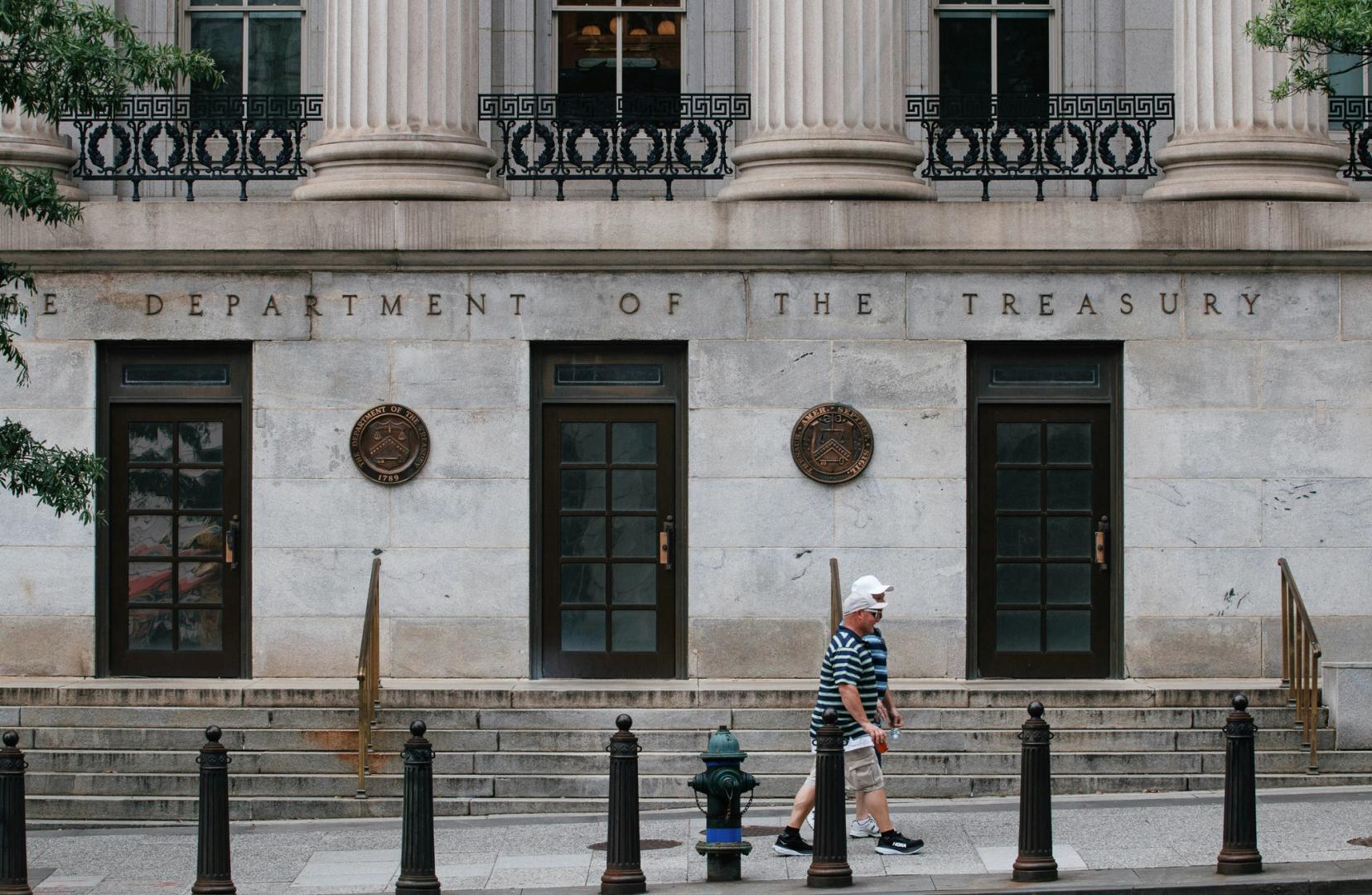

 3 sources
Morning Edition · Monday, August 24, 2026Published at 1:55 AM EDT · New York
Treasury's Doubled Buyback Fails to Pull Down Long Yields, and Money Moves to Hard Assets
The 30-year Treasury yield sits near 5.25 percent despite Treasury Secretary Scott Bessent doubling long-end repurchases to $4 billion per operation, and Tokyo is increasingly discussed as a partner facing the same bond market pressure.
United States Treasury Secretary Scott Bessent set out to lower long-term borrowing costs. He doubled the size of the government's long-dated buyback operations from $2 billion to at least $4 billion, covering 10-to-20-year and 20-to-30-year securities, with the larger operations effective from 9 September. The immediate reaction went the other way from the one he wanted. CoinDesk reports that the announcement did far more for risk assets than for the yield curve.
The 30-year yield had touched 5.337 percent, a level CNBC reported as its highest since 2007, and fell back to 5.189 percent immediately after the news before settling near 5.25 percent in Asian hours on Monday, with the 10-year around 4.71 percent. The Dow Jones Industrial Average fell roughly 700 points on the day the plan first landed.
A buyback changes the maturity profile of federal debt. It does not change the deficit that creates the debt, and the long end is pricing that distinction. Investors read a larger repurchase programme as an official commitment to absorb duration, which is a liquidity signal rather than a fiscal correction, and capital moved toward assets that cannot be issued at will.
In Tokyo, The Japan Times reports that analysts read Bessent's move as a possible prelude to closer Japan-United States coordination, with both governments facing long-term bond markets that are demanding higher compensation for their fiscal deficits. Ray Dalio, the founder of Bridgewater Associates, told CoinDesk that the recent Treasury-market stress fits his long-standing debt-crisis framework.
Part of a tracked trend
The Long-End Revolt
Governments will keep reaching for balance-sheet tools to suppress long-term yields, and bond markets will keep repricing duration higher anyway, so each intervention transfers demand into scarce assets instead of lowering borrowing costs.
What this means
The long end of the Treasury curve is now setting the price of United States fiscal policy rather than following it. Every failed attempt to suppress the 30-year yield raises the government's future interest bill, tightens conditions for mortgage and corporate borrowers priced off long rates, and pushes marginal capital toward gold, bitcoin and other assets whose supply is not a policy variable. Pension funds, insurers and foreign official holders that hold long-duration Treasuries absorb the mark-to-market loss.
What to watch
- Whether the 9 September buyback operation draws heavy participation at the long end, which would show dealers are eager to hand duration back to the government rather than hold it.
- Japanese Government Bond yields and any joint statement on fiscal discipline from Tokyo and Washington, since coordinated messaging would signal both treasuries see the same buyer strike.
- The next 30-year Treasury auction's bid-to-cover ratio, a direct read on whether private demand returns without official support.
Observations to monitor, not financial advice.
Synthesized from: CoinDesk · The Japan Times · CoinDesk (Dalio interview)
Townsquare
Start a discussion in Townsquare.
More from this edition
- Bitcoin Holds Above $77,000 After Its Largest Weekly Gain in Two Years
- Washington Names India in a Tariff-Evasion Crackdown as Delhi's Security Adviser Lands in Beijing
- US Sanctions Iran's Shipping, Oil and Gold Links as Tehran Threatens to Seize Ships in Hormuz
- Ukraine Hits Russian E-Commerce Warehouses for a Third Night as Moscow Strikes Odesa's Port
- Britain's New Prime Minister Goes to Kyiv as Europe Co-Chairs a Meeting Washington Is Not Leading
- Asian Technology Shares Fall as Alibaba Sells $10.2 Billion of Stock at a Discount
- Syria and Israel Hold US-Mediated Talks in Jordan as Pakistan's Army Chief Travels to Tehran
Comments
2Aug 24, 6:15 AM · edited
At $4 billion per operation, buybacks retire a fraction of the duration a single 30 year auction adds to the float, so long yields will not fall durably unless Treasury also cuts long end auction sizes.
Aug 24, 2:01 PM · edited
Tokyo named as a partner under the same thirty year pressure converts a domestic buyback story into a coordinated sovereign intervention question, which $4B per operation cannot answer.