← The Global Intelligence Brief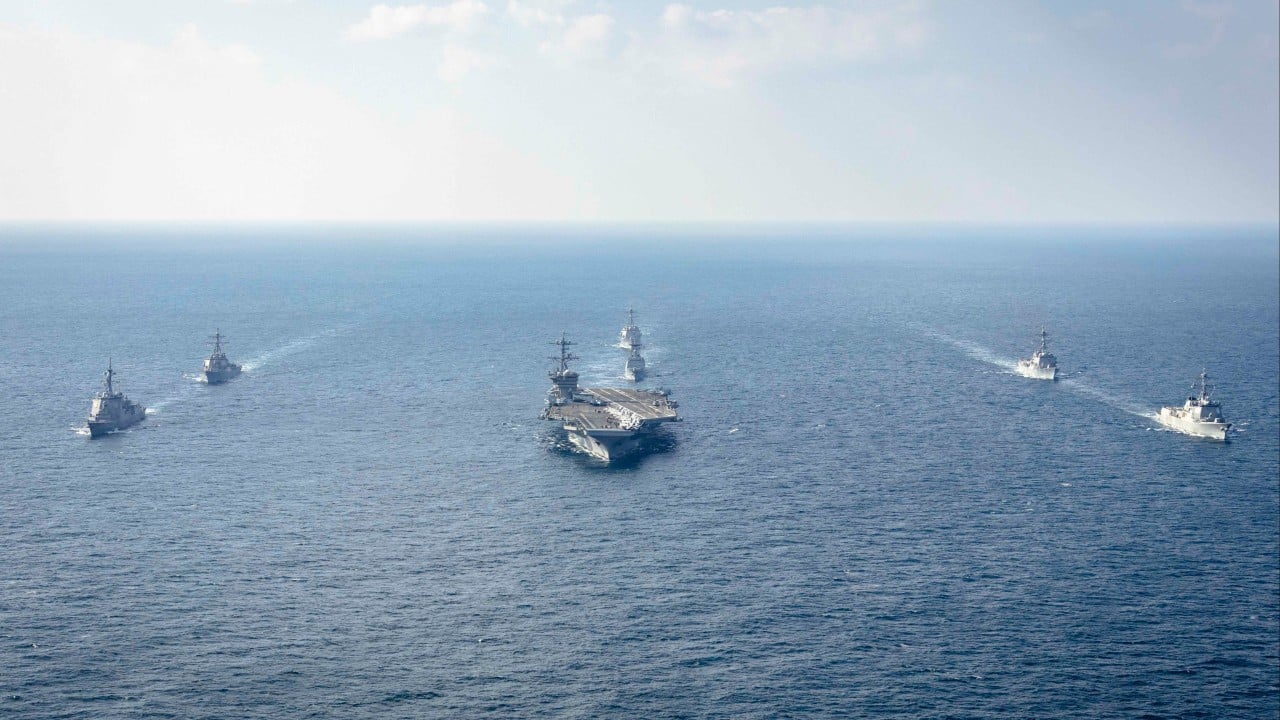
 1 source
Morning Edition · Friday, August 28, 2026Published at 1:07 AM EDT · New York
South Korea, Japan and the United States Will Hold Freedom Edge Drills in September Despite Scaled-Back Exercises
The trilateral exercise runs from 7 to 11 September near Jeju Island, two weeks after Washington and Seoul halved their bilateral Ulchi Freedom Shield drills at President Trump's request.
South Korea said on Friday that it will hold the Freedom Edge exercise with the United States and Japan in early September, the South China Morning Post reported. The Korea Herald and Korea Times put the dates at 7 to 11 September, in international waters east and south of Jeju Island, with the exercise focused on North Korea's nuclear and missile forces.
The timing is the point. Washington and Seoul cut their bilateral Ulchi Freedom Shield exercise by half last week after President Donald Trump said large-scale drills sent what he called an inappropriate and hostile message to Pyongyang, part of his effort to restart direct talks with Kim Jong-un. The trilateral drill proceeds unchanged, US News reported.
What is being reduced is the American bilateral commitment. What is being maintained is the arrangement between South Korea and Japan, two states that spent decades avoiding military cooperation with each other. Seoul and Tokyo are keeping that cooperation in place while Washington adjusts its own posture for diplomatic reasons.
North Korea has consistently described these exercises as rehearsals for invasion and has responded to previous rounds with missile tests. It has not yet responded to the September announcement.
Part of a tracked trend
Indo-Pacific Arms Race Accelerates
Over the next 3-6 months a sharpening regional arms race drives Japan and its neighbors to expand militaries and export weapons—Tokyo moving to sell missiles—as maritime confrontations with China multiply and Asian rearmament gathers pace.
Veracity: Corroborated
92/100- If true, who benefits
South Korean and Japanese defence manufacturers and their budget advocates gain from evidence that regional integration continues without Washington, and Pyongyang gains a talking point that the reduction in bilateral drills was cosmetic.
- The nuance
The article omits that President Trump's stated reasons for shortening Ulchi Freedom Shield included Seoul's refusal to assist in the Iran war, not only outreach to Kim Jong-un, and no side has published the scale of Freedom Edge, so "unchanged" rests on official statements rather than on comparable figures.
An open-source-intelligence read of how likely this story is true with its real nuance, not a judgment of any outlet. It assesses the claim, weighing independent and adversarial reporting. How we label confidence.
What this means
The pattern that matters for capital is regional partners maintaining defence integration even as the American bilateral commitment moves with the president's diplomacy. That direction supports sustained defence procurement budgets in Seoul and Tokyo regardless of what Washington does with North Korea, and it supports the South Korean and Japanese defence manufacturers now exporting into that demand. The risk sits with shipping and semiconductor supply chains around the Korean peninsula, which are exposed to any North Korean response to the September drills.
Source: South China Morning Post
Townsquare
Start a discussion in Townsquare.
More from this edition
- Russia Fires 598 Drones and 31 Missiles at Ukraine, Killing at Least 25 in Kyiv
- Warsh Delivers His First Jackson Hole Speech With US Profits at a Postwar High
- Venezuela Examines Leaving OPEC as Washington Negotiates Long-Term Access to Its Oilfields
- Qatar's Prime Minister Presses Mediation in Tehran as Trump Says No Talks Are Under Way
- Seven French Presidential Candidates Argue Over Debt and Pensions in First Debate
- Nepal and Tibet Flood Toll Passes 460 With More Than 1,400 Missing as a New Lake Threatens Rescuers
- Ripple-Backed XRP Treasury Company Clears the SEC and Sets a September 30 Shareholder Vote
Comments
0No comments yet.