← The Global Intelligence Brief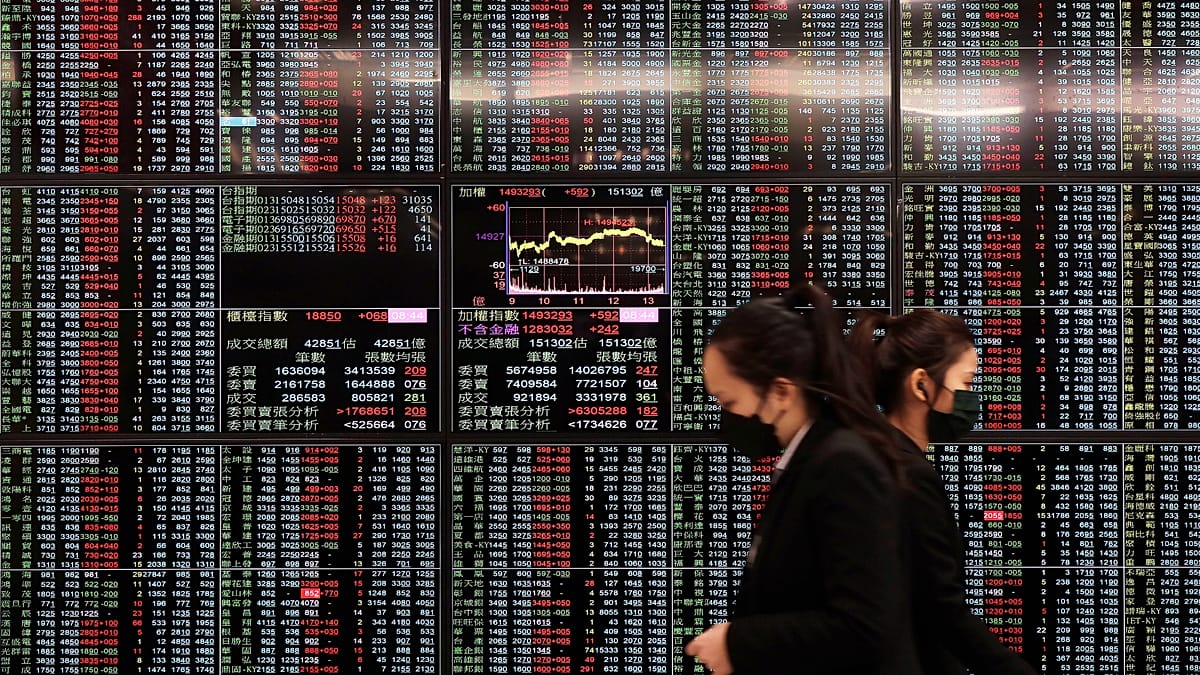

 2 sources
Morning Edition · Wednesday, September 2, 2026Published at 1:13 AM EDT · New York
Taiwanese Households Are Borrowing Against Their Homes to Buy Artificial-Intelligence Shares
Retail investors across Asia are increasing leverage and consolidating holdings into a narrow set of technology names as the same trade drives index gains.
People across Taiwan are taking out loans and remortgaging their homes to buy into a stock boom driven by artificial intelligence, and not everyone is coming out ahead financially, Euronews reported. Taiwan sits at the centre of the global semiconductor supply chain, which makes its domestic equity market unusually exposed to a single investment theme.
Retail engagement is rising elsewhere in Asia in less leveraged forms. Indian financial media is now running practical guidance on the mechanics of holding funds, including whether investors should keep mutual fund units in a paper statement of account or in electronic, dematerialised form, the kind of coverage that appears when large numbers of first-time savers are entering markets.
The Taiwanese case is the one that carries balance-sheet risk. Borrowing against a house to buy equities converts a market decline into a solvency problem for the household, because the debt is fixed and the collateral is not. That is the structure that turns an ordinary correction into forced selling, since margin calls arrive precisely when prices are falling and liquidity is thin.
The Austrian school description of this sequence is straightforward. Cheap credit changes the relative price of waiting, savers shift into whatever asset is rising fastest in search of yield, and capital concentrates in one sector until the return on the underlying investment is tested. The test in this cycle is whether spending on artificial-intelligence infrastructure produces the earnings it has been priced for. Tuesday's session, in which technology shares fell 1.6 percent as measured by the sector fund that tracks them while other sectors rose, showed how quickly that concentration can reverse when interest rates move.
Part of a tracked trend
AI Trade Derating
Concentration of index gains in a few AI-linked chip and platform stocks makes global equities recurrently vulnerable to sharp, correlated drawdowns whenever investors question the return on AI spending.
What this means
Household leverage against property to buy a single equity theme links Taiwan's housing market to the price of semiconductor shares, so a decline in artificial-intelligence-linked shares transmits into consumer balance sheets and, through them, into domestic banks. Taiwanese lenders holding mortgage collateral and brokerages extending margin carry the credit exposure, and index investors globally carry the concentration exposure, because the same small group of chip and platform companies drives a large share of benchmark returns.
What to watch
- Margin lending balances at Taiwanese brokerages, because a rising balance during a falling market is the condition under which forced selling begins.
- Capital spending guidance from the largest buyers of artificial-intelligence chips, since the earnings case for the whole trade rests on those orders continuing.
- Whether technology shares keep falling on days when bond yields rise, which would confirm the sector is being valued as a long-duration asset rather than on current profits.
Observations to monitor, not financial advice.
Synthesized from: Euronews · The Economic Times
Townsquare
Start a discussion in Townsquare.
More from this edition
- Renewed US Strikes on Iran Push Oil Above $90 and Send Treasury Yields to Their Highest Since January 2025
- Iran Says 11 Died in American Strikes and Attacks US Assets Across the Region
- Bitcoin Holds Near $78,000 While Gold Falls 1.9 Percent
- Bank of Japan Governor Ueda Says a Rate Increase Is on the Table at Every Meeting, Including September
- Xi, Putin and Iran's Leadership Meet in Bishkek as Europe Confronts Washington at the Group of 20
- Zelensky Says Ukrainian Drones Will Keep Russian Airspace Unsafe as Moscow Widens Aid to Damaged Businesses
- Ukraine's External State Debt Has Risen 25-Fold in 15 Years as Pakistan's Senate Pushes Back on IMF Conditions
Comments
0No comments yet.