← The Global Intelligence Brief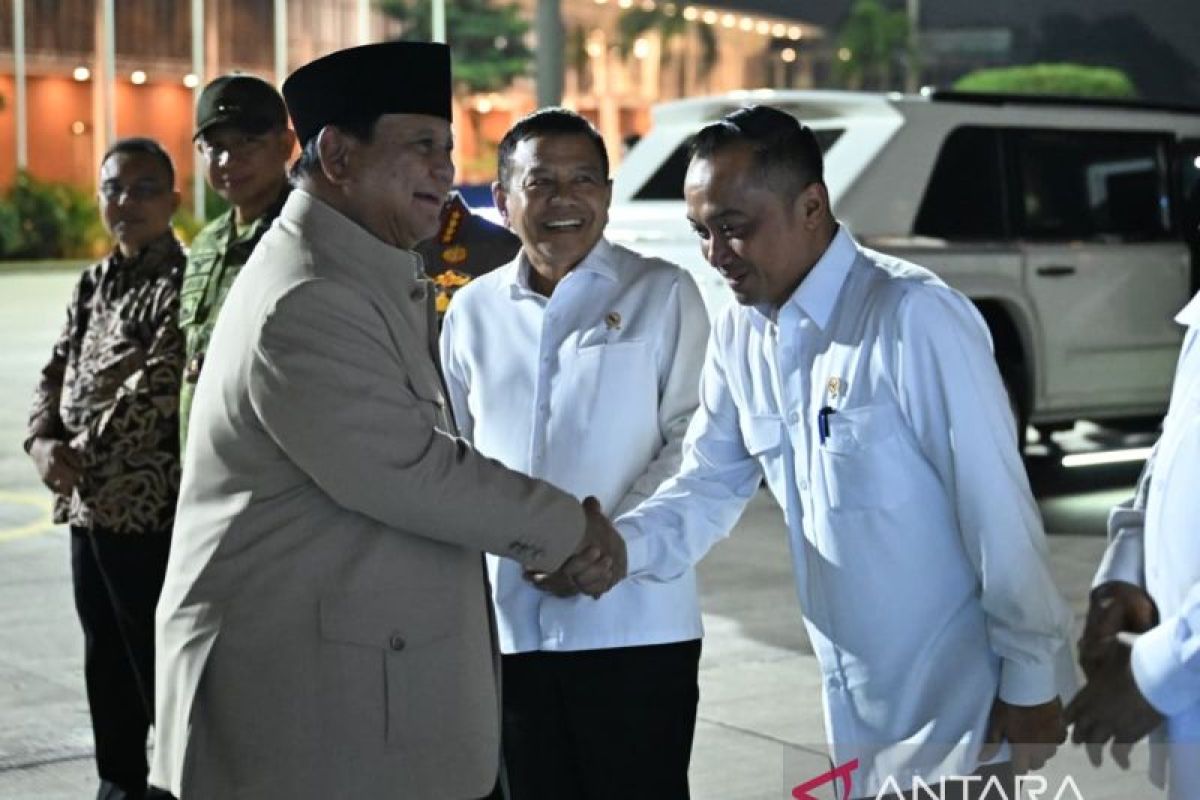


 3 sources
Morning Edition · Wednesday, September 2, 2026Published at 1:13 AM EDT · New York
Xi, Putin and Iran's Leadership Meet in Bishkek as Europe Confronts Washington at the Group of 20
The Shanghai Cooperation Organisation named Lahore its tourism and cultural capital for 2026-27, and Indonesia's president will travel to Russia as guest of honour at an economic forum this week.
Two summits took place at the same time this week and offered contrasting views of who organizes the global economy. The New York Times reported that Chinese leader Xi Jinping met with the leaders of Russia and Iran while European governments challenged the Trump administration at the Group of 20 meeting, a split that reflects a changing world order.
The Shanghai Cooperation Organisation held the 26th meeting of its Council of Heads of State in Bishkek, the Kyrgyz capital, on 31 August and 1 September, marking the organisation's 25th year. Its ten members are China, Russia, India, Pakistan, Iran, Belarus, Kazakhstan, Kyrgyzstan, Tajikistan and Uzbekistan. At that meeting the organisation named Lahore its tourism and cultural capital for 2026-27, a symbolic decision that Pakistan's government has treated as recognition.
The membership list is the substance. The organisation includes the world's second largest economy, its largest energy exporter under sanctions, and an Iran currently exchanging strikes with the United States. That makes it a forum where sanctioned states and their trading partners participate together. Antara reported that Indonesian President Prabowo Subianto will attend the 11th Eastern Economic Forum in Vladivostok as guest of honour, which places the largest economy in Southeast Asia at a Russian investment event during an active sanctions regime.
None of this amounts to a rival monetary system. What it amounts to is the political preparation for one: settlement arrangements, energy contracts and transport links negotiated among states that have concluded the dollar-clearing system carries a policy risk they would rather not run. That process unfolds over years rather than in a single news cycle, and each summit adds another arrangement to it.
Part of a tracked trend
China Anchors a Parallel Bloc
China keeps deepening ties with neighbors and Global South states through high-level diplomacy, assembling a bloc that runs parallel to Western-led alliances and hardens a multipolar order.
Veracity: Corroborated
88/100- If true, who benefits
Moscow and Tehran gain from being photographed inside a functioning multilateral forum while under sanctions, Beijing gains a standing platform it convenes, and intermediary economies such as Indonesia, India, Pakistan and the Gulf states collect the margin for handling trade that avoids dollar clearing.
- The nuance
The summit facts hold up, including the Bishkek Declaration adopted on 1 September and Lahore's designation as tourism and cultural capital, but the dedollarisation reading is the article's inference rather than a summit outcome, the declaration contains no binding payment mechanism, and the European objection took place at a Group of 20 finance meeting in Asheville where ministers refused a photograph with Russia's finance minister, not at the December leaders' summit.
An open-source-intelligence read of how likely this story is true with its real nuance, not a judgment of any outlet. It assesses the claim, weighing independent and adversarial reporting. How we label confidence.
Synthesized from: The New York Times · Dawn · Antara
Townsquare
Start a discussion in Townsquare.
More from this edition
- Renewed US Strikes on Iran Push Oil Above $90 and Send Treasury Yields to Their Highest Since January 2025
- Iran Says 11 Died in American Strikes and Attacks US Assets Across the Region
- Bitcoin Holds Near $78,000 While Gold Falls 1.9 Percent
- Bank of Japan Governor Ueda Says a Rate Increase Is on the Table at Every Meeting, Including September
- Zelensky Says Ukrainian Drones Will Keep Russian Airspace Unsafe as Moscow Widens Aid to Damaged Businesses
- Taiwanese Households Are Borrowing Against Their Homes to Buy Artificial-Intelligence Shares
- Ukraine's External State Debt Has Risen 25-Fold in 15 Years as Pakistan's Senate Pushes Back on IMF Conditions
Comments
1Sep 2, 5:13 AM · edited
Indonesia's president travels to Russia as guest of honour at an economic forum while European governments challenge Washington at G20, sustaining active ties with both blocs in the same week.