← The Global Intelligence Brief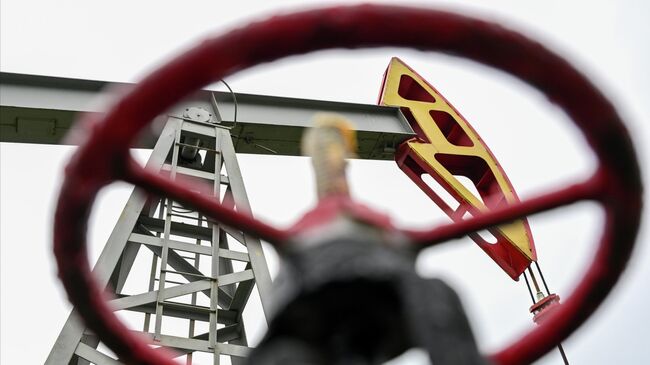


 3 sources
Morning Edition · Wednesday, September 2, 2026Published at 1:13 AM EDT · New York
Renewed US Strikes on Iran Push Oil Above $90 and Send Treasury Yields to Their Highest Since January 2025
Traders raised the odds of a Federal Reserve rate increase this month above 65 percent, and gold fell 1.9 percent even as an energy supply shock built.
A new round of American strikes on Iran, and Iranian retaliation against United States assets across the Middle East, affected every major asset market on Tuesday. The effect ran through inflation expectations rather than through risk aversion.
The Financial Times reported that the escalation pushed oil prices higher and drove Treasury yields to the day's highs as investors positioned for further inflation. Russia's RIA Novosti described the same move from the producer side, attributing the rise in crude directly to the new escalation between Washington and Tehran. The Hindu's running coverage reported that Iran said 11 people died in the American strikes on its territory and that Tehran continued attacks on American interests around the region.
The market moves illustrate the scale of the shock. Brent crude rose to $91.28 a barrel on Monday, up 0.87 percent, according to Trading Economics data, and market accounts of Tuesday's session described futures trading above $95 at one point after United States Central Command announced new attacks and two tankers were hit while leaving the Strait of Hormuz. The yield on the 10-year Treasury note rose to about 4.80 percent. The S&P 500 closed at 7,686.14, down 0.3 percent. Gold fell 1.86 percent to $4,358.74 an ounce, Trading Economics data show.
The combination is unusual and revealing. A war premium in energy normally raises the price of monetary metals, because it implies a higher price level. It did not this time, because the same event raised the expected path of the policy rate. Traders now put the odds of a September increase above 65 percent, up from roughly a third before Federal Reserve Chair Kevin Warsh spoke at Jackson Hole, and Fed Governor Michael Barr said he would support a hike if inflation does not ease convincingly. A firmer dollar and a higher real yield are the immediate cost of holding an asset that pays nothing.
The Austrian school reading of this episode is that the oil supply shock is not the underlying cause of the vulnerability. Years of cheap credit left the economy's capital structure dependent on a low discount rate, and a barrel of oil at $90 exposes the projects that were only viable at a lower price. The Federal Reserve now faces the choice it had deferred: validate the higher price level and let inflation expectations drift upward, or tighten monetary policy into an economy whose debt-service costs rise every quarter.
Part of a tracked trend
Renewed Fed Tightening Fears Rattle Global Markets
Over the next 3-6 months stronger US data revives expectations of Fed rate hikes, driving a firmer dollar, equity selloffs in export-heavy markets, and pressure on hard assets as the IMF warns of recurring economic shocks.
Veracity: Corroborated
79/100- If true, who benefits
Gulf producers, integrated oil companies and energy trading desks collect the war premium, while a Federal Reserve preparing to tighten gains political cover to treat an energy price rise as an inflation threat, and holders of long-dated Treasuries and leveraged borrowers pay for both.
- The nuance
The two supertankers leaving the Strait of Hormuz were hit by unidentified projectiles, according to United Kingdom Maritime Trade Operations, so Iranian responsibility for the specific event that moved crude is inferred rather than established, and the piece blends sessions: Brent rose about 4.6 percent to roughly $95 and the S&P 500 fell 0.7 percent on Tuesday, while the quoted $91.28 barrel and 0.3 percent index decline belong to Monday.
An open-source-intelligence read of how likely this story is true with its real nuance, not a judgment of any outlet. It assesses the claim, weighing independent and adversarial reporting. How we label confidence.
What this means
Synthesized from: Financial Times · RIA Novosti · The Hindu
Townsquare
Start a discussion in Townsquare.
More from this edition
- Iran Says 11 Died in American Strikes and Attacks US Assets Across the Region
- Bitcoin Holds Near $78,000 While Gold Falls 1.9 Percent
- Bank of Japan Governor Ueda Says a Rate Increase Is on the Table at Every Meeting, Including September
- Xi, Putin and Iran's Leadership Meet in Bishkek as Europe Confronts Washington at the Group of 20
- Zelensky Says Ukrainian Drones Will Keep Russian Airspace Unsafe as Moscow Widens Aid to Damaged Businesses
- Taiwanese Households Are Borrowing Against Their Homes to Buy Artificial-Intelligence Shares
- Ukraine's External State Debt Has Risen 25-Fold in 15 Years as Pakistan's Senate Pushes Back on IMF Conditions
Comments
1Sep 2, 5:13 AM · edited
A Fed rate increase priced above 65 percent probability means financial conditions are already tightening before any policy action, which partially offsets the inflationary impulse from higher oil prices.