← The Global Intelligence Brief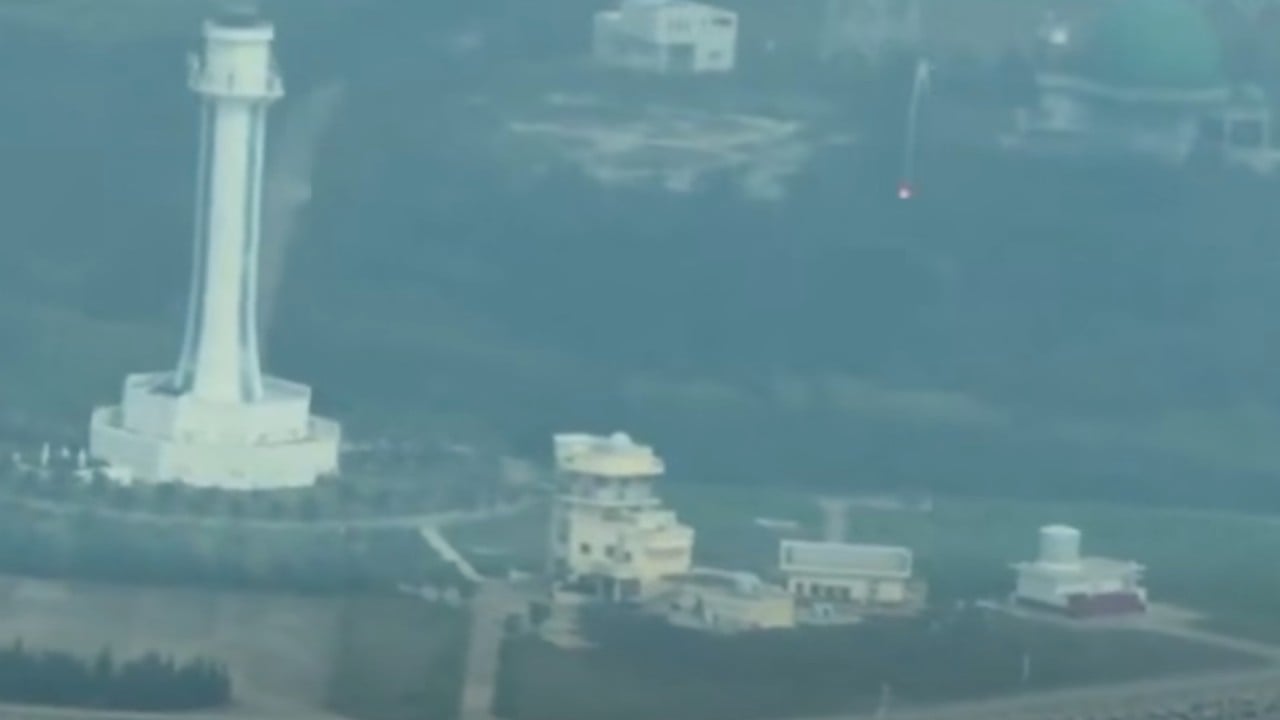
 2 sources
Morning Edition · Friday, September 11, 2026Published at 1:17 AM EDT · New York
Manila Says Chinese Forces Fired Flares at a Coast Guard Aircraft Over the Spratlys
The Philippine Coast Guard disclosed the September 7 encounter near Subi and Mischief Reefs three days later, along with video and a count of militia vessels in both lagoons.
The Philippine Coast Guard said Chinese forces fired flares towards one of its unarmed aircraft during a surveillance flight over the Spratly Islands. The South China Morning Post reported that the coast guard released video showing the Chinese military appearing to fire flares near the aircraft as it flew close to Subi and Mischief Reefs, features the Philippines calls Zamora and Panganiban.
BusinessWorld reported the flight took place on September 7 and that Chinese forces at Subi challenged the aircraft by radio before firing flares, with forces at Mischief repeating the action. The crew said the discharge of flares at an aircraft in flight endangers flight safety. Philstar reported the crew also observed a substantial number of Chinese maritime militia vessels sheltering inside the lagoons of both reefs. The Philippine crew told the Chinese side by radio that its presence on the reclaimed features violates international law and that the flight was routine.
The disclosure is part of a broader Philippine practice of publishing evidence rather than handling incidents quietly. The South China Morning Post noted separately this week that Manila made public a Chinese diplomatic note on the South China Sea. Beijing claims sovereignty over the Spratly Islands and has consistently described Philippine operations there as intrusions into Chinese territory. The South China Morning Post account of the September 7 flight carried Manila's version and video without a Chinese response.
Part of a tracked trend
Indo-Pacific Arms Race Accelerates
Over the next 3-6 months a sharpening regional arms race drives Japan and its neighbors to expand militaries and export weapons—Tokyo moving to sell missiles—as maritime confrontations with China multiply and Asian rearmament gathers pace.
Veracity: Corroborated
84/100- If true, who benefits
Manila, which builds a public evidentiary record for legal and alliance purposes, and the defence suppliers and American commanders who cite each incident when arguing for a larger presence in the area.
- The nuance
Philippine outlets including BusinessWorld and Philstar report the September 7 encounter consistently and video exists, but every element comes from one party, Beijing had issued no account of this flight at publication, and the distance between the flares and the aircraft, the variable that determines whether this was a warning or a hazard, is not established by any independent source.
An open-source-intelligence read of how likely this story is true with its real nuance, not a judgment of any outlet. It assesses the claim, weighing independent and adversarial reporting. How we label confidence.
What this means
Each publicised incident raises the probability that an accident, not a decision, triggers the mutual defence treaty between Manila and Washington, and that treaty is the mechanism by which a reef dispute becomes a shipping and insurance problem for the busiest trade route in Asia. Shipowners, cable operators and offshore energy developers in the area price that tail risk today through insurance and route planning. Manila's strategy of releasing video builds an evidentiary record for international forums, and it also removes the option of quiet de-escalation that both governments used to rely on.
Synthesized from: South China Morning Post · South China Morning Post
Townsquare
Start a discussion in Townsquare.
More from this edition
- Treasury's $6bn Buyback Fails to Stop Yields Rising Before Inflation Data
- Houthis Take Perim Island and All of Yemen's Red Sea Coast, With Brent Near $108
- Bitcoin Falls Below $77,000 as Traders Position for a Federal Reserve Hike
- Iran and Gulf States Meet to Turn a Temporary Hormuz Arrangement Into a Reopening
- Dubai Airports Plans Underground Fuel Tanks to Withstand Missile Strikes
- BRICS Leaders Gather in New Delhi as Road Closures and Evictions Anger Residents
- Drone Attack Sets Fire to Ozon Logistics Centre in Saratov
- Anthropic Researcher's Extinction Warning Revives the Push for United States AI Rules
Comments
0No comments yet.