← The Global Intelligence Brief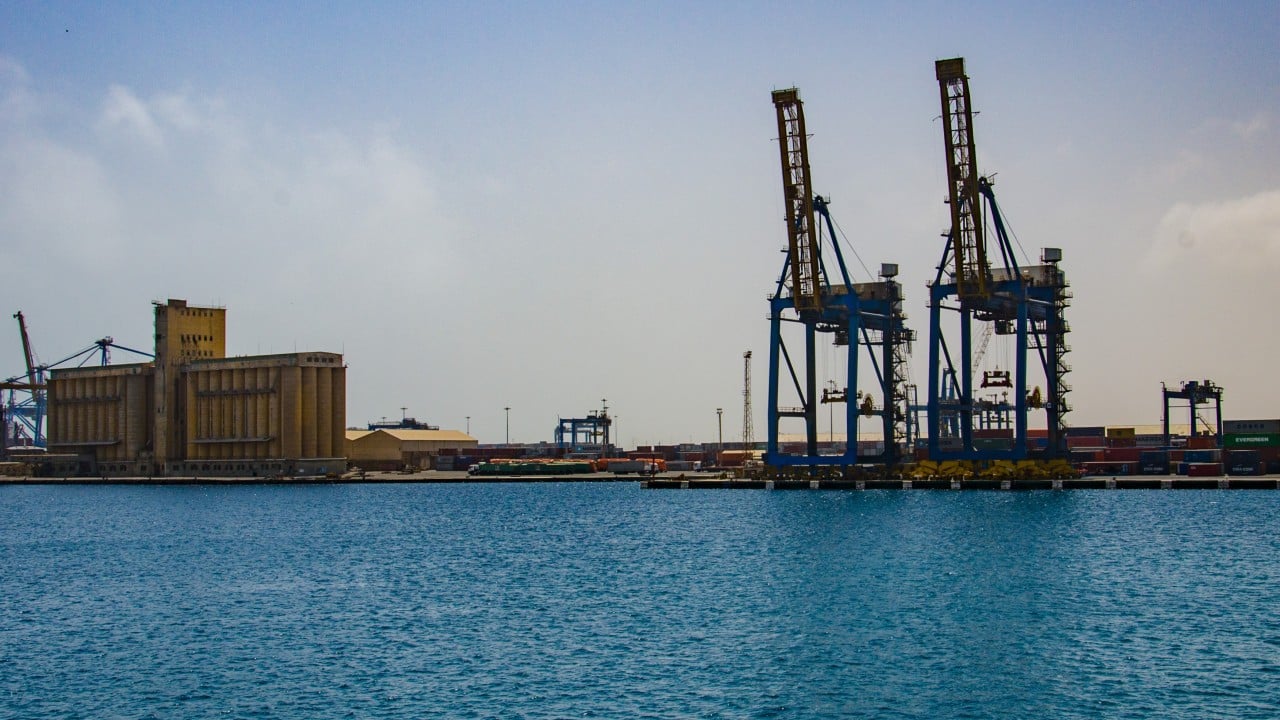

 2 sources
Morning Edition · Sunday, September 13, 2026Published at 1:20 AM EDT · New York
China Pursues Port and Power Contracts in Sudan Before the War Ends
Beijing is negotiating with the army-backed government while most Western countries maintain only a limited presence, as developing states press for a larger role in setting global economic rules.
China is negotiating port and power agreements with Sudan's army-backed government while the war continues, the South China Morning Post reported, positioning itself for reconstruction contracts at a point when most Western governments keep only a limited presence in the country. One analyst quoted in the report said Beijing is using the prospect of future investment as leverage in its current dealings with Port Sudan.
Sudan matters beyond its own borders. It sits on the Red Sea opposite the shipping lane the Houthis now dominate, it produces gold that has become an important channel for sanctioned finance, and its oil export infrastructure carries South Sudanese crude to the coast. Contracts signed with a government that controls part of a divided country carry obvious enforcement risk, which is the cost Beijing appears willing to accept in exchange for being first to secure these assets.
The same week, Indonesia's coordinating minister for economic affairs, Airlangga Hartarto, urged developing countries to claim a larger role in global economic governance. The two stories describe one process from opposite ends. Middle-income states are asking for a bigger say in the institutions that set rules, while China is acquiring the assets those rules govern.
Part of a tracked trend
China Buys the Reconstruction Queue
China keeps contracting for infrastructure in conflict and post-conflict states while Western firms stay out on sanctions and security grounds, so it accumulates durable positions in ports, power and minerals that shape trade routes for decades.
Veracity: Corroborated
85/100- If true, who benefits
Chinese contractors and lenders gain first position on Red Sea port and power assets while Western firms stay out, and Sudan's army-backed authorities gain an investor that attaches no governance conditions.
- The nuance
The article describes agreements as under negotiation, but Al-Monitor and Sudan Tribune report that a port agreement with China Harbour Engineering Company was already signed in July alongside debt forgiveness and a copper concession under discussion, and the framing omits that contracting with one side of a civil war is itself a form of recognition the Rapid Support Forces and their backers dispute.
An open-source-intelligence read of how likely this story is true with its real nuance, not a judgment of any outlet. It assesses the claim, weighing independent and adversarial reporting. How we label confidence.
What this means
Whoever holds Sudanese port and power concessions controls access to a Red Sea coastline that is becoming more strategically valuable as the southern approach to that sea is contested. Chinese contractors and lenders gain a position that Western firms cannot bid for while sanctions and security risk keep them out, and Sudan's government gains an investor that does not attach governance conditions. The cost is borne later, by whichever authority eventually governs the country and inherits the terms.
Synthesized from: South China Morning Post · Antara
Townsquare
Start a discussion in Townsquare.
More from this edition
- Saudi Arabia Loses Its Hormuz Bypass as Houthis Complete Control of Bab al-Mandeb
- Warsh's Fed Meets This Week With a Rate Increase Priced at Roughly Two in Three
- Iraq Seizes Drone Platform Linked to Saudi Pipeline Attack as Tehran Says It Is Not at War With Riyadh
- BRICS Adopts New Delhi Declaration Urging Restraint Without Naming the US Strikes on Iran
- Houthi Control of Bab al-Mandeb Leaves Washington With No Cheap Options
- Drones Strike Tatarstan Petrochemical City, With Casualty Accounts in Dispute
- Amodei Calls for a Slower AI Race, and Altman and Musk Say They Agree
- Executives Warn Private Equity Funds Raised in the Cheap-Money Years Will Miss Their Targets
Comments
0No comments yet.