← The Global Intelligence Brief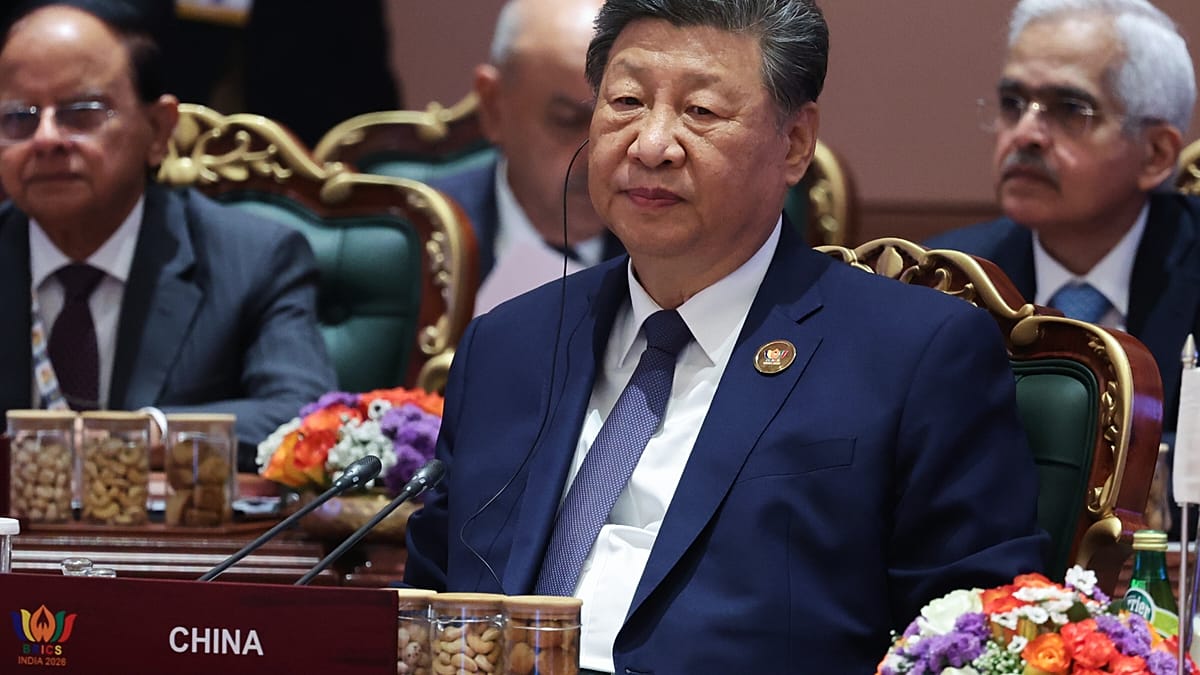


 4 sources
Morning Edition · Monday, September 14, 2026Published at 1:15 AM EDT · New York
BRICS Agrees to Settle More Trade in Its Own Currencies and Link Payment Systems
The New Delhi declaration stops short of a common currency, while Xi Jinping offers an open-source artificial-intelligence zone for the bloc.
The 18th BRICS summit closed in New Delhi with a declaration whose economic core is narrow and concrete. Members committed to expanding trade and investment settled in their own national currencies, and to connecting their domestic payment and messaging systems so transactions can clear without passing through the dollar. The text does not endorse a common BRICS currency, an idea India has consistently resisted.
Chinese President Xi Jinping used the meeting to propose that China lead an open-source zone for artificial intelligence across the 11-member group, covering large language models, training, and shared research, along with a call for a consensus-based global governance framework for the technology.
Indian coverage treated the outcome as a diplomatic success for the host. The Hindu described New Delhi's role as mediating between rival members and pushing for reform of global governance institutions. BBC Hindi took a different view, reporting that the war involving Iran revealed real divisions in the group, with members agreeing that a new global order is needed but unable to agree on what should replace the current one or how to get there.
Both accounts can be true at once. Payment infrastructure is where currency systems actually change, and it changes slowly, through bilateral settlement lines and message routing rather than through declarations. What matters is not whether the bloc reaches unanimous agreement, but whether the share of BRICS trade invoiced outside the dollar keeps rising while members disagree about everything else.
Part of a tracked trend
China Anchors a Parallel Bloc
China keeps deepening ties with neighbors and Global South states through high-level diplomacy, assembling a bloc that runs parallel to Western-led alliances and hardens a multipolar order.
Veracity: Corroborated
81/100- If true, who benefits
China and Russia gain most from non-dollar settlement rails because sanctions exposure falls, India gains the appearance of leadership as summit host, and the framing of steady de-dollarisation serves anyone selling gold, commodities, or the argument that United States funding costs face structural pressure.
- The nuance
The declaration commits members to expanding local-currency trade, but India's own proposal to link payment systems and central-bank digital currencies did not make the final text, which only acknowledged the work of the payment task force, so "linking payment systems" describes an aspiration rather than an agreed architecture.
An open-source-intelligence read of how likely this story is true with its real nuance, not a judgment of any outlet. It assesses the claim, weighing independent and adversarial reporting. How we label confidence.
What this means
Linking national payment systems reduces the number of transactions that require dollar clearing, which slowly erodes the demand for dollar balances that underpins American funding costs. The effect is gradual and shows up first in commodity trade between China, India, Russia, and Gulf producers, where the invoicing currency is negotiable. United States banks lose fee income and visibility, while central banks within the bloc gain the ability to trade during sanctions episodes. Nothing here threatens the dollar's reserve role in the near term, and that is exactly why it continues without triggering a policy response.
Synthesized from: Euronews · The Hindu · BBC News Hindi · South China Morning Post
Townsquare
Start a discussion in Townsquare.
More from this edition
- Fed Chair Warsh Heads Into a Rate Decision That Puts Him Against Trump
- Saudi Arabia's East-West Pipeline Shutdown Pushes Brent Toward $108
- SoftBank Falls 13 Percent After AI Lab Chiefs Call for Slower Development
- Bank of Japan Approaches a Rate Decision Squeezed Between Tokyo and Washington
- Gold Near $4,344 While Bitcoin Holds Around $77,500 as the Two Move Together
- UK Long-Term Borrowing Costs Near 1998 Levels Before the October 28 Budget
- Sweden's Centre-Left Leads by One Seat as Far-Right Vote Falls for the First Time
- Russian Drone Strikes Ukrainian Train Minutes After European Security Advisers Passed
Comments
1Sep 14, 5:15 AM
Xi's proposal to have China lead the bloc's open source AI zone would give Beijing direct influence over the model governance and training standards that 11 member states adopt.