← The Global Intelligence Brief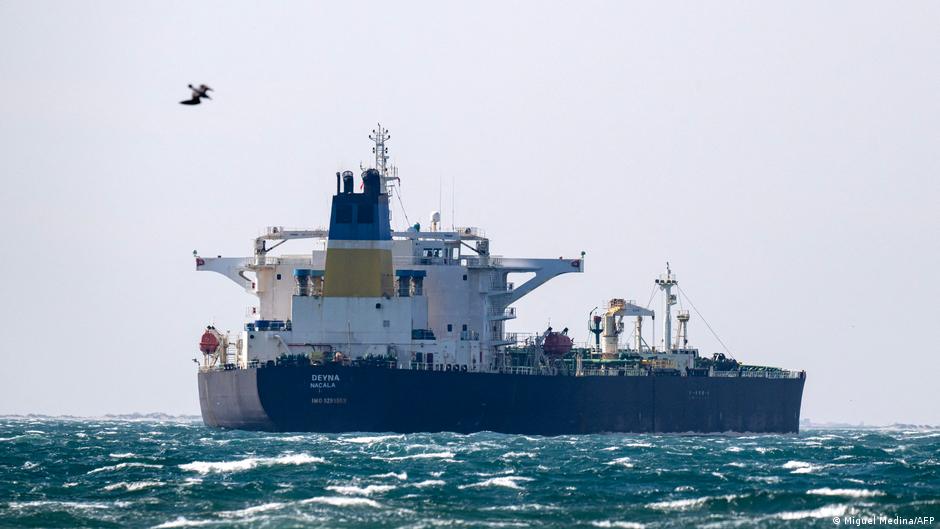


 3 sources
Morning Edition · Saturday, September 19, 2026Published at 1:10 AM EDT · New York
Trump Signs Russia Sanctions Law Targeting the Shadow Tanker Fleet and Buyers of Russian Oil
The measure directs tariffs of up to 100% on the five largest importers of Russian oil or natural gas, extending the sanctions burden to third countries.
President Donald Trump signed a Russia sanctions bill into law on Friday. The legislation targets Russian officials, banks, the energy and defence industries, and the fleet of tankers that carries Russian crude outside established insurance and ownership structures. It passed with wide bipartisan margins, 86 to 11 in the Senate and 262 to 159 in the House.
The provision with the widest reach is not aimed at Russia at all. The law directs the president to impose tariffs of up to 100% on the five largest importers of Russian oil or natural gas, with an exemption for countries that buy comparatively little and are demonstrably reducing purchases. That places India, China and Turkey inside a US trade instrument based on their energy sourcing.
On the same day the State Department cleared a $2.7 billion defence package for Ukraine, to be funded by a combination of European contributions and US Foreign Military Financing appropriated during the Biden administration. Russian state media framed the week differently, with TASS publishing its own calculation of what Kyiv will spend servicing and repaying state debt in 2027, an argument that Ukraine's financing model is the fragile part of the arrangement.
Veracity: Corroborated
93/100- If true, who benefits
Congressional backers of pressure on Moscow gain a legislative win, US liquefied natural gas and defence exporters gain from displaced Russian volumes, and tanker owners and insurers outside Western jurisdiction gain pricing power, while the Kremlin gains a grievance it can use to argue Washington is obstructing a settlement.
- The nuance
The law's reach is real and the vote margins check out, but Reuters analysts describe the tariff provision as sweeping new authority the president may use rather than a mandate with a deadline, India has already said it will keep buying through diversified sourcing and China has rejected what it calls long-arm jurisdiction, so enforcement discretion, not the text, decides the outcome.
An open-source-intelligence read of how likely this story is true with its real nuance, not a judgment of any outlet. It assesses the claim, weighing independent and adversarial reporting. How we label confidence.
What this means
Synthesized from: Deutsche Welle · The Hindu · TASS
Townsquare
Start a discussion in Townsquare.
More from this edition
- Two-Year Treasury Yield Reaches 4.74% as Warsh Fed Signals Another Increase
- Brent Falls Toward $102 as Saudi Arabia Moves to Restore Its East-West Pipeline
- Yen Weakens Past 157 Per Dollar Even After the Bank of Japan Raises Rates to 1.25%
- US and Chinese Ministers Meet in New York on Sunday to Prepare a Leaders' Summit
- Explosions Over Riyadh Bring the Yemen War to the Saudi Capital for the First Time Since July
- European Stocks Fall 1.1% as Volkswagen Flags €10 Billion of One-Off Charges
- Bolivia Ends Diesel Subsidies Hours After Congress Approves a $1.9 Billion IMF Programme
- United States Warns European Allies of Delays in Missile and Air-Defence Deliveries
Comments
1Sep 19, 5:10 AM · edited
The House margin of 262 to 159 falls short of the two thirds override threshold, meaning enforcement depends on continued executive branch cooperation even though the Senate margin is veto proof.