← The Global Intelligence Brief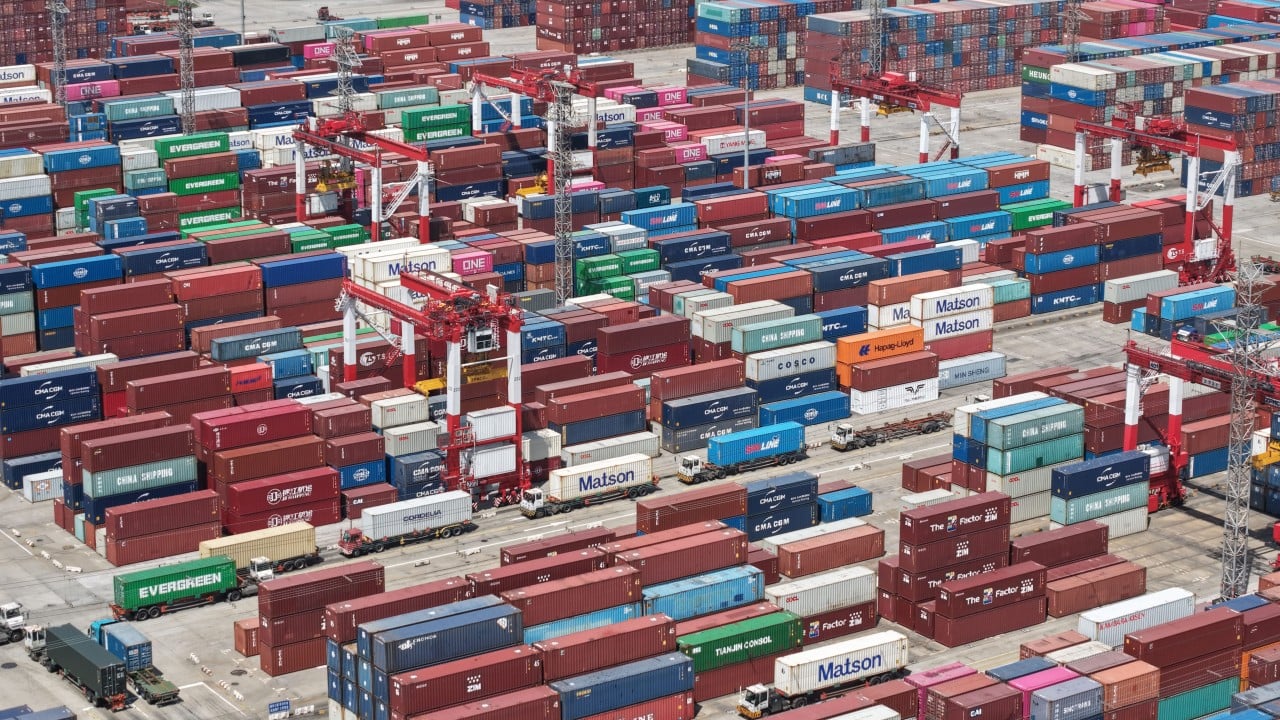

 3 sources
Morning Edition · Thursday, October 15, 2026Published at 1:13 AM EDT · New York
EU prepares tougher China trade measures after a hybrid-car quota deal it sees as proof that threats work
The deal caps Chinese hybrid imports at about 350,000 vehicles a year, and EU leaders meet Thursday to review it. Beijing is presenting its export performance as steady.
The European Union's hybrid-car agreement with China last week was meant to reduce pressure on Beijing. Instead, Brussels is preparing to step up action against Chinese trade practices, the South China Morning Post reported. The paper said EU officials believe their threats are "finally delivering results."
The deal was announced on October 9 by EU Trade Commissioner Maroš Šefčovič and Chinese Commerce Minister Wang Wentao. It sets an import quota of about 350,000 Chinese-made hybrid vehicles a year, rising 6% annually. In return, China cuts tariffs on about €4 billion of European exports, saving roughly €225 million in duties. Bloomberg described the deal as Beijing's attempt to avoid a wider trade war. EU leaders were scheduled to review it at their summit in Brussels on October 15 and 16.
Chinese state media presented a different picture. Xinhua reported that China's foreign trade "maintains sound momentum" as "new drivers power exports." Xi Jinping sent a congratulatory letter to the 140th Canton Fair, China's main export trade show. Beijing's message is that its exports are growing across many markets and do not depend on any single one, Europe included.
Part of a tracked trend
Europe Turns to Managed Trade With China
Brussels will keep replacing open trade with China by sector-by-sector quotas backed by threats of tariffs, and Beijing will keep accepting caps in Europe while it shifts export growth to the Global South.
Veracity: Plausible
70/100- If true, who benefits
European carmakers gain protection from Chinese hybrids, and Commission officials who favor tougher trade policy gain a precedent. Beijing keeps market access at a lower cost than punitive tariffs, while European machinery and luxury exporters to China carry the risk of retaliation.
- The nuance
The terms are confirmed: a cap of 350,000 vehicles a year, rising 6% annually, for four years. The claim that Brussels has been "emboldened" is the South China Morning Post's reading of anonymous officials, not a decision the EU has adopted. The deal also includes a non-discrimination clause Beijing secured, which limits how sharply the EU can single out China in later sector-by-sector measures.
An open-source-intelligence read of how likely this story is true with its real nuance, not a judgment of any outlet. It assesses the claim, weighing independent and adversarial reporting. How we label confidence.
What this means
Synthesized from: South China Morning Post · Xinhua · Xinhua
Townsquare
Start a discussion in Townsquare.
More from this edition
- Hot US inflation revives Fed rate-hike bets and South Korea's Kospi falls 8%
- Brent falls toward $104 despite a Houthi strike on Aramco offices and a mine sinking a ship in Hormuz
- Washington considers letting sanctioned tankers carry oil and seeks Russian diesel before the midterms
- Bitcoin falls below $81,000 as nearly $1 billion of crypto bets are liquidated and gold and silver also drop
- US military adds its largest non-nuclear bomb to Iran strike plans, CNN reports
- Zelensky ends three-day pause on refinery strikes, saying Russia ignored Trump's energy truce
- Bank of Japan board member says the central bank need not be overly cautious about raising rates
Comments
0No comments yet.