← The Global Intelligence Brief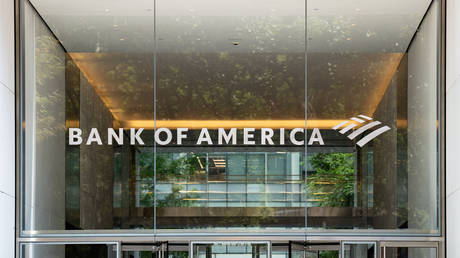

 2 sources
Morning Edition · Thursday, October 15, 2026Published at 1:13 AM EDT · New York
US bank regulator says all nine of the largest US banks restricted customers on political or industry grounds
The Office of the Comptroller of the Currency (OCC) named JPMorgan Chase, Bank of America and Citibank among them, and the consumer finance regulator has opened its own inquiry.
The OCC accused nine major US banks of denying services to customers and businesses because of their political views and activities, RT reported. The OCC published the report on Wednesday, stating that between 2020 and September 2025 all nine banks had such policies: JPMorgan Chase, Bank of America, Citibank, Wells Fargo, U.S. Bank, Capital One, PNC Bank, TD Bank and BMO Bank.
The review was ordered under an executive order titled "Guaranteeing Fair Access to Banking for All Americans." The OCC said it reviewed about 420,000 pages of bank documents and found that some banks used broad "reputational risk" policies and industry restrictions without clear, objective criteria. The affected sectors included oil and gas, coal, firearms, private detention, tobacco and digital assets. Hours later, the Consumer Financial Protection Bureau (CFPB) said it would investigate whether these banks and others complied with consumer-finance law. The banks have argued in past disputes over account closures that their decisions follow risk and compliance rules rather than politics. The reports cited here did not include the banks' responses to the new findings.
Crypto companies, one of the groups named in the report, are now obtaining their own banking licenses. Bitcoin Magazine reported that Payward, the parent company of the exchange Kraken, will buy Saldo Bank as part of a move into European banking. Owning a licensed bank means a crypto company no longer depends on another bank to keep its accounts open.
Part of a tracked trend
Banking Access Becomes a Political Instrument
Each US administration uses bank supervision to decide which industries and viewpoints get banking services, so access swings with elections and businesses respond by spreading accounts across jurisdictions or obtaining their own charters.
Veracity: Plausible
68/100- If true, who benefits
The administration, plus energy, firearms and crypto companies, gain grounds for more pressure on big banks, and crypto companies gain a reason to get their own bank charters. The nine banks face the cost of a Consumer Financial Protection Bureau (CFPB) investigation and pressure to drop reputational-risk policies.
- The nuance
The Office of the Comptroller of the Currency (OCC) did publish a final report naming all nine banks, and the CFPB opened an inquiry. The report's wording is more cautious than "political views," however: it says the policies "may" restrict access, and most of the findings concern industry-wide limits, not individual political belief. The OCC imposed no fines or penalties. Its preliminary December 2025 findings covered 2020 to 2023, and some banks still say they did not debank customers.
An open-source-intelligence read of how likely this story is true with its real nuance, not a judgment of any outlet. It assesses the claim, weighing independent and adversarial reporting. How we label confidence.
Synthesized from: RT · Bitcoin Magazine
Townsquare
Start a discussion in Townsquare.
More from this edition
- Hot US inflation revives Fed rate-hike bets and South Korea's Kospi falls 8%
- Brent falls toward $104 despite a Houthi strike on Aramco offices and a mine sinking a ship in Hormuz
- Washington considers letting sanctioned tankers carry oil and seeks Russian diesel before the midterms
- Bitcoin falls below $81,000 as nearly $1 billion of crypto bets are liquidated and gold and silver also drop
- US military adds its largest non-nuclear bomb to Iran strike plans, CNN reports
- Zelensky ends three-day pause on refinery strikes, saying Russia ignored Trump's energy truce
- Bank of Japan board member says the central bank need not be overly cautious about raising rates
Comments
0No comments yet.