← The Global Intelligence Brief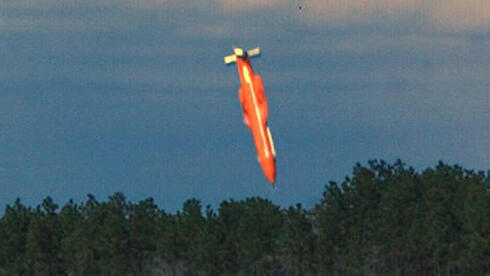

 2 sources
Morning Edition · Thursday, October 15, 2026Published at 1:13 AM EDT · New York
US military adds its largest non-nuclear bomb to Iran strike plans, CNN reports
The new options cover Iranian energy infrastructure and the underground site known as Pickaxe Mountain, but military sources quoted in the report doubt the weapon can reach deep bunkers.
The US military has drawn up new strike plans against Iran that include possible use of the GBU-43/B Massive Ordnance Air Blast (MOAB), CNN reported. The plans would apply if President Trump orders combat operations to resume. One source told CNN that Trump ordered additional strike packages covering "a lot of energy infrastructure." Plans against nuclear sites, including the underground complex known as Pickaxe Mountain, explicitly included the bomb.
Israeli coverage focused on what the plan suggests about US intentions. Ynet noted that the bomb is the largest non-nuclear weapon in the US arsenal and has been used in combat only once. It said the wording of the report suggests Washington could use the weapon, declare that it had achieved its objectives, and then withdraw forces. Ynet also cited doubts about how effective the bomb would be. CNN quoted one assessment stating the MOAB is "definitely not designed as a deep penetration warhead." Globes ran the report alongside a separate item saying Israel is blocking the creation of a base for the international force that the US-led "Board of Peace" plans for Gaza.
Iran has shown no sign of changing its position. On Wednesday, Iranian officials said they were "counting the moments" until they could strike US warships. Iran has warned before that any attack on its nuclear facilities would widen the regional war. Satellite analysis cited by Euronews Persian in September showed reinforced tunnel entrances at Pickaxe Mountain. Israel says Iran moved enriched uranium and centrifuges there after the June 2025 strikes. Iran has not confirmed this.
Part of a tracked trend
Fragile US-Iran Detente
The US-Iran settlement is a managed, reversible arrangement rather than a durable peace, so repeated rounds of brinkmanship and renegotiation will keep regional risk live and intermittently price back into energy markets.
Veracity: Plausible
72/100- If true, who benefits
Publishing the plans pressures Tehran during talks. It also helps those in Washington who prefer a short, highly visible strike they can declare a success. Holders of oil and defense stocks benefit from the higher risk premium attached to a possible attack on Iranian energy sites.
- The nuance
Al-Monitor and Iran International repeated CNN's report, but all of the reporting comes from anonymous sources describing contingency plans, not a decision. CNN's own sources say the bomb probably cannot reach the depth of Pickaxe Mountain, which suggests the leak may serve to send a message as much as to describe an operation. The claim that Iran moved enriched uranium to the site comes from Israel, and Tehran has not confirmed it.
An open-source-intelligence read of how likely this story is true with its real nuance, not a judgment of any outlet. It assesses the claim, weighing independent and adversarial reporting. How we label confidence.
Synthesized from: Ynet (Hebrew) · Globes (Hebrew)
Townsquare
Start a discussion in Townsquare.
More from this edition
- Hot US inflation revives Fed rate-hike bets and South Korea's Kospi falls 8%
- Brent falls toward $104 despite a Houthi strike on Aramco offices and a mine sinking a ship in Hormuz
- Washington considers letting sanctioned tankers carry oil and seeks Russian diesel before the midterms
- Bitcoin falls below $81,000 as nearly $1 billion of crypto bets are liquidated and gold and silver also drop
- Zelensky ends three-day pause on refinery strikes, saying Russia ignored Trump's energy truce
- Bank of Japan board member says the central bank need not be overly cautious about raising rates
- EU prepares tougher China trade measures after a hybrid-car quota deal it sees as proof that threats work
Comments
0No comments yet.