← The Global Intelligence Brief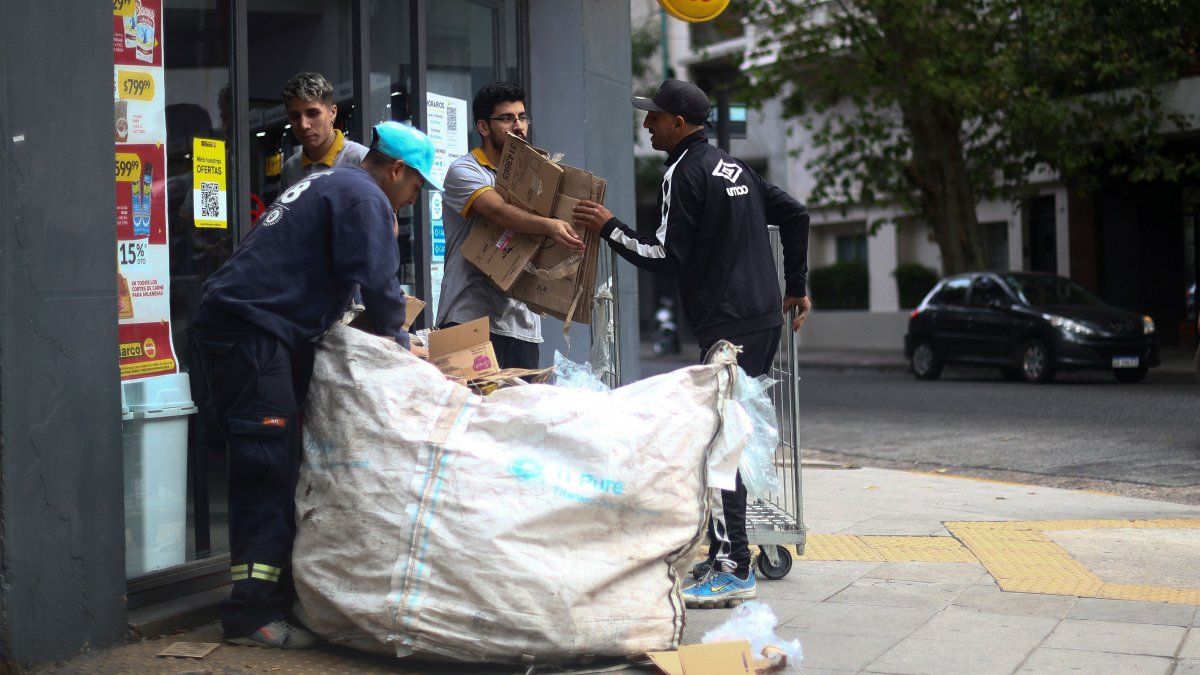

 3 sources
Morning Edition · Saturday, November 7, 2026Published at 12:12 AM EST · New York
Argentine Poverty Reaches 45.4% When Price Weights Are Updated, According to a Recalculation Reported by Ámbito
The estimate puts 21.1 million Argentines in poverty, about 6 million more than the official measure, while motorcycle registrations reached 177 per 100 cars in October.
Argentina's poverty rate reaches 45.4%, affecting 21.1 million people, when it is calculated with updated consumption weights, the Buenos Aires business daily Ámbito reported. Translated from Spanish, the report says the method yields about 6 million more poor people than the measure of the National Institute of Statistics and Censuses (INDEC). It would also put poverty above the level that Mauricio Macri left when his term ended. The estimate does not replace the official figure. It changes the weights given to goods and services in the cost-of-living basket, and those weights determine how far the poverty line has risen.
Consumption data points in the same direction. Argentina registered 177 motorcycles for every 100 cars in October, the highest ratio in a series that began in 2007, according to a report by the consultancy Analytica cited by Ámbito. The authors said no high-income country shows that pattern. Households that move from cars to motorcycles are spending less on transport, not more.
President Javier Milei's international position is also weaker. An op-ed in the Buenos Aires Times argues that a series of three election results abroad has gone against him, the latest being the US midterms, which weakened Donald Trump, Milei's closest foreign ally and a source of financial backing.
Veracity: Plausible
60/100- If true, who benefits
Unions, pensioners and Milei's opponents gain evidence for demanding increases above official inflation, while the government benefits if INDEC's lower figure stands, because that figure supports its case to bondholders that the adjustment is reducing poverty.
- The nuance
The 45.4% estimate comes from the consultancy Equilibra, which updated the weights and also adjusted for underreported income, so it is not a change of weights alone. INDEC's official rate for the first half of 2026 is 32.3%, and another consultancy, ExQuanti, estimated 15.4 million people in poverty, close to the official count.
An open-source-intelligence read of how likely this story is true with its real nuance, not a judgment of any outlet. It assesses the claim, weighing independent and adversarial reporting. How we label confidence.
What this means
Disinflation measured with an outdated basket can overstate how much real incomes have recovered. This is especially likely when regulated prices for utilities and transport rose faster than goods after subsidies were cut. The gap matters to investors because the political tolerance for Milei's fiscal adjustment depends on the incomes households experience, not on the official index. The exposed assets are Argentine dollar bonds and the peso, which have priced continued reform. A weaker Washington ally reduces the chance of outside support if the program needs it. The precedent runs in the opposite direction but carries the same lesson: from 2007 to 2015 INDEC's official inflation figures were widely judged to be understated, and the IMF censured Argentina in 2013, which damaged trust in official statistics for years. The desk's read is that pressure for wage and pension increases above official inflation grows over the next two quarters, and that the government spends political capital defending its numbers. That depends on independent measures continuing to show higher poverty than INDEC. Real-wage gains that appear even under updated weights would prove this read wrong.
Synthesized from: Ámbito · Ámbito (registrations) · Buenos Aires Times
Townsquare
Start a discussion in Townsquare.
More from this edition
- US Payrolls Jump by 165,000 and Make a December Federal Reserve Rate Increase the Market's Base Case
- US Strikes Iranian Air Defences on Qeshm Island as Brent Ends Its Worst Week Since April 2020
- Voters Reject Data Centres in 40 of 41 Ballot Measures as an AI Sell-Off Sends Japan's Nikkei Into a Bear Market
- China's Central Bank Extends Gold Buying to 24 Straight Months as Bitcoin Falls Below $75,000
- Washington Tells Beijing to Meet Its Busan Trade Commitments on Rare Earths and Farm Goods "Immediately"
- Paraguay's Senate Removes President Santiago Peña Over the Ueno Bank Collapse, and Prosecutors Order Him Held Under House Arrest
- Ukrainian Drones Reportedly Hit the Saratov Refinery as a Russian Ballistic Missile Injures Three in Kyiv
Comments
0No comments yet.