← The Global Intelligence Brief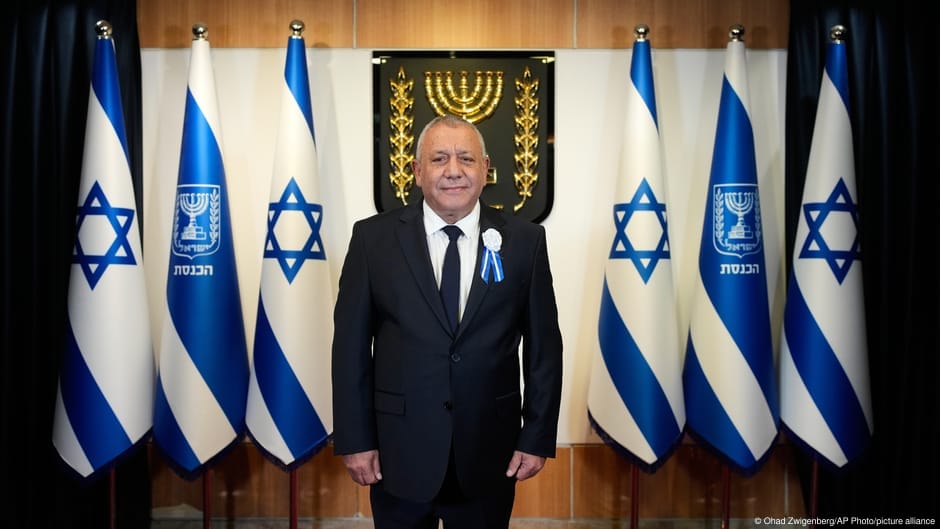


 4 sources
Morning Edition · Wednesday, November 11, 2026Published at 12:05 AM EST · New York
Israel's New Knesset Opens Without a Government as Washington Moves to Cut Military Aid
Gadi Eisenkot has not assembled a coalition to replace caretaker Prime Minister Benjamin Netanyahu, and Trump says $4 billion a year in American military aid will end by the close of 2026, two years before the current agreement expires.
Israel's new parliament was sworn in on Tuesday, but no new government has been formed. Former military chief Gadi Eisenkot has not yet formed a coalition to replace Benjamin Netanyahu, even though critics of the caretaker prime minister dominate the Knesset, Deutsche Welle reported. Eisenkot used the opening to propose an inquiry into the October 7 attacks. BBC News Hindi, surveying Israeli press coverage, reported that commentators do not expect a government to be formed soon. Former Prime Minister Naftali Bennett repeatedly heckled Netanyahu during the session, Al Jazeera showed.
Whoever forms the next government will face a change in American support. On November 3, President Trump said annual military aid of about $4 billion would end by the close of 2026, the Times of Israel reported. The current memorandum of understanding (MOU) runs through 2028. Congress appropriates the money, and Trump has acknowledged he cannot end it alone, Al Jazeera reported. Trump said Washington would keep selling arms to Israel. Al Jazeera examined what the change means for the defense partnership. President Isaac Herzog has urged that the MOU stay in force, and Eisenkot criticized the fact that Israel's defense establishment learned of the decision from media reports.
Netanyahu's office is aligning itself with Washington on Gaza. After a call with Trump, it said in an English-language statement that Israel is "committed to the Trump plan," Globes reported. The statement described winter supplies entering Gaza, including tens of thousands of tents, clothing and vacuum trucks. It also said Hamas must disarm before reconstruction begins. Globes also noted that Iranian President Masoud Pezeshkian had travelled to Turkey for a United Nations conference.
Part of a tracked trend
America Puts a Price on Its Guarantees
Washington increasingly turns open-ended security commitments into conditional, domestically driven bargains, so allies keep absorbing higher defense costs and political risk that American guarantees used to cover.
Veracity: Plausible
73/100- If true, who benefits
Ending the aid gives Trump leverage over Israeli decisions on Gaza and Iran and a budget saving to show voters. US arms makers lose nothing if sales continue, though Israel would then pay for its weapons itself.
- The nuance
Trump's statement is confirmed. Reporting says Israel has not confirmed the decision. The Associated Press described the cutoff as starting in 2027 and said an end within 2026 would be nearly impossible. Netanyahu himself has proposed reducing the aid to zero over about a decade, which makes this partly a dispute over timing rather than a break that Washington imposed.
An open-source-intelligence read of how likely this story is true with its real nuance, not a judgment of any outlet. It assesses the claim, weighing independent and adversarial reporting. How we label confidence.
What this means
The mechanism is fiscal. If the aid ends, Israel will pay for weapons it now receives on credit, which raises its defense spending and borrowing requirements. That would put pressure on its sovereign spreads and the shekel, especially while no government exists to pass a budget. Trump gains domestic political cover and more leverage over Israeli decisions on Gaza and Iran, which the "committed to the Trump plan" statement already reflects. Congress controls the appropriation and can slow the change, but after January it will be led by a party in which support for the aid has weakened. Markets have not priced a longer period without a government combined with a self-funded defense budget. The likelier outcome is that Congress funds existing programs such as missile defense through 2027 while new grants shrink, which shifts weapons costs onto Israel's budget within a year. A Knesset coalition formed quickly with a credible budget would reduce the risk premium. A new MOU negotiation started by Washington would show the cut was a bargaining position.
Synthesized from: Deutsche Welle · BBC News Hindi · Al Jazeera · Globes (Hebrew)
Townsquare
Start a discussion in Townsquare.
More from this edition
- Hotter October Inflation Pushes Markets to Price a December Fed Rate Increase
- Brent Rebounds From Two-Month Low as Attacks on Hormuz Shipping Continue
- Nvidia Falls for a Second Day as Its Board Investigates Huang's Ties to an Alleged Chinese Agent
- Russia, US and Ukraine Resume Abu Dhabi Talks With European Delegates Excluded
- Japanese Savers Buy Over ¥2 Trillion of Retail Government Bonds as Takaichi's Food Tax Cut Reaches the Upper House
- Anthropic's Bankers Prepare to Raise the IPO Valuation to $1.5 Trillion or More
- Taiwan Says a Chinese Carrier Group Is Rehearsing Area Denial in the Western Pacific
Comments
0No comments yet.