← The Global Intelligence Brief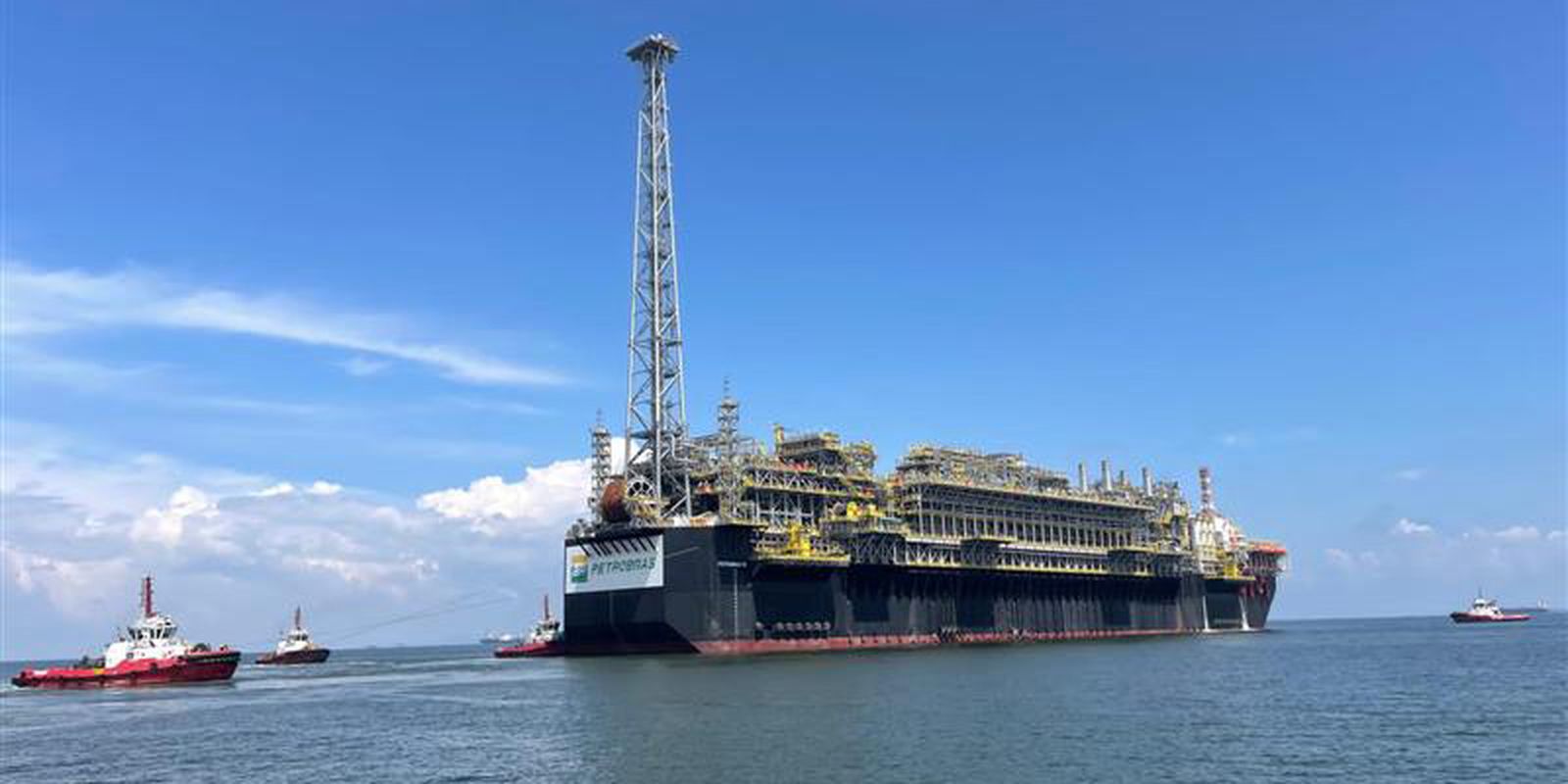


 3 sources
Morning Edition · Wednesday, November 11, 2026Published at 12:05 AM EST · New York
Petrobras Profit Rises 21.5% as Brazil Studies Imports of Argentine Vaca Muerta Gas
Venezuela also signed a non-binding memorandum on ExxonMobil's return after 19 years, according to MercoPress, though Exxon's chief executive urged caution earlier this month.
Petrobras reported third-quarter net profit of R$39.8 billion, up 21.5% from a year earlier, Agência Brasil reported. The quarter covered a period of war-driven crude prices. The state-controlled company's operating cash flow exceeded R$61 billion.
Brazil is also looking south for gas. Pré-Sal Petróleo SA (PPSA), the Brazilian state company that manages the country's share of pre-salt oil, signed a memorandum of understanding on Tuesday with Gas y Petróleo del Neuquén (GyP), an Argentine provincial state company, Folha reported. The agreement is to assess supplying the Brazilian market with gas from Argentina's Vaca Muerta shale formation.
Further north, Venezuela signed a memorandum of understanding with ExxonMobil on Monday for the company's return, MercoPress reported. Exxon left in 2007, after Hugo Chávez's government nationalized the last privately held oilfields. MercoPress notes that the document is not a contract. ExxonMobil has made no public statement on the signing that this desk could find. Its chief executive, Darren Woods, recently said Venezuela still needs significant reforms before the company commits major capital, according to La Patilla. La Patilla reported that Chevron is investing $7 billion in the country.
Part of a tracked trend
Capital Turns to Atlantic Energy Supply
Recurring Gulf conflict keeps pushing energy investment and importer demand toward South American and Atlantic-basin producers, so their state oil companies and export projects keep gaining revenue and bargaining power.
Veracity: Corroborated
84/100- If true, who benefits
Caracas gains legitimacy and the prospect of capital investment, and Washington gains a path to more heavy crude in the Western Hemisphere. ExxonMobil keeps its options open without committing money.
- The nuance
Reuters confirms the non-binding memorandum, which ExxonMobil signed with state oil company PDVSA on November 9. The article is wrong that the company made no statement. ExxonMobil called the memorandum a "meaningful first step" and said investment would require stable policies, investment protections and competitive returns. Its arbitration claims from 2007 remain unsettled.
An open-source-intelligence read of how likely this story is true with its real nuance, not a judgment of any outlet. It assesses the claim, weighing independent and adversarial reporting. How we label confidence.
What this means
Gulf war premiums have raised profits for Atlantic-basin producers and made South American supply more attractive to importers and investors. Petrobras's cash flow funds Brazil's state budget through dividends, which helps the federal fiscal position for as long as crude stays high. Argentine gas exports would earn dollars for a country that lacks them. The weak point is contract security. Venezuela offers some of the world's largest reserves but has seized foreign oil assets before, and a memorandum does not protect capital. Exxon's caution reflects the arbitration it pursued after the 2007 nationalization. The consensus treats the Venezuelan memorandum as Exxon's return. The record supports a slower path. The likelier outcome is that Chevron and smaller companies expand in Venezuela over the next year while Exxon keeps its exposure limited until a binding contract with legal protections is signed. In Brazil, expect Petrobras dividends to remain a major fiscal support while Brent holds near $90. A binding Exxon contract with an agreement to settle the company's old claims would prove the cautious reading wrong.
Synthesized from: Agência Brasil · Folha (Mercado) · MercoPress
Townsquare
Start a discussion in Townsquare.
More from this edition
- Hotter October Inflation Pushes Markets to Price a December Fed Rate Increase
- Brent Rebounds From Two-Month Low as Attacks on Hormuz Shipping Continue
- Nvidia Falls for a Second Day as Its Board Investigates Huang's Ties to an Alleged Chinese Agent
- Russia, US and Ukraine Resume Abu Dhabi Talks With European Delegates Excluded
- Japanese Savers Buy Over ¥2 Trillion of Retail Government Bonds as Takaichi's Food Tax Cut Reaches the Upper House
- Anthropic's Bankers Prepare to Raise the IPO Valuation to $1.5 Trillion or More
- Taiwan Says a Chinese Carrier Group Is Rehearsing Area Denial in the Western Pacific
Comments
0No comments yet.