← The Global Intelligence Brief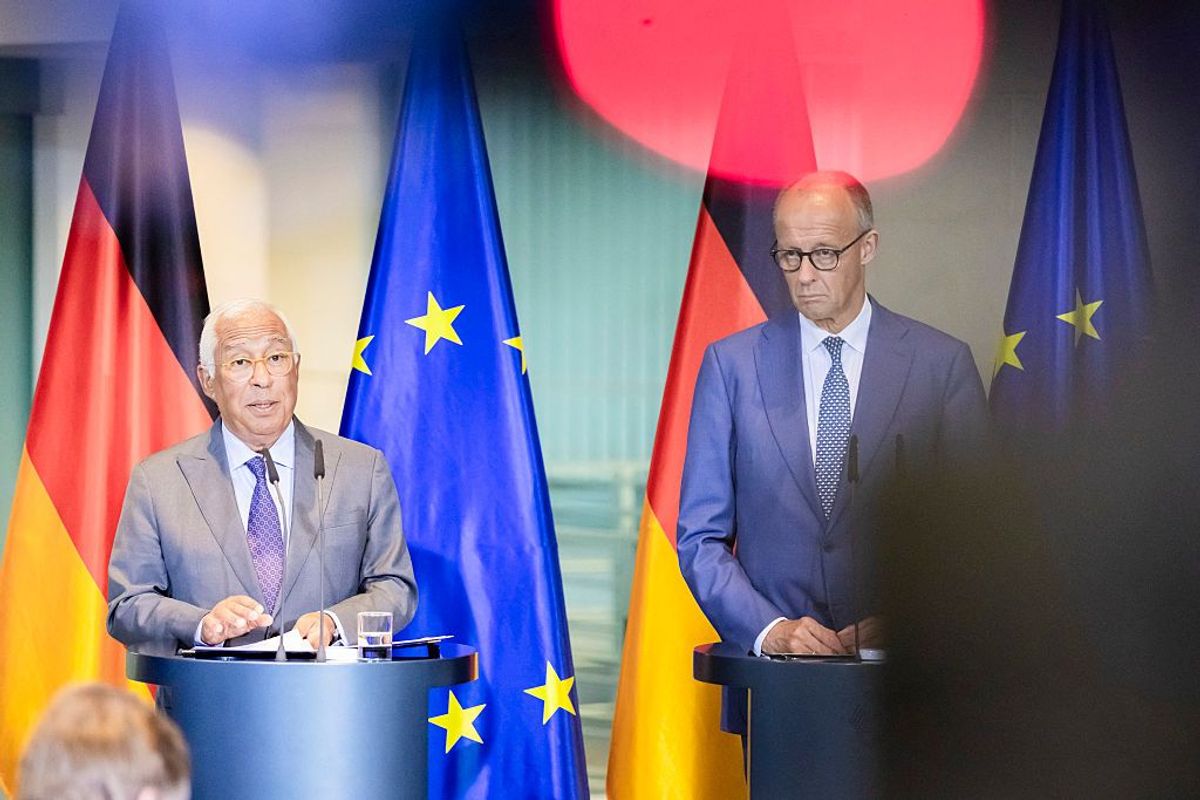


 3 sources
Morning Edition · Wednesday, November 11, 2026UpdatedPublished at 7:40 AM EST · New York
Russia, US and Ukraine Resume Abu Dhabi Talks With European Delegates Excluded
The talks ended Wednesday with an agreement in principle on a large prisoner exchange, but no progress on territory or a ceasefire, as Witkoff and Kushner prepare to brief Putin in Moscow and then meet Zelensky in Dublin.
Updated at 7:40 AM EST
The Abu Dhabi talks concluded Wednesday with a prisoner-exchange agreement (numbers to be set Thursday) but no movement on territory or a ceasefire, and Witkoff and Kushner now plan follow-up stops in Moscow and Dublin.
Negotiators from Russia, the United States and Ukraine concluded two days of talks in Abu Dhabi on Wednesday with an agreement in principle on a large prisoner exchange, but no breakthrough on the core issues of territory or a ceasefire, Euronews reported. The first round on Tuesday lasted about four and a half hours with one break, Komsomolskaya Pravda reported. Vladimir Medinsky, an aide to President Vladimir Putin, led the Russian delegation. Special envoy Steve Witkoff and Jared Kushner, the senior White House adviser and President Trump's son-in-law, represented Washington, Vedomosti reported. Secretary of State Marco Rubio had called Tuesday's meeting productive and said a quick resolution should not be expected, according to Lenta.ru.
Kushner said the final numbers for the prisoner exchange would be settled on Thursday, Euronews reported. Ukrainian negotiator Rustem Umerov and Medinsky both confirmed a swap was planned, though neither gave a final figure, Interfax Ukraine reported. Kushner described the talks as "substantive" but "very tough," and said security guarantees were the main topic discussed, with territory remaining the hardest issue to resolve, the Washington Times reported. Russia still insists on receiving all of Donbas, and Ukraine rejects that concession, Lenta.ru reported. A commentator quoted by Russian media said lifting sanctions and returning Russian assets frozen at Euroclear were not yet under discussion. Russian outlets, citing a PBS News report that quotes an unnamed American official, said Washington pressed for reviving the North Atlantic Treaty Organization (NATO)-Russia Council, which stopped meeting in 2022.
Europe was not part of the three-way talks. Politico reported that European delegates who travelled to Abu Dhabi were kept out because Russia objected. Medinsky told reporters, "We don't really understand in what capacity they are here." Other Russian outlets said the Europeans held separate meetings (Rambler). President Volodymyr Zelensky said Europe must decide by the end of November who will represent it, ideally at a meeting in Germany on November 19, Ukrinform reported. The European Union's funding for Ukraine remains under separate negotiation. European Council President António Costa kept Ukraine financing talks scheduled for late November despite an appeal from German Chancellor Friedrich Merz, Kyiv Independent reported. Costa added a broader discussion of Ukraine at an informal summit in Dublin.
Witkoff and Kushner now plan to travel to Moscow on Thursday to brief Putin on the talks, and then to meet Zelensky in Dublin, the Moscow Times reported. Officials going into the Abu Dhabi round had said they were not seeking a final agreement there, but hoped to establish a framework for more frequent negotiations.
Part of a tracked trend
Great Powers Negotiate Ukraine Over Europe's Head
Washington, Moscow and Beijing increasingly treat the end of the Ukraine war as a bargain among themselves, so European governments and Kyiv keep losing influence over the terms while being asked to fund the outcome.
Veracity: Plausible
72/100- If true, who benefits
A three-party format serves Moscow by keeping demands on frozen Euroclear assets off the table, and it lets Washington offer low-cost concessions. European governments and their defense and reconstruction budgets take the cost without a vote in the talks.
- The nuance
The talks, the delegations and Rubio's "productive" remark are confirmed by TASS and Anadolu. Whether Europe was "excluded" depends on the definition. Kremlin aide Yuri Ushakov said Moscow would not invite Europeans. Rubio, however, said European Union governments were present in Abu Dhabi and that the format should expand. Europeans were in the city but not at the table.
An open-source-intelligence read of how likely this story is true with its real nuance, not a judgment of any outlet. It assesses the claim, weighing independent and adversarial reporting. How we label confidence.
Synthesized from: Komsomolskaya Pravda · Ukrinform · Kyiv Independent
Townsquare
Start a discussion in Townsquare.
More from this edition
- Hotter October Inflation Pushes Markets to Price a December Fed Rate Increase
- Brent Rebounds From Two-Month Low as Attacks on Hormuz Shipping Continue
- Nvidia Falls for a Second Day as Its Board Investigates Huang's Ties to an Alleged Chinese Agent
- Japanese Savers Buy Over ¥2 Trillion of Retail Government Bonds as Takaichi's Food Tax Cut Reaches the Upper House
- Anthropic's Bankers Prepare to Raise the IPO Valuation to $1.5 Trillion or More
- Taiwan Says a Chinese Carrier Group Is Rehearsing Area Denial in the Western Pacific
- Drones Hit Russia's Ust-Luga Baltic Port and Injure Three Workers
Comments
0No comments yet.