← The Global Intelligence Brief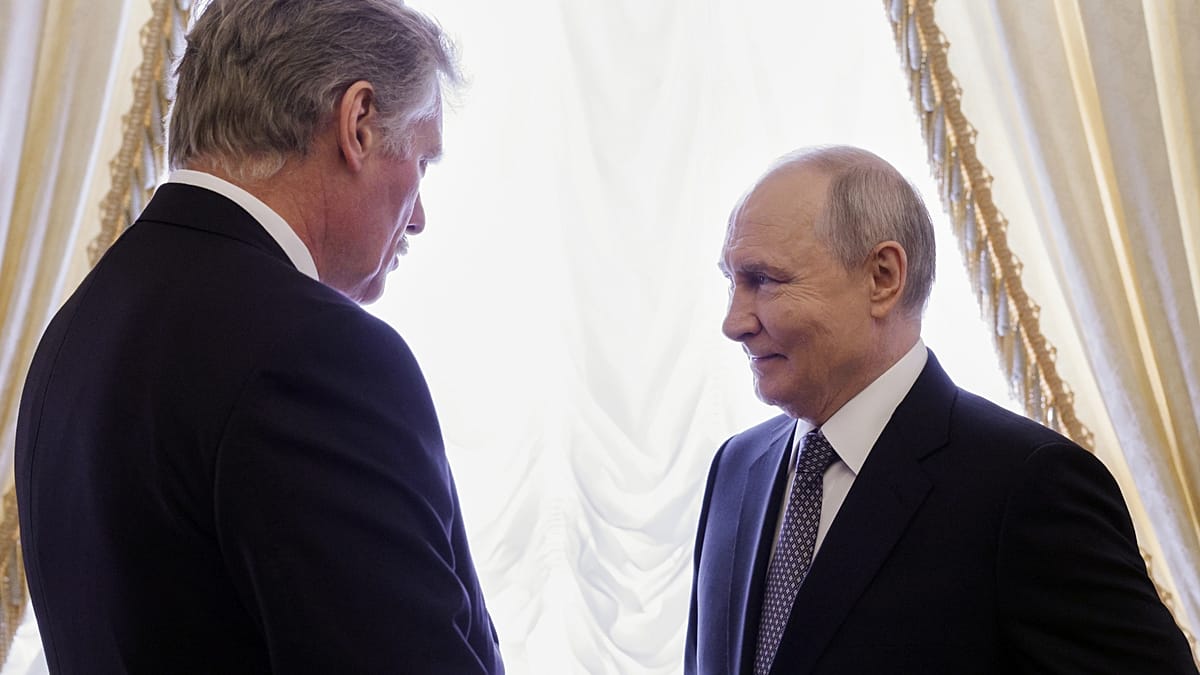


 3 sources
Morning Edition · Sunday, November 15, 2026Published at 12:16 AM EST · New York
Kremlin Says It Will Not Block a European Team at Ukraine Talks as Kushner Cites Ideas That Could Bring a Breakthrough
EU leaders have chosen Britain, France, Germany, Italy and Poland to represent Europe, and Canadian Prime Minister Mark Carney said Russia will not decide how Europe's security is organized.
Jared Kushner, President Donald Trump's special envoy, said the parties to the Ukraine talks had put forward new ideas. According to Kommersant, he said some of the ideas could lead to a breakthrough and others could form the basis for settling the remaining differences. He did not describe them. In September, Kushner said territory remained the hardest issue and that most of a deal would already be in place if Kyiv withdrew to the line Moscow demands.
Moscow has changed its position on who sits at the table. Dmitry Peskov, the Kremlin spokesman, said on Friday that Russia will not set conditions on who serves on Europe's negotiating team. He said it would be better to talk with the Europeans and see how far their position could help the peace process. Euronews noted that Moscow had previously insisted European representatives had no place in the talks. Peskov did not commit to including Europeans in the next round, even though US negotiators had said President Vladimir Putin agreed to it.
European Council President António Costa said EU leaders agreed that the E5 group of Britain, France, Germany, Italy and Poland, together with the bloc's institutions, will represent Europe. Europe still has no single negotiator and no agreed view on when direct talks should begin. Ukrainian President Volodymyr Zelensky said he expects Europe to settle its representation by the end of November.
Western governments are setting out their position before the talks. Mark Carney, Canada's prime minister, said only European countries and NATO, not Russia, will decide what Europe's security architecture looks like, Ukrinform reported. His statement repeats the North Atlantic Treaty Organization (NATO) position. It does not say who will enforce it if Washington and Moscow agree terms first.
Each side gains something from these statements. Moscow loses little by accepting a European presence it cannot prevent, and it gains a forum where European governments disagree with each other in front of American mediators. Washington gains partners to share the cost of any settlement. European capitals gain a seat at the table, though the format is one Washington set up.
Part of a tracked trend
Great Powers Negotiate Ukraine Over Europe's Head
Washington, Moscow and Beijing increasingly treat the end of the Ukraine war as a bargain among themselves, so European governments and Kyiv keep losing influence over the terms while being asked to fund the outcome.
Veracity: Corroborated
78/100- If true, who benefits
If Moscow accepts a European presence, the Kremlin gets a format in which it can deal with five European governments separately, and European capitals gain a say over frozen Russian assets and sanctions relief, which are their main financial leverage in any settlement.
- The nuance
Anadolu and TASS confirm Peskov's remark, and Sputnik confirms Kushner's. But Peskov also said Europe's negotiators have not yet contacted Moscow, and the Kremlin rejected an EU mediating role in May. Accepting Europeans in the room is not the same as giving them a role, and no disclosed idea changes the dispute over territory.
An open-source-intelligence read of how likely this story is true with its real nuance, not a judgment of any outlet. It assesses the claim, weighing independent and adversarial reporting. .
Synthesized from: Kommersant · Euronews · Ukrinform
Townsquare
Start a discussion in Townsquare.
More from this edition
- Houthi Missiles Target Riyadh and Iran Says Two Tankers Hit Mines Near Hormuz, Days After Oil's Second Weekly Loss
- Iran's Revolutionary Guards Say Six Drones Hit a US Radar in Bahrain, and Bahrain Says It Repelled the Attack
- Bitcoin Falls Below $63,000, 26% Under Its October Peak, as Fund Outflows and Forced Selling Continue
- Markets Price a December Fed Rate Increase as US Producer Prices Rise 6.5% in a Year
- Nvidia Faces Lawsuit Exposure and Security Questions After Jensen Huang's Exit, With Earnings and Anthropic's Stock Listing Due This Week
- Drones Hit Russia's Nizhnekamsk Refining Hub as Three Merchant Ships Are Struck Off Romania
- China Hosts APEC Leaders in Shenzhen This Week, as Lula Tells ASEAN Summit That Big Tech Power Threatens National Sovereignty
Comments
0No comments yet.