← The Global Intelligence Brief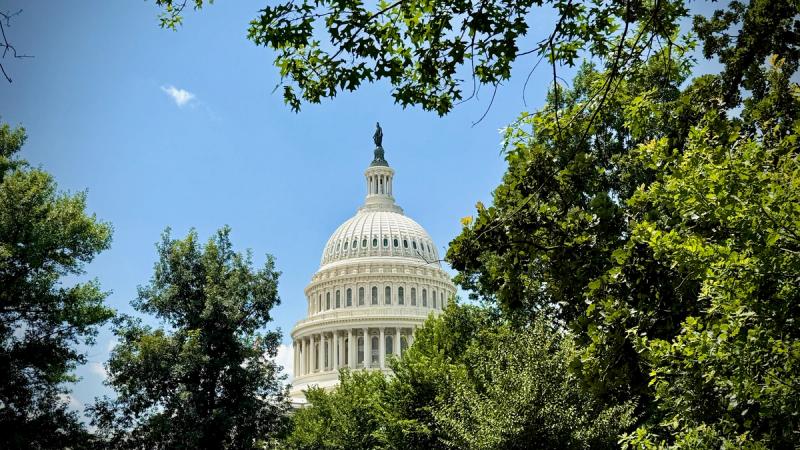
Morning Edition · Monday, November 16, 2026Published at 12:11 AM EST · New York
Bitcoin trades near $65,000 after a weekend drop to its lowest level since July
The token lost roughly 13% to 15% over seven days as US spot exchange-traded funds recorded seven straight sessions of outflows totaling $1.91 billion.
Bitcoin traded near $65,000 in Asian hours on Monday, within a 24-hour range of about $63,700 to $66,100, KuCoin's daily report showed. Over the weekend it briefly fell to about $62,000, its lowest level since July, crypto.news reported. The same report said US spot bitcoin exchange-traded funds (ETFs) recorded seven straight sessions of outflows totaling $1.91 billion. A widely followed sentiment gauge, the Fear and Greed Index, fell to 10, a reading of extreme fear. KuCoin lists bitcoin's all-time high at about $126,198, so the token now trades at roughly half that peak.
Bitcoin's decline tracked technology stocks more closely than gold. The Nasdaq fell 0.91% on Friday as chip stocks dropped, JournalArta reported. After Jensen Huang resigned from Nvidia, former bitcoin miners that now run AI data centers fell 5% to 10%, CoinDesk reported. Gold also fell as markets priced a December Fed increase, but bitcoin's weekly loss was several times larger.
Washington offers little support in the short term. With Democrats gaining after the midterm elections, industry insiders do not expect the final weeks of the current congressional session to produce crypto legislation, CoinDesk reported. Separately, CoinDesk found that prediction markets and opinion polls largely agreed by the end of the election cycle, and both missed some notable results.
Part of a tracked trend
Bitcoin Trades as a Risk Asset, Not Digital Gold
At each geopolitical or inflationary stress point, bitcoin keeps trading with liquidity-sensitive risk assets rather than with monetary metals, so the digital-gold framing continues to fail exactly when investors most want it to hold.
What this means
Bitcoin is falling for the same reasons growth stocks are falling. A Fed increase is close to fully priced, the dollar is firm, and the AI stocks that crypto investors also hold are under pressure. ETF outflows turn that pressure into direct selling. Exposed holders include leveraged traders, companies that keep bitcoin on their balance sheets, and miners that borrowed to build AI data centers. The consensus treats this as a crypto-specific sell-off. The evidence points to a liquidity trade: bitcoin is moving with the Nasdaq and with AI infrastructure stocks, not with gold. The 2022 Fed tightening cycle is the documented precedent. Bitcoin fell about three-quarters from its peak as rates rose and only recovered after markets began to price rate cuts. The desk expects bitcoin to keep trading with technology stocks through the December Fed meeting, as long as rate expectations keep rising. If bitcoin rises while the Nasdaq falls in the weeks around the Fed decision, this read is wrong, because that would be the first sign of the separation from risk assets its supporters claim.
What to watch
- Daily flows into and out of US spot bitcoin ETFs. A return to inflows would show institutional buyers stepping back in.
- How bitcoin and the Nasdaq move on the day Nvidia reports earnings. If they move together, that confirms bitcoin is trading as a technology-risk asset.
- The financing costs and share prices of former miners now running AI data centers. Their debt connects crypto to the wider strain on funding for AI spending.
Observations to monitor, not financial advice.
Townsquare
Start a discussion in Townsquare.
More from this edition
- Gold falls below $3,900 and silver hits a yearly low as markets price a December Fed rate increase
- Nvidia's leadership crisis reaches Washington as Huang weighs a return and Bessent demands answers
- China's October retail sales grow 0.4% and factory output slows to 4.8%, both below forecasts
- Saudi-backed Yemeni forces withdraw from Bab el-Mandeb, leaving the Houthis in control of the Red Sea's southern entrance
- Kremlin says Putin, Xi and Trump will meet in Shenzhen on November 19 as Europe seeks a seat at Ukraine talks
- Bank of Japan's Takata urges an early rate increase as the economy shrinks and the yen weakens past 160 per dollar
- Brent holds near $95 as traders weigh a forecast supply surplus against Iranian claims of tanker mine strikes in Hormuz
Comments
0No comments yet.