← The Global Intelligence Brief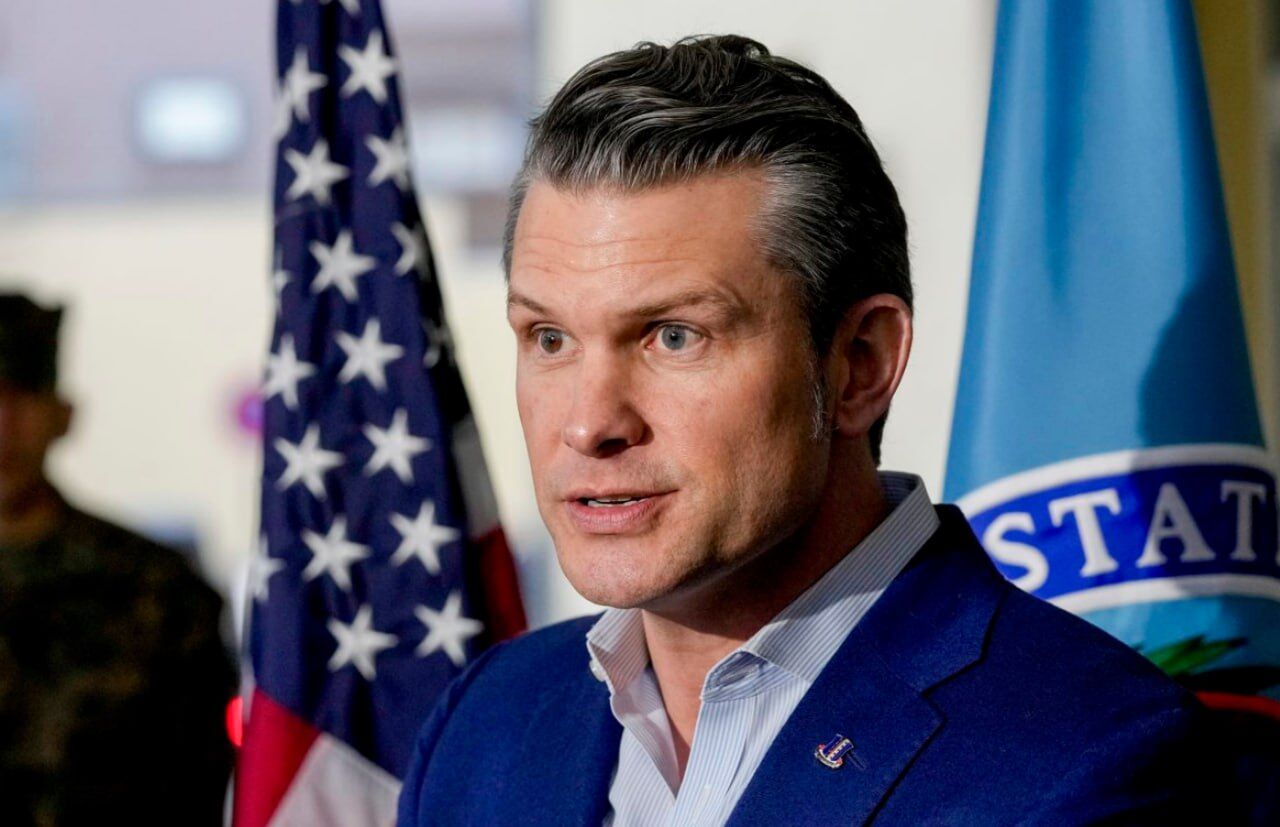
Morning Edition · Saturday, November 21, 2026Published at 12:16 AM EST · New York
Hegseth Memo Restricts US Defense Cooperation With Canada as Middle Powers Widen Their Security Options
The Pentagon says intelligence sharing, North Atlantic Treaty Organization work and the North American Aerospace Defense Command are not affected, but the classified directive arrives as allies from Ottawa to Tokyo build ties outside Washington.
Pete Hegseth, the US secretary of war, has placed new limits on defense cooperation with Canada through a classified memo issued last week. Iran's state agency IRNA reported this, citing a Washington Post report based on several US officials. China's Xinhua also carried the report. Both state agencies have an interest in publicizing divisions inside the Western alliance, and both stayed close to the Post's account. It is unclear which programs, exercises or coordination channels the memo covers.
Sean Parnell, the Pentagon spokesman, said the department is "taking steps to ensure its engagements with Canada advance tangible U.S. defense objectives." He said the directive will not affect intelligence sharing or cooperation through the North Atlantic Treaty Organization (NATO) and the North American Aerospace Defense Command (NORAD). One US official told the Post that Canadians would likely see the memo as "a slap in the face." The Post placed the memo in a wider dispute that includes Trump's repeated talk of making Canada a US state.
The Japan Times argues that while Trump courts Xi and Putin, middle powers are making their own moves. New alliances give them alternative markets, and new defense agreements give them more security options. On that reading, Washington's pressure on Canada and its summitry with Beijing and Moscow lead allies to spread their bets.
The trend does not move only one way. Russia's Kommersant, citing Kyodo News, reported that 93% of Japanese view current relations with China negatively, up 6.6 percentage points from last year. Japan is diversifying its partners, but its public is moving further from Beijing, not closer to it. Middle powers are adding options outside Washington without moving to the other side.
Part of a tracked trend
Middle Powers Build Security Blocs Outside Washington
States that once relied on American guarantees keep forming their own mutual defense arrangements, redirecting arms procurement away from Western suppliers and creating overlapping commitments that make regional crises harder to contain.
Townsquare
Start a discussion in Townsquare.
More from this edition
- S&P 500 and Dow Enter a Correction as Fed Hike Bets and the Nvidia Crisis Drive a 3.7% Friday Sell-Off
- Two Russian Kh-101 Missiles and a Drone Fall in Eastern Poland as Tusk Calls It an "Intentional Provocation"
- Bitcoin Falls Below $57,000 for the First Time in Two Years as Gold Drops to a 14-Month Low
- Nvidia Shares Fall 14% on Report of an SEC Accounting Probe as Trump Urges the Board to Reinstate Jensen Huang
- Trump, Xi and Putin Issue a Four-Point Shenzhen Declaration That Pledges More Refined Fuel but Says Nothing on Ukraine
- Saudi-Led Coalition Intercepts Three Houthi Missiles Aimed at Riyadh as the Houthis Threaten Saudi Ports and Power Plants
- Brent Posts a Third Weekly Loss Near $92 as Hormuz Flows Recover and Surplus Forecasts Mount
Comments
0No comments yet.