← The Global Intelligence Brief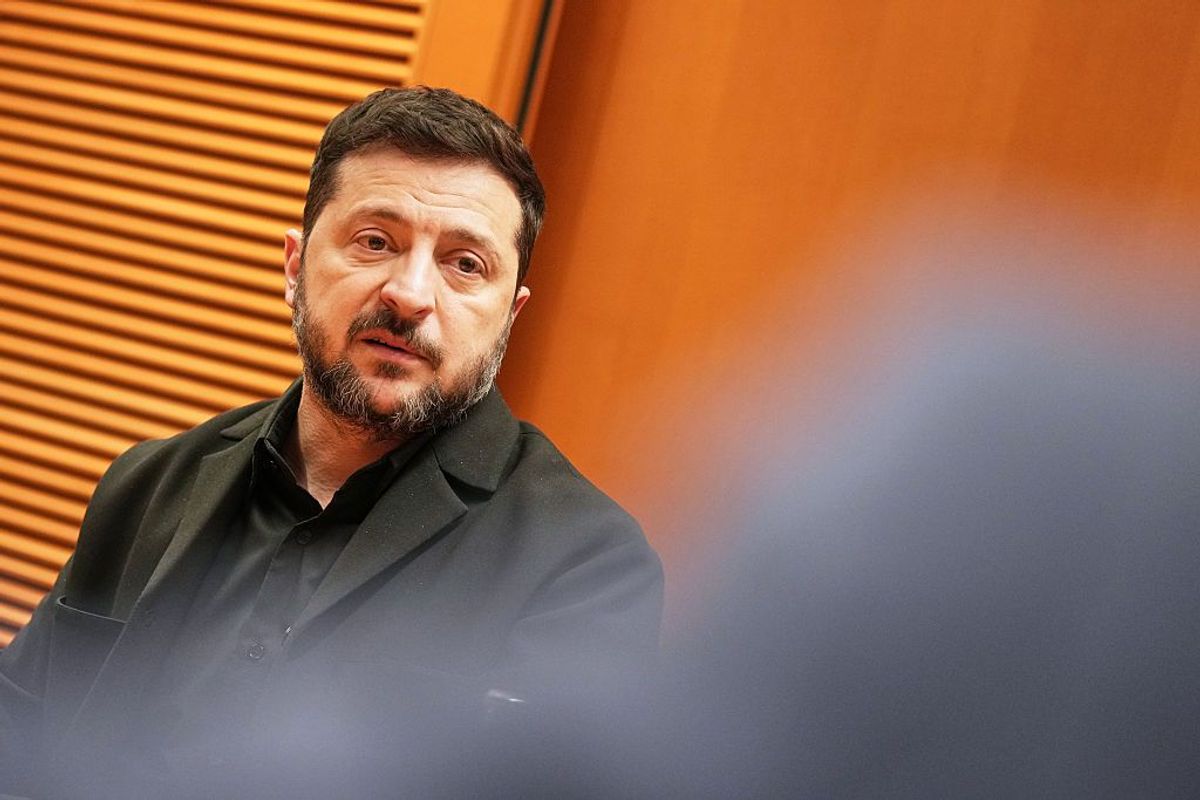
Morning Edition · Saturday, November 21, 2026Published at 12:16 AM EST · New York
Ukraine Strikes the Crimean Bridge Three Times in a Week as Russia Launches Up to 200 Drones a Night
A road arch collapsed after the November 17 attack, and Zelensky said the bridge "will not stay" while accusing Russia of more repeat strikes on rescue crews.
Ukrainian forces attacked the bridge linking Crimea to Russia on November 16, 17 and 19, Meduza reported. The third attack hit the rail section on the night before the Shenzhen meeting of Putin, Trump and Xi. After the November 17 strike, an arch of the road section fell and traffic stopped. Russia's Investigative Committee opened a terrorism case. Oleg Kryuchkov, an adviser to the Russian-installed head of Crimea, said supply chains were unaffected because the bridge was barely used for food, goods and fuel. Kremlin spokesman Dmitry Peskov said the bridge would be rebuilt "even better than before."
Ukrainian President Volodymyr Zelensky said Putin must understand that the bridge "will not stay." He also said Russia is increasing double-tap strikes (repeat strikes on the same site after rescuers arrive) and carrying out triple-tap strikes to "kill as many people as possible." Yurii Ihnat, spokesman for Ukraine's air force, said Russia launches up to 200 attack drones at night and more than 100 during the day, and that on some days jet-powered drones make up as much as 95% of the total. Jet drones are faster and harder to intercept than the propeller types Russia used before.
Pepe Escobar, a commentator writing from Shenzhen, claimed that Putin vowed "massive" retaliation for the bridge attacks and that China is shipping "very sensitive" weapons material to Iran through Pakistan. No official source or other outlet has confirmed either claim.
Both sides make wartime claims that serve their aims. Kyiv wants the bridge attacks seen as a strategic success, and Moscow wants them seen as a failed act of terror with no logistics effect. Crimea's own officials say the island now depends mainly on the land route through Russian-held southern Ukraine. If that is true, the bridge's value to Russia is now more symbolic than logistical, and Ukraine's strikes aim at Moscow's political standing as much as at its supply lines.
Part of a tracked trend
Ukraine's Deep Strikes on Russian Energy and Logistics
Ukraine sustains a campaign against Russian refineries and supply lines over the next 3-6 months, pressuring Moscow's oil revenue while Russia retaliates against Ukraine's grid.
Townsquare
Start a discussion in Townsquare.
More from this edition
- S&P 500 and Dow Enter a Correction as Fed Hike Bets and the Nvidia Crisis Drive a 3.7% Friday Sell-Off
- Two Russian Kh-101 Missiles and a Drone Fall in Eastern Poland as Tusk Calls It an "Intentional Provocation"
- Bitcoin Falls Below $57,000 for the First Time in Two Years as Gold Drops to a 14-Month Low
- Nvidia Shares Fall 14% on Report of an SEC Accounting Probe as Trump Urges the Board to Reinstate Jensen Huang
- Trump, Xi and Putin Issue a Four-Point Shenzhen Declaration That Pledges More Refined Fuel but Says Nothing on Ukraine
- Saudi-Led Coalition Intercepts Three Houthi Missiles Aimed at Riyadh as the Houthis Threaten Saudi Ports and Power Plants
- Brent Posts a Third Weekly Loss Near $92 as Hormuz Flows Recover and Surplus Forecasts Mount
Comments
0No comments yet.