← The Global Intelligence Brief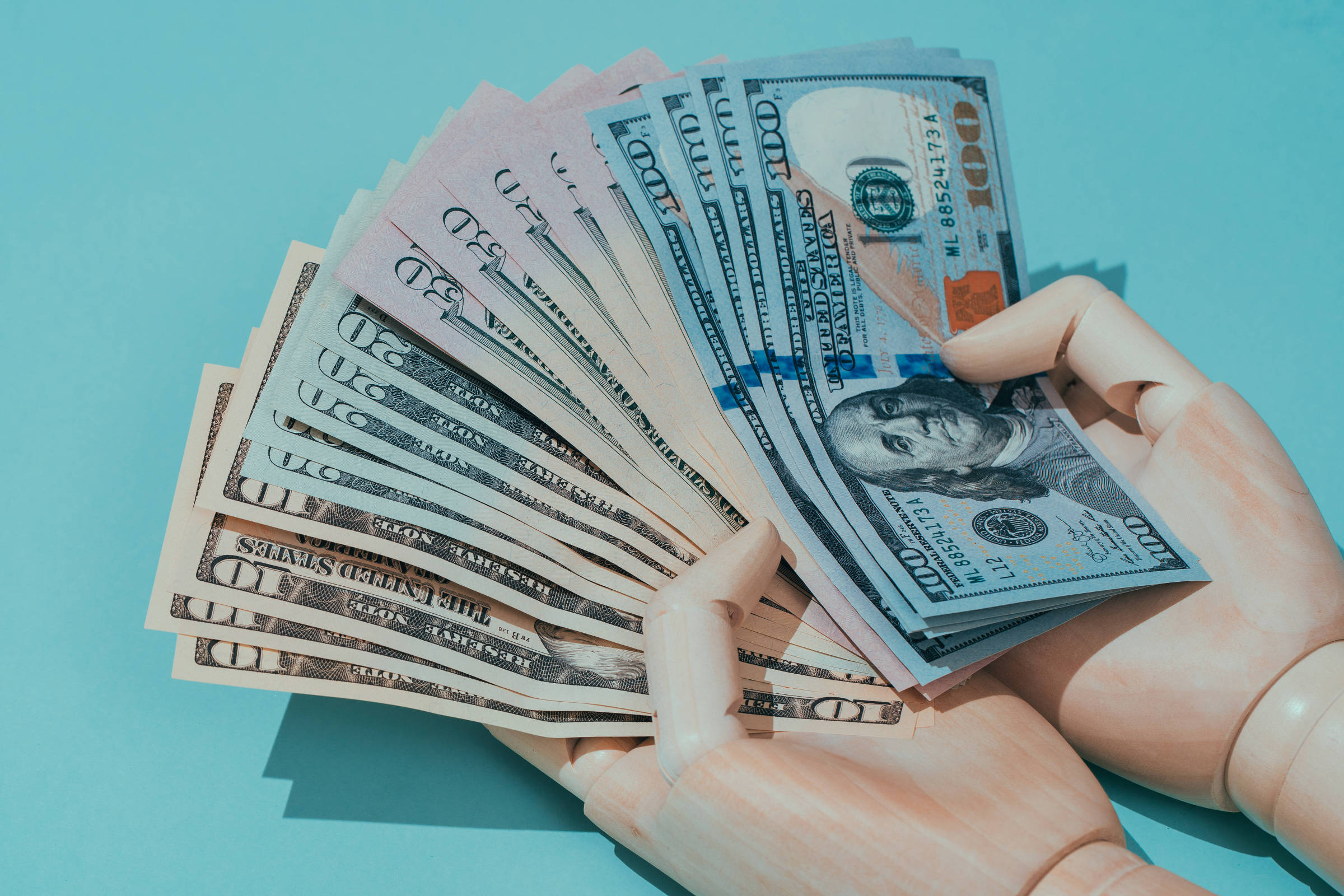
Morning Edition · Monday, November 23, 2026Published at 12:10 AM EST · New York
Brazil's Real Falls 17.65% Since Lula's Re-Election, the Steepest Drop Among the 20 Most-Traded Currencies
The dollar traded near 5.95 reais on Friday as investors questioned the government's fiscal package and priced a December Fed hike, while jailed former president Jair Bolsonaro was in intensive care.
The Brazilian real has lost 17.65% since Luiz Inácio Lula da Silva won re-election. That is the largest decline among the 20 most-traded currencies on the Bank for International Settlements (BIS) list, Folha reports. The paper says the fall has pushed Brazilians toward assets that protect against currency losses. The dollar closed at 5.9491 reais on November 20. That compares with about 4.98 reais in late October. The largest single move, an 8.79% jump, came on October 26, the day after the runoff.
Local market commentary points mainly to fiscal policy. Analysts have cited uncertainty over the government's spending package and over who will run the economy in Lula's next term. They also cite the expected US rate hike. Congress approved the package, which has an estimated effect of up to 60 billion reais in 2027, and the real kept falling. Interest-rate futures maturing in January 2031 reached 15.265% intraday on November 19.
Politics on the right has become less predictable. Bolsonaro, 71, is in intensive care with an intestinal obstruction. The DF Star hospital in Brasília said he is clinically stable. MercoPress reports that he is serving a 27-year sentence under house arrest for plotting a coup.
Argentina shows a different pattern. Clarín reports that the Argentine peso is strong by historical and regional standards. It is stronger than in November 2023, yet the country has a trade surplus, record exports and a central bank that is buying dollars. Investors are treating the two neighbours differently, and the difference follows fiscal discipline more than politics.
From a sound-money view, Brazil pays about 15% on long-term local borrowing and still runs deficits that its own markets question. The exchange rate is the price where that doubt shows up first.
Part of a tracked trend
Emerging-Market Elections Turn on Fiscal Credibility
In large emerging markets, polarised elections keep making fiscal rules and congressional arithmetic, rather than the identity of the winner, the main determinant of currency and local-rate pricing.
Townsquare
Start a discussion in Townsquare.
More from this edition
- Artificial-Intelligence Sell-Off Spreads to Asia as Kospi Falls More Than 5% and Hong Kong Hits a 19-Month Low
- Traders Price a December Fed Rate Hike as the Dollar Holds Near a 19-Month High
- Gold Rebounds About 2% From a 14-Month Low as Bitcoin Recovers Toward $61,000
- Bessent Does Not Rule Out Jensen Huang's Return to Nvidia as the Chipmaker Faces Spy and Accounting Inquiries
- Israeli Military Intelligence Warns Netanyahu That a Unilateral Strike on Iran Could Open Several Fronts
- Brent Holds Near $92 as Ukraine Hits a Southern Russian Refinery and Surplus Forecasts Weigh on Crude
- Russian Corvette Sinks at Benghazi Port After a Suspected Ukrainian Sea-Drone Attack
Comments
0No comments yet.