← The Global Intelligence Brief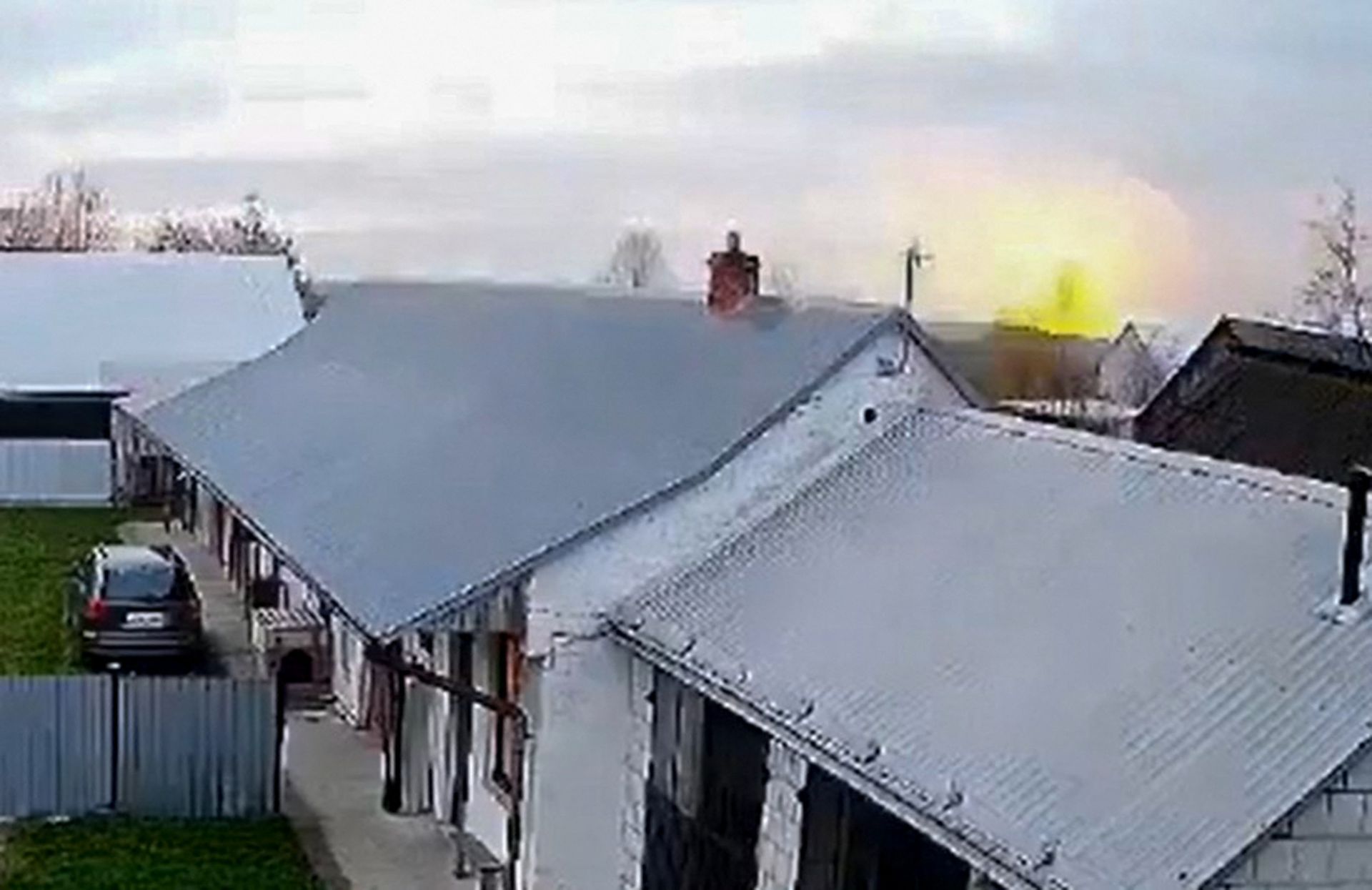
Morning Edition · Monday, November 23, 2026Published at 12:10 AM EST · New York
Polish Prosecutors Find Russian Kh-101 Missile Debris at Three Sites in Eastern Poland
The finds follow a Russian strike on Ukraine that crossed into Polish airspace. Cyprus has expelled two Russian diplomats on suspicion of espionage, and the Kremlin says a new round of talks with Washington and Kyiv is coming.
The Lublin District Prosecutor's Office said debris from Kh-101 cruise missiles was found at three sites in eastern Poland: Nowy Lipowiec, Rudnik and Mołodycz. Prosecutor Andrzej Boroń said the missile recovered at Nowy Lipowiec was made in the fourth quarter of 2026, reportedly near Moscow. Polish reports differ on details. Defense Minister Władysław Kosiniak-Kamysz first said the object at Mołodycz might have been a jet-powered drone. A later prosecutors' statement said Kh-101 debris was found at all three sites.
This has happened before. On July 30, a Kh-101 flew about 100 kilometers over Poland and exploded in a field in the Lublin region. Warsaw then protested to the Russian ambassador. The reports reviewed contain no Russian comment on the latest finds.
Russian activity in the European Union (EU) is drawing responses elsewhere too. Cyprus expelled two Russian diplomats suspected of espionage, according to Politico as cited by Ukrinform. Russian state media is targeting the EU's neighbours with its own message. TASS quoted Marina Tauber, a former member of Moldova's parliament, who said Russia, unlike Europe, always treated Moldova as an equal and never encroached on its identity.
Diplomatic contacts are continuing. Kremlin spokesman Dmitry Peskov said a new round of three-way talks with the United States and Ukraine will happen soon but gave no dates. Moscow is talking with Washington while its missiles keep landing on the territory of a North Atlantic Treaty Organization (NATO) member, and NATO has not invoked collective defense. That pattern supports the desk's view that Russia tests how much NATO will tolerate and that the alliance's frontline members and Washington assess the danger differently.
Part of a tracked trend
Russia Tests NATO's Eastern Flank
Russian missiles, drones and aircraft will keep entering the airspace of NATO and EU frontline states (Poland, Finland, the Baltics, Moldova), testing Article 4 and 5 thresholds while Washington plays down the incidents. Each incident raises European air-defense demand and frontline-state risk premia, and widens the gap between US and European threat assessments.
Townsquare
Start a discussion in Townsquare.
More from this edition
- Artificial-Intelligence Sell-Off Spreads to Asia as Kospi Falls More Than 5% and Hong Kong Hits a 19-Month Low
- Traders Price a December Fed Rate Hike as the Dollar Holds Near a 19-Month High
- Gold Rebounds About 2% From a 14-Month Low as Bitcoin Recovers Toward $61,000
- Bessent Does Not Rule Out Jensen Huang's Return to Nvidia as the Chipmaker Faces Spy and Accounting Inquiries
- Israeli Military Intelligence Warns Netanyahu That a Unilateral Strike on Iran Could Open Several Fronts
- Brent Holds Near $92 as Ukraine Hits a Southern Russian Refinery and Surplus Forecasts Weigh on Crude
- Brazil's Real Falls 17.65% Since Lula's Re-Election, the Steepest Drop Among the 20 Most-Traded Currencies
Comments
0No comments yet.