← The Global Intelligence Brief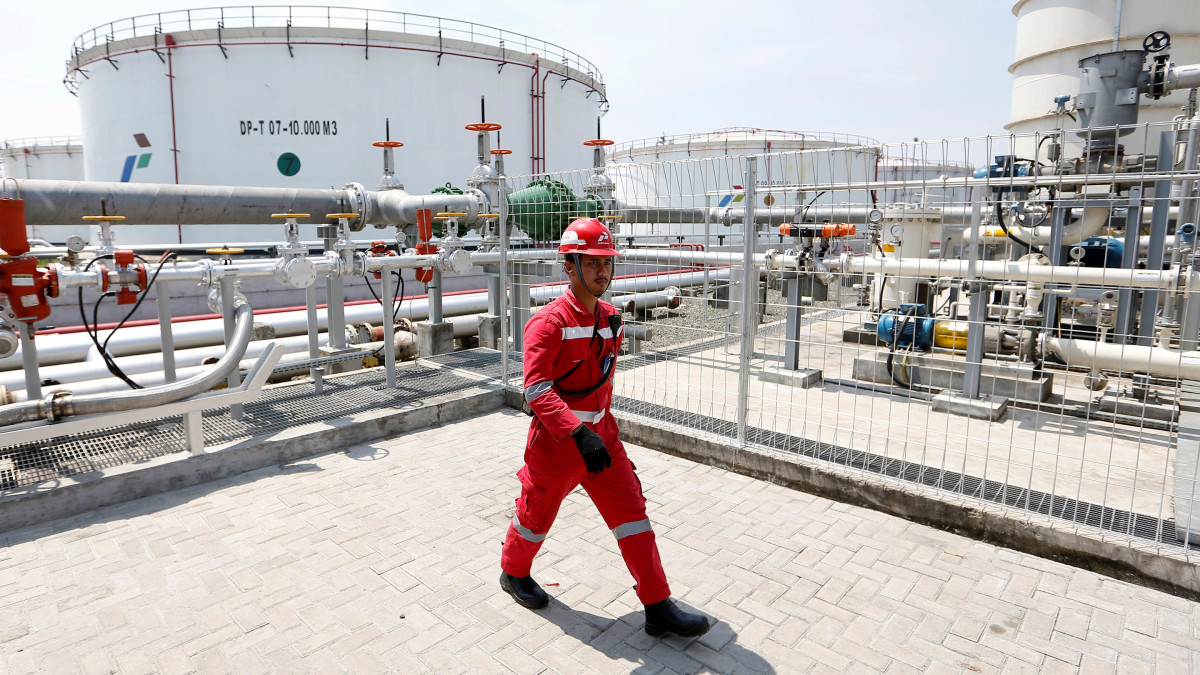
Morning Edition · Monday, November 23, 2026Published at 12:10 AM EST · New York
Brent Holds Near $92 as Ukraine Hits a Southern Russian Refinery and Surplus Forecasts Weigh on Crude
Drones set fire to the Novoshakhtinsk refinery in Rostov region overnight. The Kremlin said new US-Russia-Ukraine talks would come soon but gave no dates, and US crude, fuel and gas exports reached records this year.
Crude has traded in a narrow range for several sessions. Forecasts of a coming surplus offset continued attacks and stalled Middle East diplomacy. Several energy-agency reports this month have pushed expectations toward oversupply. Brent was near $92 a barrel on Monday. Trading Economics data show it down about 15% over the past month.
Russia's oil supply came under attack again overnight. The Kyiv Independent reported that the Novoshakhtinsk refinery was burning after a Ukrainian drone attack. It also reported a fire at a pumping station in Tatarstan. The outlet describes the refinery as an important supplier of fuel to southern Russia and to the Russian armed forces. Ukrainian outlets relied on monitoring channels on Telegram. They reported a fire at a storage tank and said that local Russian authorities had not commented. Ukraine also struck the plant in June and September of this year.
Diplomacy has not slowed the strikes. Kremlin spokesman Dmitry Peskov said a new round of talks between Russia, the United States and Ukraine will take place soon, but that no dates are set. The previous round in Abu Dhabi on November 10 and 11 produced an agreement on a large prisoner exchange, according to Russian delegation head Vladimir Medinsky.
The United States is supplying more of the world's energy. American exports of crude, fuels and liquefied natural gas (LNG) reached records this year, according to OilPrice. The outlet credits rising output and the shift in trade flows caused by the war in Iran. Brent rose toward $93 last week on reports of possible further US strikes on Iran. That shows the Gulf risk is still in the price.
The surplus forecasts focus on crude, which may be why they understate the risk. When Russian refineries stop, Russia has more crude to export and less diesel and gasoline. That tightens fuel markets more than it tightens crude.
Part of a tracked trend
Ukraine's Deep Strikes on Russian Energy and Logistics
Townsquare
Start a discussion in Townsquare.
More from this edition
- Artificial-Intelligence Sell-Off Spreads to Asia as Kospi Falls More Than 5% and Hong Kong Hits a 19-Month Low
- Traders Price a December Fed Rate Hike as the Dollar Holds Near a 19-Month High
- Gold Rebounds About 2% From a 14-Month Low as Bitcoin Recovers Toward $61,000
- Bessent Does Not Rule Out Jensen Huang's Return to Nvidia as the Chipmaker Faces Spy and Accounting Inquiries
- Israeli Military Intelligence Warns Netanyahu That a Unilateral Strike on Iran Could Open Several Fronts
- Brazil's Real Falls 17.65% Since Lula's Re-Election, the Steepest Drop Among the 20 Most-Traded Currencies
- Russian Corvette Sinks at Benghazi Port After a Suspected Ukrainian Sea-Drone Attack
Comments
0No comments yet.