← The Global Intelligence Brief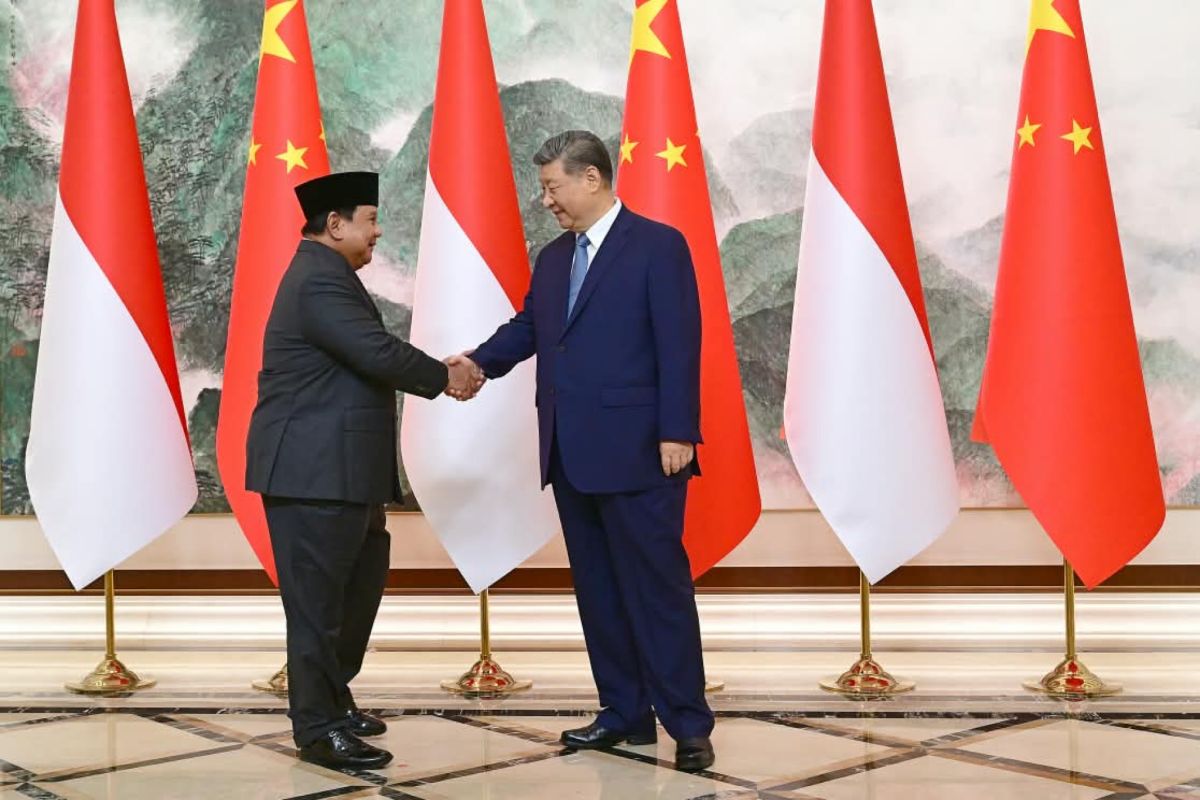
Morning Edition · Wednesday, November 25, 2026Published at 12:06 AM EST · New York
Indonesia signs $86.8 billion in deals with China as Australia becomes the Solomon Islands' primary security partner
In Canada, the opposition leader attacked Prime Minister Mark Carney's push for closer ties with Beijing, saying China cannot replace the United States as Canada's largest customer.
Indonesian President Prabowo Subianto's November visit to China produced trade and investment agreements worth $86.8 billion, Indonesia's state news agency Antara reported. The figure comes from Jakarta, which has an interest in presenting the trip as a success. Agreement totals of this kind usually include memorandums of understanding that may never turn into investment. Even so, the scale shows that Southeast Asia's largest economy is tying its industrial plans more closely to Chinese capital.
In the Pacific, security ties are moving the other way. A new treaty names Australia as the Solomon Islands' "primary security partner," The Japan Times reported, and described the move as Canberra pushing Beijing out of a Pacific position. The Solomon Islands signed a security agreement with China in 2022, which alarmed Canberra and Washington. The new treaty gives Australia precedence in policing and defense, although Honiara can still accept Chinese money for commercial projects.
The same choice is now a domestic political issue in Canada. Conservative leader Pierre Poilievre criticized Prime Minister Mark Carney for seeking closer ties with Beijing and said Canada "cannot replace our number one customer," the United States, according to The Epoch Times, republished by ZeroHedge. Carney's government is looking for trade partners other than the United States as US tariffs rise. Poilievre's argument rests on trade data: Canada sends most of its exports south of the border.
The three cases follow one pattern. Middle powers are not choosing one camp. They are separating their economic ties from their security ties. Indonesia takes Chinese capital while keeping its non-aligned position. The Solomon Islands accepts Australian security while staying open to Chinese commerce. Canada wants Chinese trade while relying on US defense. This supports the desk's thesis that the United States and China are the two superpowers. It also shows that smaller states gain more bargaining power by keeping both relationships open.
Part of a tracked trend
Middle Powers Split Commerce from Security
Mid-sized states will keep separating their economic ties with China from their security ties with the United States and its allies, signing parallel deals with both, which widens their bargaining power and makes any clean bloc division of trade and investment unlikely.
Townsquare
Start a discussion in Townsquare.
More from this edition
- Asian chip stocks fall sharply as doubts over AI spending and bets on a Fed rate increase hit Seoul, Taipei and Tokyo
- Gold falls about 2% as traders price a near-certain December rate increase by the Federal Reserve
- Iran says mines struck tankers near Hormuz as Brent crude swings around $91
- Tehran rejects US plan to widen its blockade as Israeli officials debate another strike on Iran
- Washington prepares new tariffs on India and 15 other economies after trade investigations
- Ukrainian drones hit Samara refineries as Kyiv's attacks on Russian assets reach Libya
- Trump says he would pardon Nvidia's Huang as a US jury convicts Huawei of trade-secret theft
Comments
0No comments yet.