← The Global Intelligence Brief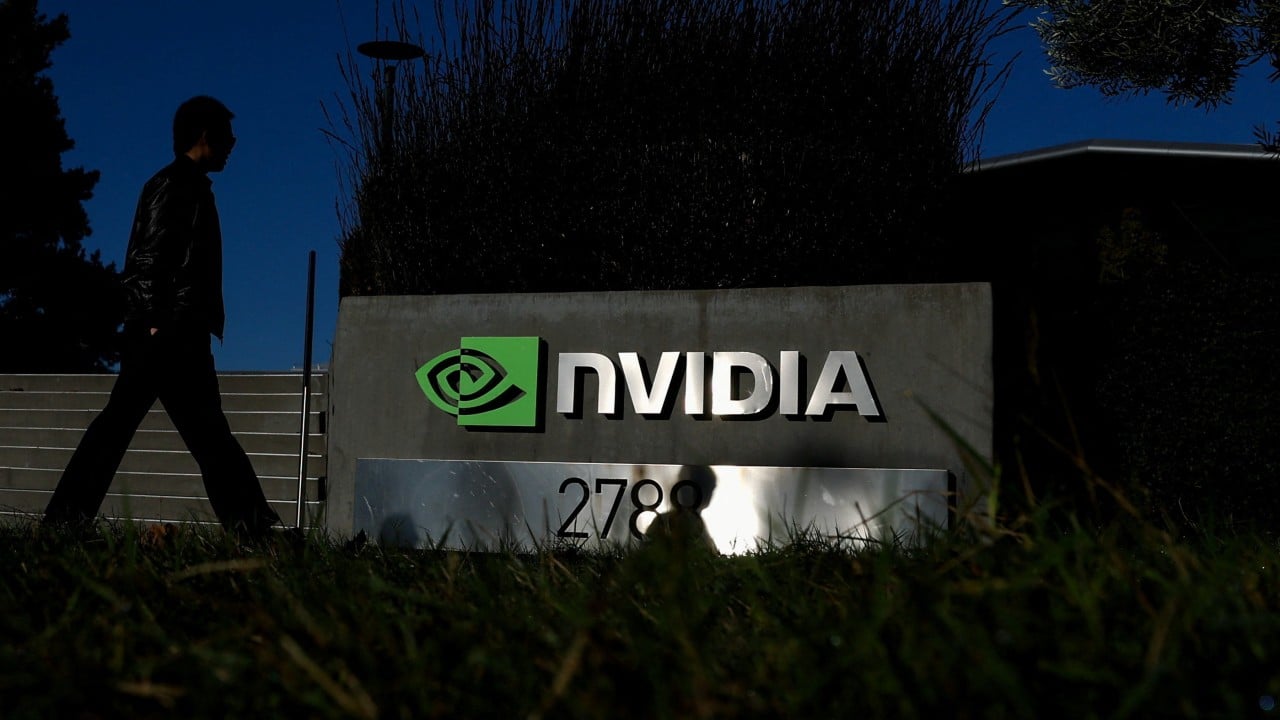
Morning Edition · Wednesday, November 25, 2026Published at 12:06 AM EST · New York
Trump says he would pardon Nvidia's Huang as a US jury convicts Huawei of trade-secret theft
Huang told employees he broke Nvidia's code of conduct and denied that Trump pressured the board to bring him back, while analysts say his return will not ease US export curbs on China.
President Donald Trump told the New York Post he is willing to pardon Jensen Huang, the chief executive of Nvidia, over legal exposure tied to the affair scandal that forced Huang's temporary resignation, but said he does not think Huang needs one, CoinDesk reported. A president who publicly offers to protect the head of the world's most valuable chipmaker is treating the company's leadership as a state concern.
Huang addressed staff for the first time since his reinstatement. He apologized and admitted he had violated the company's code of conduct, Globes reported. According to the Israeli business daily, Huang said he attends therapy for an hour and a half every day, described a difficult conversation with his wife, argued that Nvidia does not need to name a successor in advance, and rejected the claim that Trump pressured the board to reinstate him. The refusal to name a successor leaves a company central to the AI supply chain dependent on one person.
His return does not change US policy toward China. Analysts told the South China Morning Post that Huang's reinstatement may calm leadership concerns but is unlikely to ease US export restrictions on China, because national-security scrutiny in Washington is increasing. Earlier reporting adds a conflict-of-interest question. CNBC found that Trump's accounts traded up to $97.5 million in Nvidia stock. The White House says independent advisers manage the portfolio.
On the Chinese side, a US federal jury found Huawei guilty of stealing trade secrets but acquitted it of racketeering, Euronews reported. Huawei said the acquittal "confirms that these allegations lack factual basis and vindicates our consistent position over the past eight years." The split verdict lets both governments claim a result. Washington gets a conviction on intellectual-property theft, and Beijing can say the broadest charge failed. US courts are now part of the contest over technology between the two countries, alongside export controls.
Part of a tracked trend
AI Chips as a National-Security Asset
Townsquare
Start a discussion in Townsquare.
More from this edition
- Asian chip stocks fall sharply as doubts over AI spending and bets on a Fed rate increase hit Seoul, Taipei and Tokyo
- Gold falls about 2% as traders price a near-certain December rate increase by the Federal Reserve
- Iran says mines struck tankers near Hormuz as Brent crude swings around $91
- Tehran rejects US plan to widen its blockade as Israeli officials debate another strike on Iran
- Washington prepares new tariffs on India and 15 other economies after trade investigations
- Ukrainian drones hit Samara refineries as Kyiv's attacks on Russian assets reach Libya
- Japan's services producer prices rise 4.2% in October
Comments
0No comments yet.