← The Global Intelligence Brief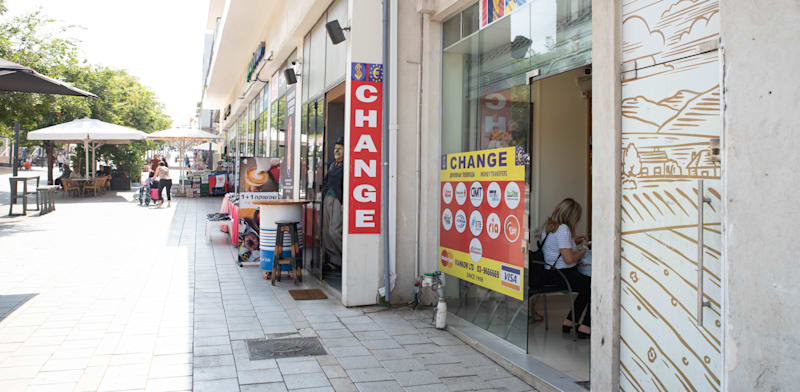
Evening Edition · Sunday, May 31, 2026Published at 11:57 AM EDT · New York
A Weak Dollar Keeps the Hard-Money Trade Intact Even as Metals Cool
Gold near 4,535 dollars and silver near 76 dollars remain below their January peaks. The shekel reached its strongest level against the dollar since 1993, and a Russian court ruling tests the Western system for freezing assets.
The bet on currency debasement that has defined this year remains in place even after a pullback in metals. The US Dollar Index closed Friday near 98.97, soft by historical standards, and gold traded around $4,535 an ounce with silver near $76, still up sharply over the past year. Both trade below their January peaks, which reporting put at an all-time high of about 5,595 dollars for gold and 121.67 dollars for silver before the appointment of Kevin Warsh, known for hard-money views, to lead the Federal Reserve prompted a dollar rebound.
The strain shows up in currencies. The shekel reached its strongest level against the dollar since 1993, and the Bank of Israel cut its benchmark interest rate to 3.75 percent, citing a stronger currency and the prospect of a Hormuz reopening. Israeli money changers report an unusual shortage of physical dollars, which Globes attributes to supply-chain disruptions and to customers rushing to buy at the low exchange rate. Globes also reports that investors are betting on an imminent US-Iran deal and on a further Israeli rate cut.
A separate dispute is centered in Moscow. A Russian court has ordered the Belgian clearing house Euroclear to pay roughly 250 billion dollars over frozen Russian reserves, and the European Union is preparing support measures for Euroclear, according to reporting cited by BFM.ru. Euroclear rejects the court's jurisdiction and says the assets remain blocked under sanctions.
From the perspective of the Austrian school of economics, the pattern is consistent. Years of credit expansion and a rising debt load have driven central banks and savers to diversify away from the dollar, and the decline in metals prices looks like a pause in that shift rather than its end. The Euroclear dispute points to a parallel trend, the slow division of a single, trusted global financial infrastructure into rival systems.
What this means
A persistently weak dollar supports hard assets and the currencies of fiscally disciplined economies, but the decline in metals prices since January shows the trade does not move in only one direction. The Euroclear dispute matters beyond Russia because any precedent that frozen reserves can be reclaimed, or that holding assets in a Western depository carries political risk, changes how governments store sovereign wealth globally.
What to watch
- The Dollar Index and whether it holds below 99 or strengthens on Federal Reserve guidance
- Bank of Israel signals on a further rate cut and any move to slow shekel appreciation
- How the European Union structures support for Euroclear and whether other depositories are drawn in
Observations to monitor, not financial advice.
Townsquare
Start a discussion in Townsquare.
More from this edition
- Oil Falls as a US-Iran Framework Nears, Promising to Reopen Hormuz
- Israel Captures Beaufort Castle and Pushes North of the Litani in Lebanon
- US Tells Asian Allies to Spend 3.5 Percent of Output on Defense
- Bitcoin's Shrinking Volatility Is Framed as a Sign of Maturity
- An Analyst Reads US Energy Strategy as a Quiet Contest With China
- Colombia Votes in a Tight Race That Will Test Investor Sentiment
- Satellite Images Show Israel Expanding Control Over Southern Gaza
- China Marks 20 Years of a Domestic Jet Engine That Cut Reliance on Imports
Comments
0No comments yet.