← The Global Intelligence Brief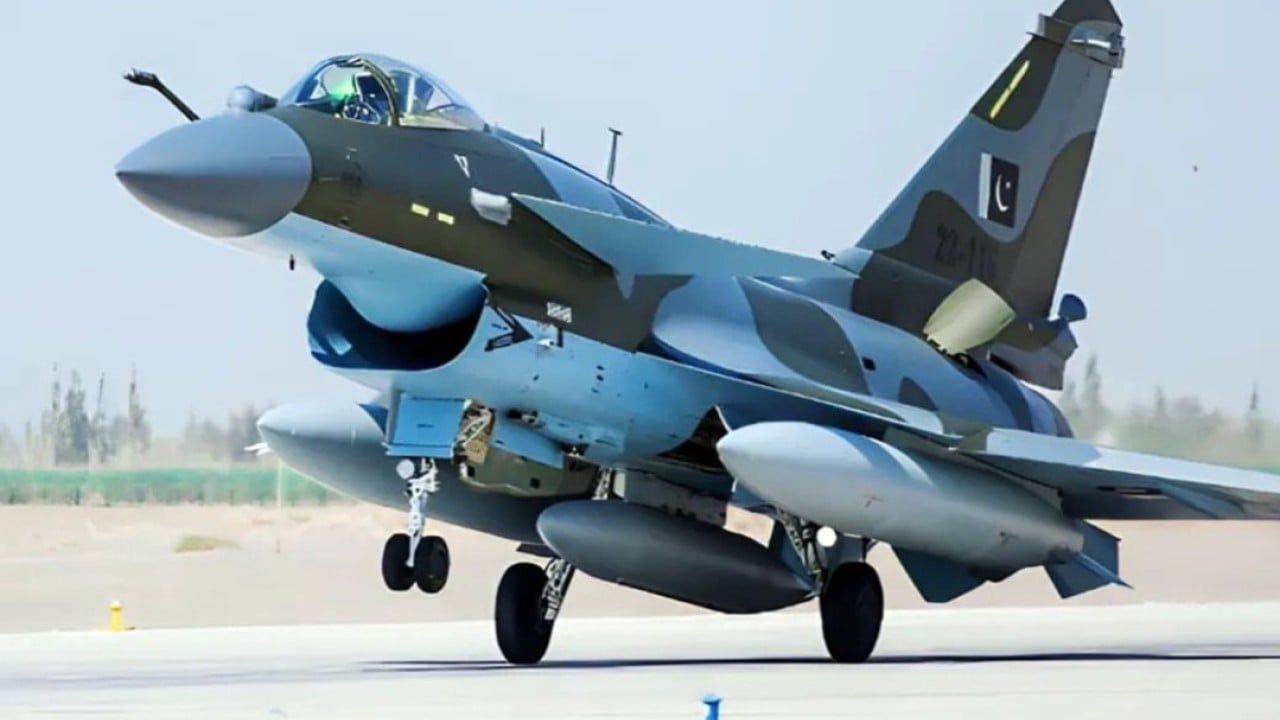
 1 source
Evening Edition · Sunday, May 31, 2026Published at 11:57 AM EDT · New York
China Marks 20 Years of a Domestic Jet Engine That Cut Reliance on Imports
The WS-10 turbofan allowed Beijing to power its fighter jets without foreign engines, a milestone in its push for technological self-sufficiency that now extends to critical minerals.
China marked the 20th anniversary of completing the WS-10, its first domestically developed high-thrust turbofan engine for fighter jets, which the South China Morning Post says helped make the country a modern air power. The engine reduced China's dependence on Russian-supplied engines for much of its combat fleet.
Jet engines are among the hardest pieces of aerospace technology to master, requiring advanced metallurgy and precision manufacturing. Domestic production removed a long-standing vulnerability and gave Beijing more control over the pace and cost of building its air force.
The milestone connects to a wider industrial strategy. As China presses for self-sufficiency in semiconductors, aviation and other advanced sectors, it also controls the supply of rare earths and critical minerals that the rest of the world's advanced manufacturing depends on, a source of leverage now central to its disputes with Japan and the West.
For investors, the story is a reminder that the technology rivalry runs in both directions. Each step toward Chinese self-reliance narrows export markets for foreign suppliers while strengthening Beijing's position in the materials that underpin global high-technology production.
Veracity: Corroborated
87/100- If true, who benefits
Beijing's self-reliance narrative, and equally Western and Japanese hawks who cite the same buildup to justify higher defense budgets and supply-chain decoupling.
An open-source-intelligence read of how likely this story is true with its real nuance, not a judgment of any outlet. It assesses the claim, weighing independent and adversarial reporting. How we label confidence.
What this means
Domestic mastery of jet engines signals that China is closing gaps in sectors once dominated by the West and Russia, which reduces the available markets for foreign aerospace and defense suppliers. Combined with Beijing's control of rare earths, it underscores why supply-chain diversification has become a strategic priority for manufacturers worldwide.
Source: South China Morning Post
Townsquare
Start a discussion in Townsquare.
More from this edition
- Oil Falls as a US-Iran Framework Nears, Promising to Reopen Hormuz
- A Weak Dollar Keeps the Hard-Money Trade Intact Even as Metals Cool
- Israel Captures Beaufort Castle and Pushes North of the Litani in Lebanon
- US Tells Asian Allies to Spend 3.5 Percent of Output on Defense
- Bitcoin's Shrinking Volatility Is Framed as a Sign of Maturity
- An Analyst Reads US Energy Strategy as a Quiet Contest With China
- Colombia Votes in a Tight Race That Will Test Investor Sentiment
- Satellite Images Show Israel Expanding Control Over Southern Gaza
Comments
0No comments yet.