← The Global Intelligence Brief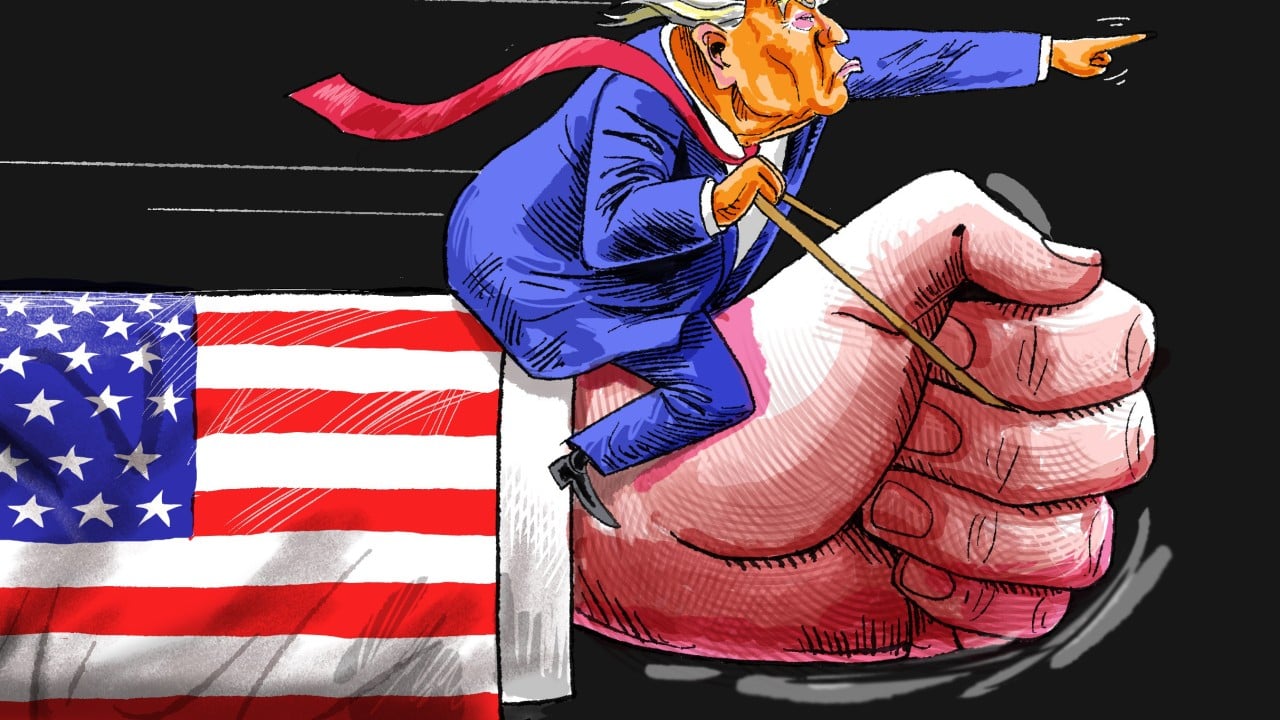
 1 source
Evening Edition · Sunday, May 31, 2026Published at 11:57 AM EDT · New York
An Analyst Reads US Energy Strategy as a Quiet Contest With China
A commentary argues Washington is using energy dominance to constrain Beijing without direct confrontation, a framing with real consequences for global fuel and power supply chains.
A commentary in the South China Morning Post argues that the United States is pursuing energy dominance as a long-term strategy to constrain China, framing the approach through the classical idea that subduing a rival without fighting is the height of skill. The piece interprets American policy, including pressure on oil and gas flows, as an effort to shape Beijing's options indirectly rather than through open conflict.
This is a perspective, not a verified account of intentions, and it comes from a Hong Kong outlet that views Washington's moves from a Chinese standpoint. Read alongside US efforts to broker a Hormuz reopening and to press allies on defense, it describes a strategy in which control over energy supply and prices becomes an instrument of statecraft.
China remains heavily dependent on imported crude and liquefied natural gas, much of it passing through chokepoints it does not control. Any framework that reopens the Strait of Hormuz and lets Iran sell oil freely also affects Beijing, one of Tehran's largest buyers, which links this analysis directly to the day's moves in the oil market.
The broader point for investors is that energy is increasingly treated as a strategic asset rather than a purely commercial one, which raises the chance of policy-driven price moves that supply and demand alone would not explain.
Veracity: Plausible
62/100- If true, who benefits
Beijing's narrative, which casts Washington as the covert aggressor, and equally US energy-dominance advocates who openly tout export leverage over rivals.
- The nuance
The interpretation is plausible and echoed by the Atlantic Council reading of the 2025 strategy, but it attributes a single deliberate intent to what also reflects commercial abundance, and it is a Hong Kong commentary arguing from Beijing's standpoint, not documented US policy.
An open-source-intelligence read of how likely this story is true with its real nuance, not a judgment of any outlet. It assesses the claim, weighing independent and adversarial reporting. How we label confidence.
What this means
When major powers treat energy as leverage, supply and price can shift on political decisions rather than on drilling and demand. That raises the importance of who controls transit routes and export licenses, and it makes diversification of energy sources a strategic question for importing nations and the companies within them.
Source: South China Morning Post
Townsquare
Start a discussion in Townsquare.
More from this edition
- Oil Falls as a US-Iran Framework Nears, Promising to Reopen Hormuz
- A Weak Dollar Keeps the Hard-Money Trade Intact Even as Metals Cool
- Israel Captures Beaufort Castle and Pushes North of the Litani in Lebanon
- US Tells Asian Allies to Spend 3.5 Percent of Output on Defense
- Bitcoin's Shrinking Volatility Is Framed as a Sign of Maturity
- Colombia Votes in a Tight Race That Will Test Investor Sentiment
- Satellite Images Show Israel Expanding Control Over Southern Gaza
- China Marks 20 Years of a Domestic Jet Engine That Cut Reliance on Imports
Comments
0No comments yet.