← The Global Intelligence Brief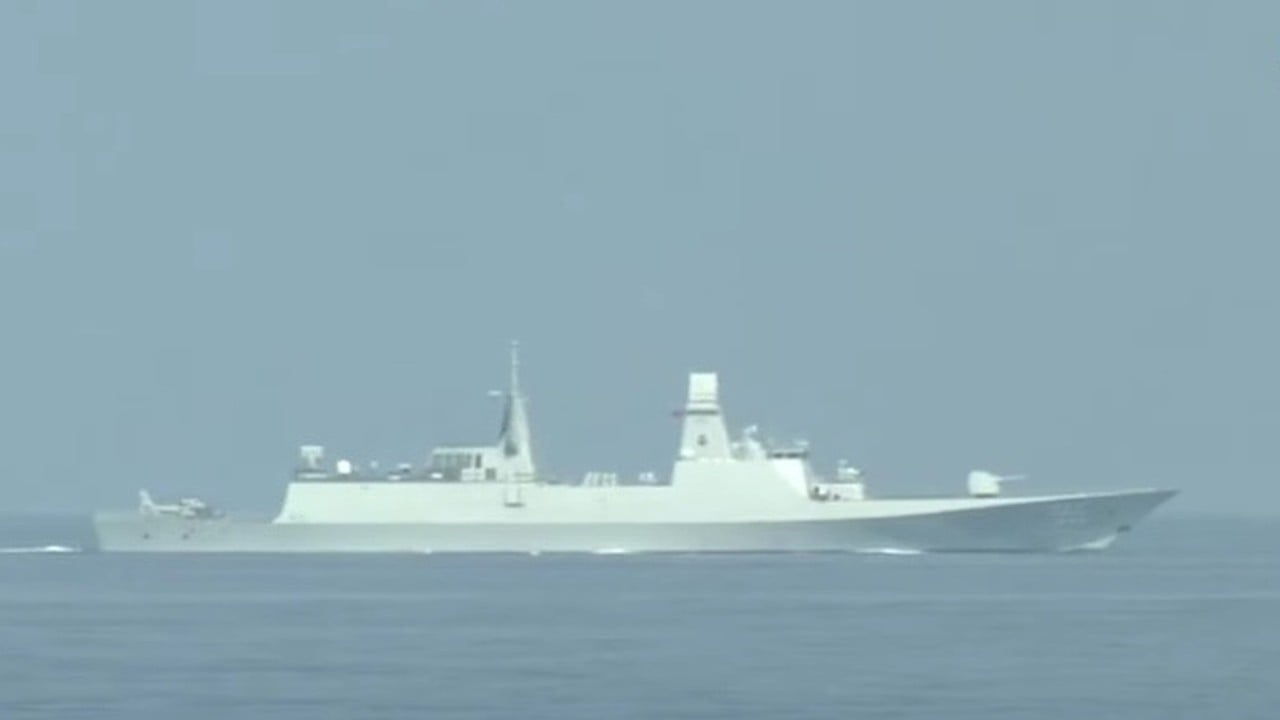
 1 source
Morning Edition · Tuesday, June 23, 2026Published at 6:13 AM EDT · New York
Chinese and Philippine Warships Confront Each Other Near Scarborough Shoal
A rare naval standoff near the disputed feature coincided with the close of a Philippine military exercise with the United States.
Four Chinese warships confronted a Philippine Navy vessel near the disputed Scarborough Shoal on Saturday, in what the South China Morning Post described as a rare standoff between the two navies. The encounter occurred as the Philippines concluded Salaknib 2026, a nearly three-week joint exercise with the United States and allied forces.
The shoal lies in waters claimed by both China and the Philippines, and the dispute over it is one of several points of conflict in the South China Sea. China asserts sovereignty over most of the waterway, a claim that an international tribunal rejected in 2016, while Manila and several neighbors contest Beijing's position. Each government describes its own naval presence as lawful and the other's as a provocation.
The confrontation fits a pattern of intensifying maritime incidents across the Indo-Pacific. The frequency of such encounters has risen as China presses its claims and as the United States deepens military cooperation with regional partners, prompting Japan, the Philippines and others to expand their own forces.
For investors, the relevance lies in the region's centrality to global trade and semiconductor supply. A miscalculation in these waters could disrupt shipping lanes that carry a large share of world commerce.
Part of a tracked trend
Indo-Pacific Arms Race Accelerates
Over the next 3-6 months a sharpening regional arms race drives Japan and its neighbors to expand militaries and export weapons—Tokyo moving to sell missiles—as maritime confrontations with China multiply and Asian rearmament gathers pace.
Veracity: Corroborated
90/100- If true, who benefits
Both governments' domestic audiences, the deepening US-Philippine alliance, and regional defense budgets across Japan and the Philippines.
- The nuance
The encounter ended without incident and resembles recurring shadowing more than a unique standoff, both sides call their own presence lawful, and the cited exercise length differs across reports (weeks versus months).
An open-source-intelligence read of how likely this story is true with its real nuance, not a judgment of any outlet. It assesses the claim, weighing independent and adversarial reporting. How we label confidence.
What this means
Repeated naval standoffs raise the risk of an accident in waterways that carry an enormous volume of global trade and connect the world's main semiconductor producers. Even without open conflict, the trend drives sustained Asian rearmament and higher regional military spending.
What to watch
Source: South China Morning Post
Townsquare
Start a discussion in Townsquare.
More from this edition
- Technology Selloff Spreads Across Global Markets as SpaceX Rally Reverses
- China Blacklists United States Rare-Earth Miners in Retaliation for Pentagon List
- Iran Says No United Nations Inspections of Bombed Nuclear Sites Are Scheduled
- Brent Crude Falls Toward Three-Month Low as United States and Iran Signal Progress
- NATO Heads to a Summit Strained by Trump and a Widening Security Gap
- India Deepens Russian Energy Ties as Trade Talks With Washington Reach a Critical Stage
- Guinea Bans Raw Gold Exports in a Push for More Domestic Value
- BRICS Foreign Ministers Meet in India as War and Oil Test the Bloc's Unity
Comments
0No comments yet.