← The Global Intelligence Brief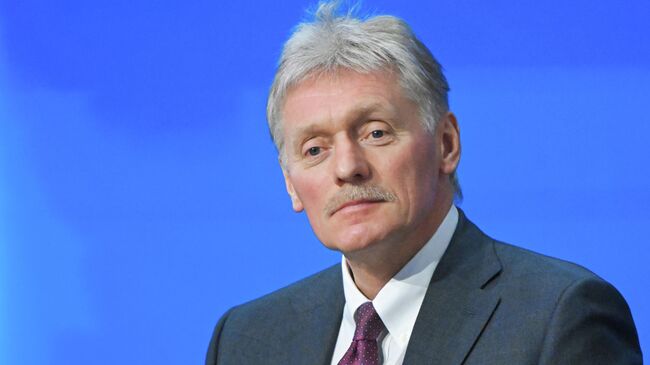


 3 sources
Morning Edition · Tuesday, June 23, 2026Published at 6:13 AM EDT · New York
Kremlin Insists Russia's Economy Is Stable as Strains in the War Model Surface
Moscow points to rising non-oil revenue, while signs of domestic pressure suggest that the source of growth that funded the war is slowing.
The Kremlin said there was no reason to doubt the stability of Russia's economy, its spokesman Dmitry Peskov asserted, pointing to a rising share of non-oil and non-gas revenue in the federal budget, according to RIA Novosti and the financial channel Bankrollo.
The emphasis on revenue away from energy is itself revealing. With oil prices falling and Western sanctions limiting exports, Moscow has relied on taxation, domestic demand and military production to sustain output. Peskov separately argued that it is the United States economy that is being militarized, TASS reported, citing a planned meeting between President Donald Trump and weapons manufacturers.
Independent analysts have described a different situation inside Russia, with business incomes under pressure and localized fuel shortages emerging in some regions. The model that sustained wartime growth, a combination of recovering demand and rising prices, is showing signs of reaching its limits.
From a sound-money view, an economy increasingly organized around state military spending and protected by capital controls can report growth while accumulating distortions. Resources directed into weapons and away from productive investment create imbalances that become visible once the stimulus ends.
Veracity: Corroborated
84/100- If true, who benefits
The Kremlin's domestic stability narrative on one side, and the Western case that sanctions and strikes are biting on the other.
- The nuance
The fuel shortages are documented but driven specifically by Ukrainian drone strikes on refineries rather than a generic "war-model limit," and the rising non-oil revenue Peskov cites is a real budget shift, not purely spin.
An open-source-intelligence read of how likely this story is true with its real nuance, not a judgment of any outlet. It assesses the claim, weighing independent and adversarial reporting. How we label confidence.
What this means
Russia's reliance on military spending and non-energy taxation can support headline figures while hiding underlying strain as oil revenue falls. The durability of the war economy depends on how long the state can substitute for weakening private activity before shortages and falling incomes limit it.
What to watch
Synthesized from: RIA Novosti · Polylog editors · TASS
Townsquare
Start a discussion in Townsquare.
More from this edition
- Technology Selloff Spreads Across Global Markets as SpaceX Rally Reverses
- China Blacklists United States Rare-Earth Miners in Retaliation for Pentagon List
- Iran Says No United Nations Inspections of Bombed Nuclear Sites Are Scheduled
- Brent Crude Falls Toward Three-Month Low as United States and Iran Signal Progress
- NATO Heads to a Summit Strained by Trump and a Widening Security Gap
- India Deepens Russian Energy Ties as Trade Talks With Washington Reach a Critical Stage
- Guinea Bans Raw Gold Exports in a Push for More Domestic Value
- BRICS Foreign Ministers Meet in India as War and Oil Test the Bloc's Unity
Comments
0No comments yet.