← The Global Intelligence Brief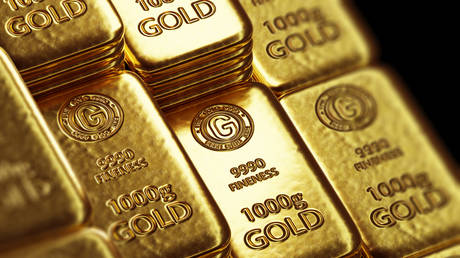

 2 sources
Morning Edition · Tuesday, June 23, 2026Published at 6:13 AM EDT · New York
Guinea Bans Raw Gold Exports in a Push for More Domestic Value
One of Africa's major gold producers ordered refining at home and threatened to revoke the licenses of companies that defy the rule.
Guinea has banned the export of raw gold and warned that it will terminate the operating licenses of companies that violate the order, according to RT. The measure requires producers to process metal domestically, an effort to capture more of the value chain inside the country rather than exporting unrefined ore.
The decision adds Guinea to a growing list of resource-rich states asserting greater control over critical minerals and precious metals. Governments across Africa and beyond have moved to restrict raw exports of gold, lithium and other commodities, seeking domestic refining capacity, higher revenue and leverage over foreign buyers.
The policy comes while gold trades at historically high levels. The metal traded near 4,150 to 4,190 dollars an ounce this week, according to Trading Economics. Prices are influenced by two competing forces, firm expectations of Federal Reserve rate increases on one side and demand for a hard asset on the other.
For a sound-money observer, the combination is notable. As central banks and producing states treat gold as a strategic reserve rather than an ordinary commodity, supply controls of this kind reduce available physical supply and strengthen gold's role outside the dollar-based monetary system.
Veracity: Corroborated
90/100- If true, who benefits
Guinea's military-led government capturing more of the value chain, and the gold-bull and dedollarization narrative the publishing outlet advances.
- The nuance
The ban is confirmed by Bloomberg and trade press, but the Conakry refinery is still being completed, which clouds near-term enforcement, and the "monetary metal outside the dollar" framing is the outlet's editorial gloss, not Guinea's stated economic-value rationale.
An open-source-intelligence read of how likely this story is true with its real nuance, not a judgment of any outlet. It assesses the claim, weighing independent and adversarial reporting. How we label confidence.
What this means
Controls by producing states on raw gold shift bargaining power toward the countries that hold gold reserves and reduce the freely traded physical supply. Combined with strong demand from central banks and investors for hard assets, such moves support gold's standing as a monetary metal independent of any single currency.
What to watch
Synthesized from: RT · Trading Economics
Townsquare
Start a discussion in Townsquare.
More from this edition
- Technology Selloff Spreads Across Global Markets as SpaceX Rally Reverses
- China Blacklists United States Rare-Earth Miners in Retaliation for Pentagon List
- Iran Says No United Nations Inspections of Bombed Nuclear Sites Are Scheduled
- Brent Crude Falls Toward Three-Month Low as United States and Iran Signal Progress
- NATO Heads to a Summit Strained by Trump and a Widening Security Gap
- India Deepens Russian Energy Ties as Trade Talks With Washington Reach a Critical Stage
- BRICS Foreign Ministers Meet in India as War and Oil Test the Bloc's Unity
- Bitcoin Miner Hut 8 Settles Investor Suit Over United States Merger for 2.35 Million Dollars
Comments
0No comments yet.