← The Global Intelligence Brief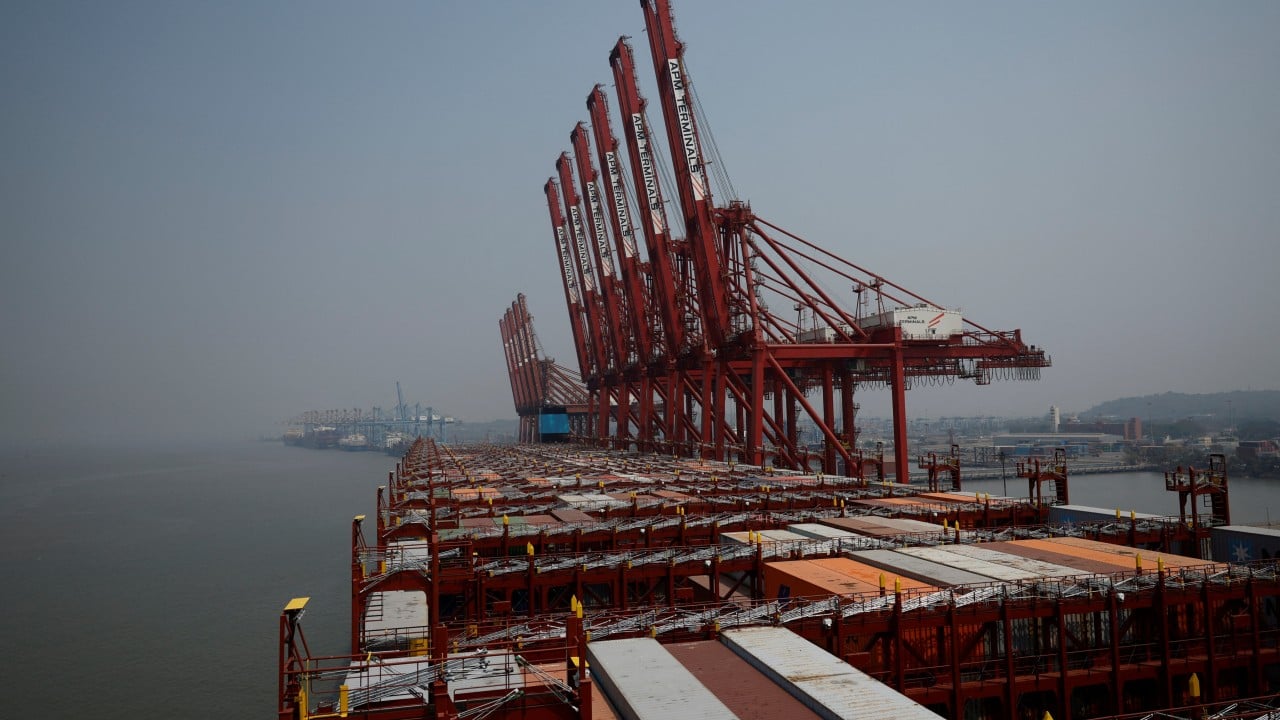


 3 sources
Morning Edition · Tuesday, June 23, 2026Published at 6:13 AM EDT · New York
India Deepens Russian Energy Ties as Trade Talks With Washington Reach a Critical Stage
New Delhi raised purchases of Russian oil and coal even as a United States trade envoy pressed for a broad tariff deal.
India increased its imports of Russian oil and coal to compensate for supply disruptions and higher prices linked to the Middle East conflict, Kommersant reported, citing the analytics firm Kpler. The purchases underline how the world's most populous country continues to buy discounted Russian energy despite Western pressure.
At the same time, the United States Trade Representative, Jamieson Greer, visited India this week for talks that analysts told the South China Morning Post could bring the two sides close to a broad trade agreement after months of tariff disputes. India's protected farm sector remains the principal obstacle.
A further opening may come from the temporary lifting of United States sanctions on Iran. The Hindi service of the BBC noted that India had halted Iranian oil imports under the previous sanctions and that Iran had once sold crude to India in rupees rather than dollars, raising the question of whether that trade could resume on terms outside the dollar system.
India's position illustrates the emergence of a more multipolar trade order. New Delhi maintains relations with Washington, Moscow and Tehran at the same time, buying where the price is lowest and resisting pressure to choose a single bloc.
Veracity: Plausible
68/100- If true, who benefits
Russia's revenue and its argument that sanctions have failed, and India's leverage in the simultaneous tariff talks with Washington.
- The nuance
The Russian-sourced claim of rising Indian purchases sits against separate data showing India's Russian crude imports fell to a multi-year low late in 2025 and a US-touted understanding that India would curb Russian oil, so the direction and timing are genuinely contested.
An open-source-intelligence read of how likely this story is true with its real nuance, not a judgment of any outlet. It assesses the claim, weighing independent and adversarial reporting. How we label confidence.
What this means
India is becoming a central point in the realignment of energy and trade flows, willing to deal with sanctioned suppliers when the economics favor it. Each discounted transaction or transaction settled in rupees rather than dollars slightly reduces Western financial leverage and adds supply to a more fragmented global market.
What to watch
Synthesized from: Kommersant · South China Morning Post · BBC News Hindi
Townsquare
Start a discussion in Townsquare.
More from this edition
- Technology Selloff Spreads Across Global Markets as SpaceX Rally Reverses
- China Blacklists United States Rare-Earth Miners in Retaliation for Pentagon List
- Iran Says No United Nations Inspections of Bombed Nuclear Sites Are Scheduled
- Brent Crude Falls Toward Three-Month Low as United States and Iran Signal Progress
- NATO Heads to a Summit Strained by Trump and a Widening Security Gap
- Guinea Bans Raw Gold Exports in a Push for More Domestic Value
- BRICS Foreign Ministers Meet in India as War and Oil Test the Bloc's Unity
- Bitcoin Miner Hut 8 Settles Investor Suit Over United States Merger for 2.35 Million Dollars
Comments
0No comments yet.