← The Global Intelligence Brief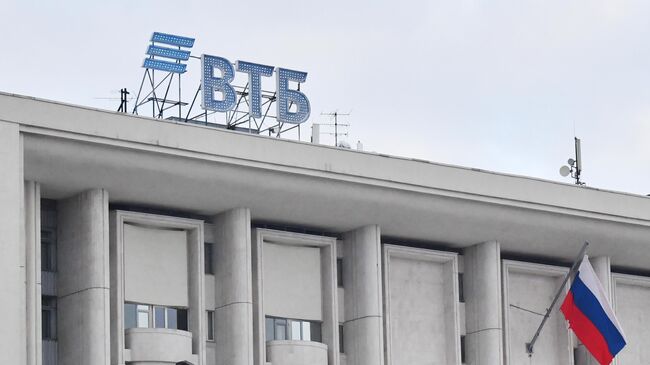


 3 sources
Morning Edition · Monday, July 6, 2026Published at 6:15 AM EDT · New York
Russia's Central Bank Sends a Cautious Signal as the War Economy Strains
Policymakers disappoint markets hoping for clarity while state banks rely on lending to small businesses to keep activity going.
Russia's central bank left market participants more pessimistic after its financial congress, according to the finance channel Bankrollo, which cited the business daily Vedomosti. Analysts and bankers said they had hoped for at least clarity on the path of rates but instead received tighter communication and few clear signals. The bank cut its key rate by 25 basis points to 14.25 percent on June 19, a smaller move than many expected, and its next decision is set for July 24, per the Bank of Russia.
Beneath the headline rate, the economy is showing strain. State lender VTB said it expanded loan guarantees for small and medium-sized businesses by 25 percent, according to RIA Novosti, a sign of how much activity now depends on state-directed credit. In the aviation sector, the head of the United Aircraft Corporation said airlines, not the state, would fund the replacement of foreign engines on the domestic SSJ-100 jet, Kommersant reported, pushing costs onto carriers.
The overall picture is of a war economy with few easy options left. Inflation pressure persists, credit-financed activity accounts for much of the growth, and the central bank must balance supporting output against containing prices. Each is the predictable consequence of sustaining wartime demand through credit while supply is constrained by sanctions and mobilization.
What this means
Russia's growth model, which combined recovering demand with rising prices, is losing momentum as the central bank struggles to ease without causing inflation to rise again. Reliance on state-directed lending and cost-shifting onto companies masks the strain rather than resolving it, and points to a harder adjustment ahead.
What to watch
- The July 24 rate decision and forecast, which reveal how the central bank is weighing inflation against a slowing economy.
- Signs of fuel rationing or falling business incomes, direct evidence of how far the domestic strain has spread.
- The volume of state-guaranteed lending, a measure of how much output now depends on official support rather than private demand.
Observations to monitor, not financial advice.
Synthesized from: Polylog editors · RIA Novosti · Kommersant
Townsquare
Start a discussion in Townsquare.
More from this edition
- Global Investors Shift From Access to Scale in the Yuan, With Hong Kong as the Anchor
- Iran Strikes Ships in the Strait of Hormuz as the US-Iran Truce Expires
- Millions Fill Tehran for Khamenei's Funeral as Iran Balances Mourning and Negotiation
- NATO Meets in Ankara With Trump Pressing Spending and Turkey Center Stage
- Russia and Ukraine Trade Heavy Strikes on the Eve of the NATO Summit
- China Test-Fires a Submarine-Launched Missile Into the Pacific, Drawing Regional Protests
- Bitcoin Trades Near $63,000 as a Coinbase AI Blunder Tests Trust in Automated Finance
- Bank of Israel Expected to Keep Cutting as Tel Aviv Property Stocks Rally
Comments
0No comments yet.