← The Global Intelligence Brief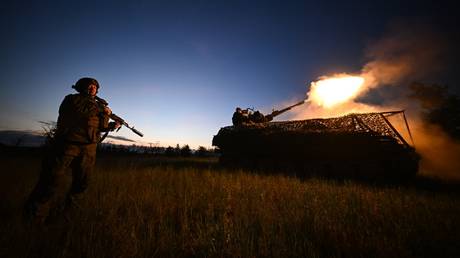


 3 sources
Morning Edition · Monday, July 6, 2026UpdatedPublished at 5:02 PM EDT · New York
Russia and Ukraine Trade Heavy Strikes on the Eve of the NATO Summit
A large overnight barrage on Kyiv and hundreds of intercepted drones underline that the war is escalating even as diplomacy resumes.
Updated at 5:02 PM EDT
The Kyiv death toll rose from 14 this morning to at least 21 (15 in the city and six in the surrounding region), with Ukraine reporting that all ballistic missiles struck their targets.
Russia launched one of its larger recent assaults on Ukraine overnight, firing 351 drones and 68 missiles at Kyiv, according to Israel's Ynet, which noted the attack followed the deadliest single night in the capital so far this year. The death toll climbed through the day to at least 15 people killed in the city and six more in the surrounding region, with about 60 wounded, according to city officials cited by CNN. Ukraine's air force said all of the ballistic missiles fired struck their targets, underscoring Kyiv's dependence on United States Patriot interceptors that are in short supply. The barrage came days after a 90-minute call between Trump and President Vladimir Putin of Russia and ahead of the Ankara summit, where President Volodymyr Zelensky of Ukraine is expected to press for additional Patriot air-defense systems and tens of billions of dollars in support.
Russia's Defense Ministry said its forces struck Ukrainian military and fuel sites, including filling stations in the Sumy and Chernihiv regions, per RIA Novosti. Moscow said its air defenses intercepted 519 Ukrainian drones over Russian territory overnight, according to state broadcaster RT. These figures come from the combatants and cannot be independently confirmed, and each side reports its own successes and the other's aggression.
The pattern is now familiar. Fighting intensifies in step with the diplomatic calendar, with each strike meant to shape the terms of talks that neither side has abandoned. The targeting of fuel depots and logistics on both sides continues to pressure energy infrastructure and, by extension, the revenue and supply lines that sustain the war.
Part of a tracked trend
Ukraine's Deep Strikes on Russian Energy and Logistics
Ukraine sustains a campaign against Russian refineries and supply lines over the next 3-6 months, pressuring Moscow's oil revenue while Russia retaliates against Ukraine's grid.
Veracity: Corroborated
79/100- If true, who benefits
Both governments, each using strikes timed to the NATO summit to improve its bargaining position, and Kyiv specifically, whose case for more Patriot systems is strengthened by a deadly barrage.
- The nuance
The July 6 attack and Kyiv deaths are independently corroborated (counts range from 11 to 27 across outlets), but the 351 drones, 68 missiles, and 519 intercepted drones are combatant figures that cannot be independently verified.
An open-source-intelligence read of how likely this story is true with its real nuance, not a judgment of any outlet. It assesses the claim, weighing independent and adversarial reporting. How we label confidence.
What this means
Heavy strikes on the eve of a NATO summit show diplomacy and escalation running in parallel, with each side trying to improve its bargaining position by force. Sustained attacks on refineries, depots, and grids keep energy-supply risk elevated and drain the fiscal capacity both governments need to keep fighting.
What to watch
Synthesized from: Ynet · RT · RIA Novosti
Townsquare
Start a discussion in Townsquare.
More from this edition
- Global Investors Shift From Access to Scale in the Yuan, With Hong Kong as the Anchor
- Iran Strikes Ships in the Strait of Hormuz as the US-Iran Truce Expires
- Millions Fill Tehran for Khamenei's Funeral as Iran Balances Mourning and Negotiation
- NATO Meets in Ankara With Trump Pressing Spending and Turkey Center Stage
- China Test-Fires a Submarine-Launched Missile Into the Pacific, Drawing Regional Protests
- Bitcoin Trades Near $63,000 as a Coinbase AI Blunder Tests Trust in Automated Finance
- Bank of Israel Expected to Keep Cutting as Tel Aviv Property Stocks Rally
- Russia's Central Bank Sends a Cautious Signal as the War Economy Strains
Comments
0No comments yet.