← The Global Intelligence Brief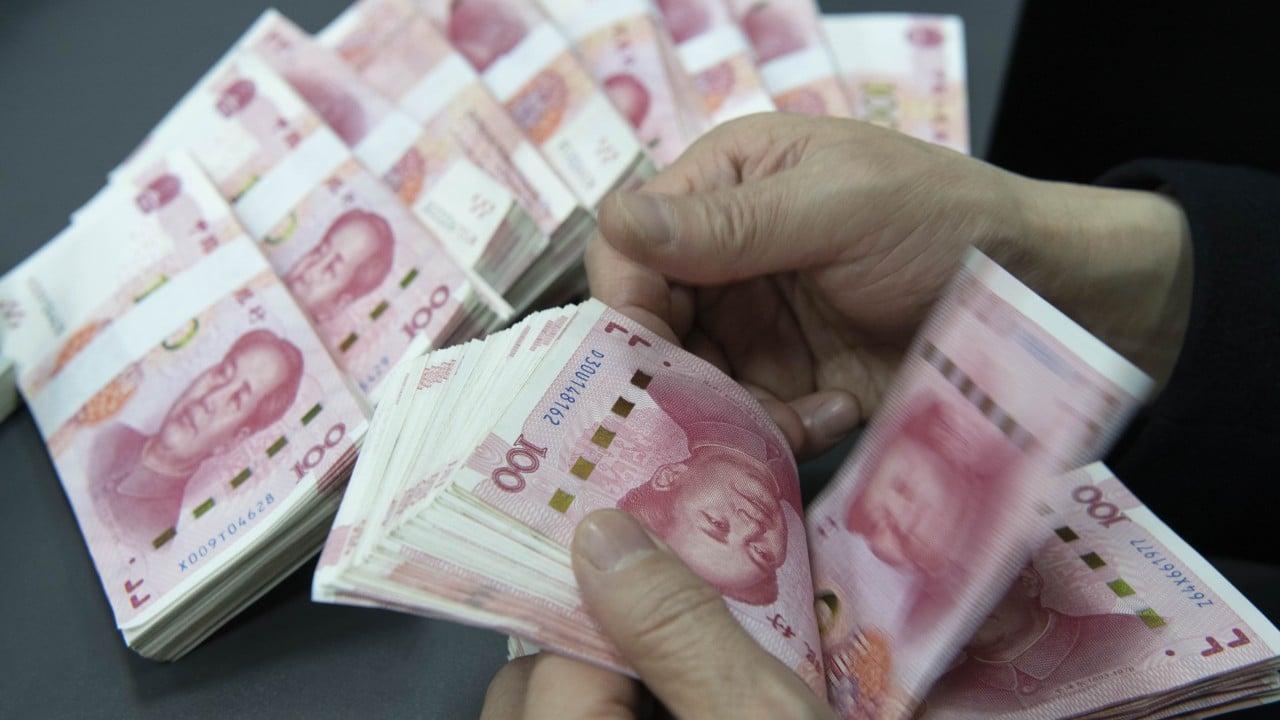


 3 sources
Morning Edition · Monday, July 6, 2026Published at 6:15 AM EDT · New York
Global Investors Shift From Access to Scale in the Yuan, With Hong Kong as the Anchor
A survey of large institutions points to a slow, structural rebalancing of trade and reserves toward China's currency and regional blocs rather than a sudden break from the dollar.
Global institutional investors are no longer asking whether they can enter China's currency markets. They are now asking whether they can operate in the yuan at scale. That is the central finding of a survey by the bank HSBC of more than 120 institutions, reported by the South China Morning Post, which found that offshore hubs, above all Hong Kong, are emerging as the core infrastructure for that shift. Renminbi deposits now make up roughly 12 percent of Hong Kong's banking-system deposits, up from about 1 percent in 2008, according to HSBC executives.
The move is incremental rather than a sudden break. The yuan remains a small share of global reserves, and Beijing keeps tight control over cross-border flows. But the direction is consistent with a wider reordering of commerce around non-dollar channels. Russia and Belarus reported that their mutual trade rose almost 20 percent in the first five months of 2026, according to Kommersant, and Moscow is deepening industrial cooperation with Kyrgyzstan inside the Eurasian Economic Union, Prime Minister Mikhail Mishustin said, per TASS.
From the standpoint of sound money, the appeal is less about the yuan's strengths than about the dollar's weaknesses. Years of expanding credit, large deficits, and the use of the dollar system as an instrument of sanctions have pushed sanctioned and non-aligned states to build parallel financial systems. Each such system is small on its own. Together they mark a gradual move from a single reserve standard toward a more fragmented, multipolar monetary order.
Veracity: Plausible
72/100- If true, who benefits
Beijing and Hong Kong's financial sector, plus sanctioned states building parallel rails, gain from a narrative that normalizes moving reserves and settlement out of the dollar system.
- The nuance
The HSBC survey of 120-plus institutions is real and measures stated intent to diversify, not realized scale, and the yuan remains a low-single-digit share of global reserves and payments, while the Russia-Belarus and Eurasian trade figures come from Russian state outlets.
An open-source-intelligence read of how likely this story is true with its real nuance, not a judgment of any outlet. It assesses the claim, weighing independent and adversarial reporting. How we label confidence.
What this means
Reserve and settlement systems change slowly, and the flows here are still modest, but the accumulation is what matters. A world with more than one credible payment and reserve channel weakens the leverage the dollar system has provided and, over time, changes how sovereign debt, sanctions, and currency risk are priced.
What to watch
Synthesized from: South China Morning Post · Kommersant · TASS
Townsquare
Start a discussion in Townsquare.
More from this edition
- Iran Strikes Ships in the Strait of Hormuz as the US-Iran Truce Expires
- Millions Fill Tehran for Khamenei's Funeral as Iran Balances Mourning and Negotiation
- NATO Meets in Ankara With Trump Pressing Spending and Turkey Center Stage
- Russia and Ukraine Trade Heavy Strikes on the Eve of the NATO Summit
- China Test-Fires a Submarine-Launched Missile Into the Pacific, Drawing Regional Protests
- Bitcoin Trades Near $63,000 as a Coinbase AI Blunder Tests Trust in Automated Finance
- Bank of Israel Expected to Keep Cutting as Tel Aviv Property Stocks Rally
- Russia's Central Bank Sends a Cautious Signal as the War Economy Strains
Comments
0No comments yet.