← The Global Intelligence Brief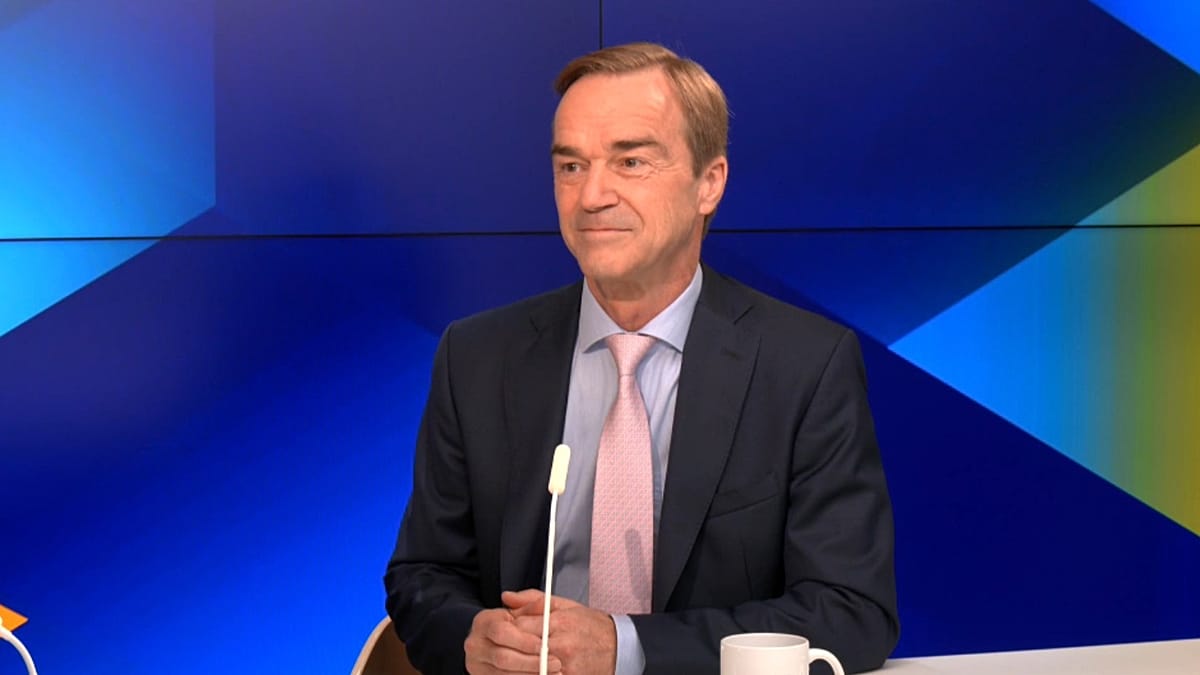

 2 sources
Morning Edition · Tuesday, July 7, 2026Published at 6:17 AM EDT · New York
Europe's Economists Warn of Recession Risk as Aging and Thin Budgets Bite
A senior euro-area official said governments must generate growth with little fiscal room, while Germany recruits abroad to offset a shrinking workforce.
The euro area is under strain and faces a possible recession, Rolf Strauch, chief economist at the European Stability Mechanism, told Euronews. Governments, he said, "have to create growth" to avoid a downturn, but global instability places heavy demands on states that must respond with limited fiscal space. His warning captures the difficult position facing Europe. Slowing activity argues for support, while high debt and past spending limit how much governments can add.
Part of the pressure is demographic. Germany, the bloc's largest economy, is accelerating efforts to attract skilled foreign workers, including from Indonesia, as rapid population aging shrinks its labor force, Antara reported. A smaller number of working-age people reduces output and strains pension and health systems, and immigration is Berlin's attempt to offset a trend that fiscal policy alone cannot reverse.
From an Austrian standpoint, the tension is instructive. Years of low interest rates and heavy borrowing pulled growth forward and left governments with less room to respond to the next slowdown. Calls to "create growth" with constrained budgets tend to lead back toward monetary support, meaning the European Central Bank easing again, which addresses the symptom of weak demand without resolving the underlying problems of aging populations and prior misallocation of capital.
What this means
Europe is approaching a slowdown with less policy room than in past cycles, which raises the odds that the response falls again on the European Central Bank rather than on productive reform. For investors, the combination of weak growth, aging workforces and stretched budgets points to lower potential growth and recurring pressure to loosen monetary policy, with consequences for the euro and European bonds.
What to watch
- Euro-area purchasing managers' surveys and quarterly growth readings, which would confirm or ease the recession warning as they move.
- Any signal from the European Central Bank on further rate cuts, the clearest sign that Europe is again relying on monetary policy to substitute for growth.
- Whether Germany's skilled-migration drive produces measurable inflows, since failure would leave the labor shortage and its effect on output in place.
Observations to monitor, not financial advice.
Synthesized from: Euronews · Antara (Indonesia)
Townsquare
Start a discussion in Townsquare.
More from this edition
- Samsung's Record AI-Memory Profit Meets Investor Doubt, Erasing $100 Billion in Value
- Gold Holds Near $4,150 and Bitcoin Steadies as Equities Slip on Chip Doubts
- Hong Kong Expands Yuan Funding as Beijing Builds Channels Around the Dollar
- Explosions Wound at Least 18 in Damascus During Macron's Landmark Syria Visit
- NATO Meets in Ankara Pledging $40 Billion for Counter-Drone Defense
- Japanese and Chinese Coast Guards Confront Each Other Near Disputed Islands
- Moscow Claims Fresh Gains in Donbas and Kharkiv as It Builds a Border Buffer
- Modi and Prabowo Deepen India-Indonesia Ties With Missiles and Payment Links
Comments
0No comments yet.