← The Global Intelligence Brief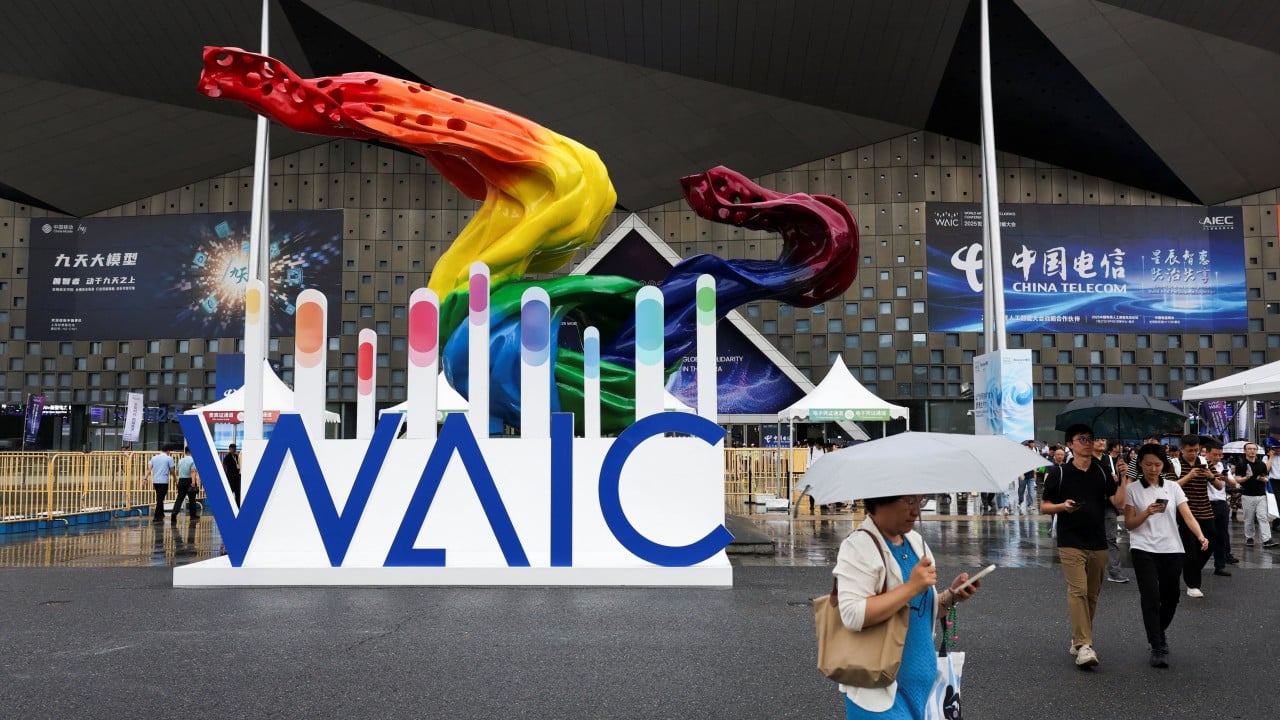

 3 sources
Morning Edition · Tuesday, July 7, 2026Published at 6:17 AM EDT · New York
China Prepares AI Showcase as Huawei Readies New Computing Cluster
The World Artificial Intelligence Conference in Shanghai will feature domestic hardware launches, part of Beijing's drive for self-sufficiency in advanced technology.
China's World Artificial Intelligence Conference is set to feature major product releases, including a next-generation computing cluster from Huawei Technologies and what its makers describe as the world's first artificial-intelligence agent phone, the South China Morning Post reported. The event, the ninth since 2018, comes as Beijing pushes to build competitive artificial-intelligence capabilities despite United States restrictions on the most advanced chips and tools.
The domestic effort is being coordinated with regional hubs. Industry leaders told the newspaper that Hong Kong should draft a focused five-year plan built around its core strengths and its ability to attract talent, rather than attempting to compete across every part of the field, according to the South China Morning Post. The push reflects a strategy of concentrating resources where Chinese firms can lead.
The stakes are global. The United Nations Conference on Trade and Development (UNCTAD) said the world has entered an investment race for leadership in strategic sectors, including artificial-intelligence infrastructure, semiconductor manufacturing, critical minerals and energy-transition technology, TASS reported. Huawei's hardware launches are one part of that competition, and they show how export controls have pushed China toward building an independent technology stack rather than slowing its ambitions.
Part of a tracked trend
China Builds a Parallel Technology Stack
United States export controls push China to develop its own chips, computing hardware and artificial-intelligence systems, accelerating a split of global technology into competing spheres that reshapes supply chains and standards.
Veracity: Corroborated
80/100- If true, who benefits
Huawei and Beijing gain a self-sufficiency narrative that counters United States export controls and rallies domestic buyers and investment.
- The nuance
The "world's first artificial-intelligence agent phone" label and the computing cluster's performance are vendor claims, and a product showcase does not establish parity with the restricted foreign chips.
An open-source-intelligence read of how likely this story is true with its real nuance, not a judgment of any outlet. It assesses the claim, weighing independent and adversarial reporting. How we label confidence.
What this means
China's push to showcase domestically developed computing hardware shows that United States export controls have accelerated rather than halted its drive for technological self-sufficiency. A parallel Chinese technology stack, if it matures, would split the global market for chips and artificial-intelligence systems into competing spheres and reshape supply chains, pricing and standards worldwide.
What to watch
Synthesized from: South China Morning Post · South China Morning Post · TASS (Russia)
Townsquare
Start a discussion in Townsquare.
More from this edition
- Samsung's Record AI-Memory Profit Meets Investor Doubt, Erasing $100 Billion in Value
- Gold Holds Near $4,150 and Bitcoin Steadies as Equities Slip on Chip Doubts
- Hong Kong Expands Yuan Funding as Beijing Builds Channels Around the Dollar
- Europe's Economists Warn of Recession Risk as Aging and Thin Budgets Bite
- Explosions Wound at Least 18 in Damascus During Macron's Landmark Syria Visit
- NATO Meets in Ankara Pledging $40 Billion for Counter-Drone Defense
- Japanese and Chinese Coast Guards Confront Each Other Near Disputed Islands
- Moscow Claims Fresh Gains in Donbas and Kharkiv as It Builds a Border Buffer
Comments
0No comments yet.