← The Global Intelligence Brief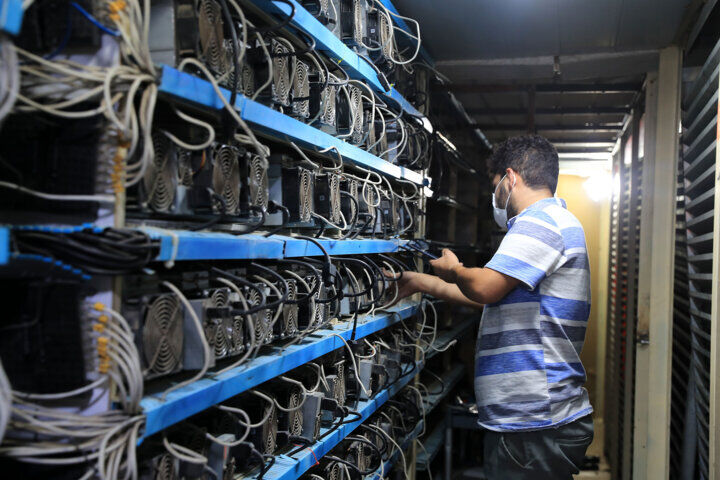
Morning Edition · Wednesday, July 8, 2026Published at 10:24 AM EDT · New York
EU Plans to Revise Crypto Rules in 2027 as Trump Pushes Stablecoins
Brussels wants its Markets in Crypto-Assets framework to cover issuers based outside the EU, while Iran acts against unlicensed mining at home.
The European Union is preparing to revise its Markets in Crypto-Assets Regulation, known as MiCA, to cover issuers based outside the bloc and broaden its scope, with changes expected in 2027. The move responds in part to President Trump's support for stablecoins, digital tokens pegged to currencies, which has raised questions about how European rules should treat dollar-linked coins issued abroad.
The revision reflects a broader contest over who sets the terms for digital money. Washington is encouraging stablecoin adoption, which tends to extend the dollar's use across crypto payment systems, while Brussels wants to ensure foreign issuers fall under its supervision rather than operate outside it.
Enforcement is tightening in other jurisdictions as well. In Iran, authorities in Mazandaran province reported seizing 21 unlicensed cryptocurrency mining rigs in a single week, part of a continuing effort to control unauthorized mining that strains the national power grid. Bitcoin traded near $62,000 on Wednesday, down about 1% following the renewed Middle East strikes.
What this means
Regulation is becoming the main arena for monetary influence in digital assets. If Washington's stablecoin effort succeeds, dollar-pegged tokens spread through global crypto markets and effectively export demand for dollars, which the EU move is designed to contain by bringing foreign issuers under its own supervision. Issuers of dollar stablecoins gain wider use, European regulators seek to protect the euro's position, and states like Iran work to keep mining and crypto flows inside official channels. The common thread is that governments increasingly treat crypto as monetary infrastructure to be governed rather than a marginal activity to be ignored.
What to watch
- The detail of the MiCA revision on how it treats dollar-denominated stablecoins, the point where EU rules and US policy could conflict.
- Whether US stablecoin legislation advances, since faster American adoption would push Brussels to move sooner than 2027.
Observations to monitor, not financial advice.
Townsquare
Start a discussion in Townsquare.
More from this edition
- Iran Strikes US Bases in Bahrain and Kuwait as Trump Declares Truce "Over"; Brent Tops $78
- IMF Cuts 2026 Global Growth to 3% and Lifts Inflation Forecast to 4.7%
- Wall Street Opens Lower as Chip Stocks Fall and Bond Yields Climb
- Tanzania Adds Nearly 28 Tons of Gold to Reserves as Bullion Trades Near $4,100
- Trump Criticizes Allies at NATO Summit and Repeats Demand for Greenland
- US Will License Ukraine to Produce Patriot Interceptors, Trump Says
- Millions Mourn Iran's Slain Supreme Leader as Coffin Moves Through Iraq
- Xi Tells Scientists to Make China a Leading Science Power by 2035
Comments
0No comments yet.