← The Global Intelligence Brief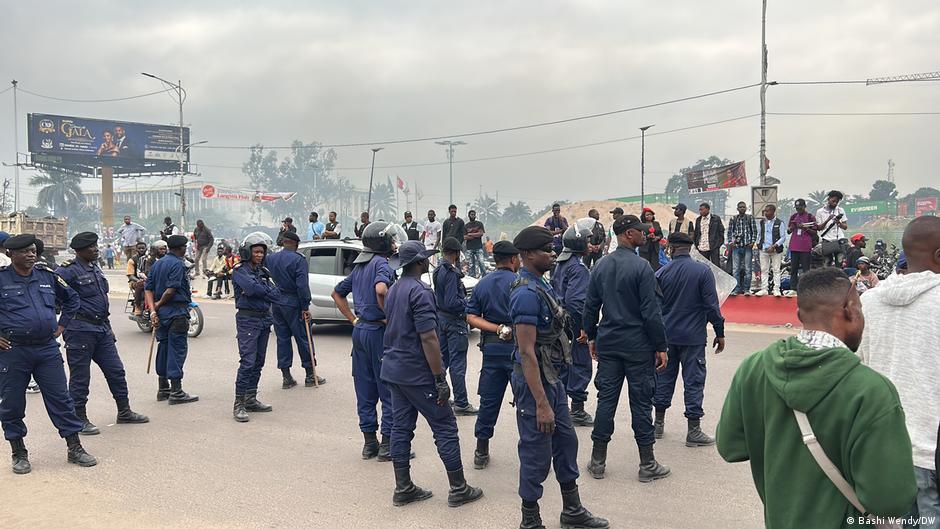
 1 source
Morning Edition · Wednesday, July 8, 2026Published at 10:24 AM EDT · New York
Tensions Rise in DR Congo Over Referendum Critics Call a Third-Term Bid
The opposition accuses President Tshisekedi of using constitutional reform to extend his rule, and has postponed protests after an African Union mediation offer.
Political tension is rising in the Democratic Republic of Congo over plans for a new constitution. The opposition accuses President Felix Tshisekedi of using the proposed referendum to seek a third term, which the current charter would otherwise bar. Opposition groups postponed planned protests after the African Union offered to mediate.
Tshisekedi's supporters describe the effort as reform, while critics see it as an attempt to reset term limits, a pattern seen elsewhere among leaders seeking to extend their time in office. The dispute matters beyond Congolese politics because the country is one of the world's largest sources of cobalt and copper, minerals central to batteries and electronics.
The stakes for supply are real. Instability around a contested constitutional process in a major mining nation introduces risk into commodity chains that manufacturers and technology firms depend on.
Veracity: Corroborated
80/100- If true, who benefits
The opposition's framing of a power grab gains traction, while Tshisekedi's camp gains cover by calling the process constitutional reform rather than a term-limit reset.
- The nuance
Tshisekedi has not formally declared a third-term bid, so the third-term label is the opposition's characterization, and the cobalt and copper supply risk is an analytical projection with no actual output disruption yet.
An open-source-intelligence read of how likely this story is true with its real nuance, not a judgment of any outlet. It assesses the claim, weighing independent and adversarial reporting. How we label confidence.
What this means
The channel from politics to markets runs through minerals. The Democratic Republic of Congo supplies the majority of the world's cobalt and a large share of its copper, so a contested constitutional process that could turn violent threatens the mining and export operations that supply global battery and electronics chains. Automakers, battery producers, and electronics firms are exposed through input costs and availability, while the government and its supporters gain if the referendum consolidates power without disruption. The recurring pattern of incumbents rewriting term limits concentrates political risk in exactly the resource-rich states that markets can least afford to see destabilized.
Source: Deutsche Welle
Townsquare
Start a discussion in Townsquare.
More from this edition
- Iran Strikes US Bases in Bahrain and Kuwait as Trump Declares Truce "Over"; Brent Tops $78
- IMF Cuts 2026 Global Growth to 3% and Lifts Inflation Forecast to 4.7%
- Wall Street Opens Lower as Chip Stocks Fall and Bond Yields Climb
- Tanzania Adds Nearly 28 Tons of Gold to Reserves as Bullion Trades Near $4,100
- Trump Criticizes Allies at NATO Summit and Repeats Demand for Greenland
- US Will License Ukraine to Produce Patriot Interceptors, Trump Says
- Millions Mourn Iran's Slain Supreme Leader as Coffin Moves Through Iraq
- Xi Tells Scientists to Make China a Leading Science Power by 2035
Comments
0No comments yet.