← The Global Intelligence Brief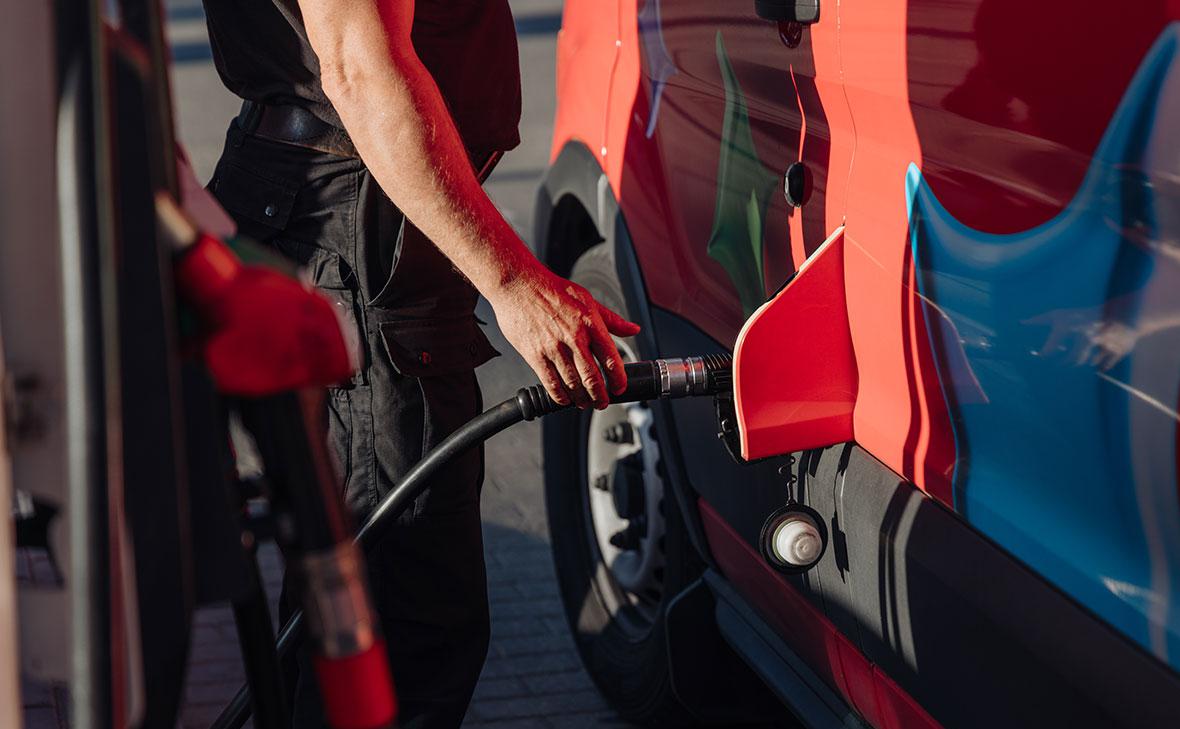
 2 sources
Morning Edition · Wednesday, July 8, 2026Published at 10:24 AM EDT · New York
Fuel and Power Shortages in Crimea Signal Strain in Russia's War Economy
The region's head says he reports regularly to Putin on the situation, as a court orders Anatoly Chubais and former managers to pay 11.9 billion rubles.
The head of Crimea, Sergey Aksyonov, said he informs President Vladimir Putin on a regular basis about the situation with fuel supply and electricity in the region, an acknowledgment that shortages have become a persistent management problem rather than a passing disruption. Ukraine's sustained strikes on Russian refineries and logistics have reduced fuel availability in several southern regions.
Separately, a Russian arbitration court granted a claim by the state technology corporation Rosnano against Anatoly Chubais, its former head, and former board members, ordering them to pay 11.9 billion rubles in damages linked to a failed project. The suit alleged unreasonable conduct by the defendants.
Together the two developments point to growing pressure inside Russia's economy. Energy rationing in outlying regions and legal action over past state investment occur alongside a growth model that increasingly depends on wartime spending to sustain demand.
Veracity: Corroborated
79/100- If true, who benefits
Kyiv's narrative that Russia's war economy is weakening gains evidence, strengthening the case that its refinery strikes are reaching Russian consumers.
- The nuance
The Crimea fuel and power shortages are well documented, but treating them plus a single corporate court judgment as proof the wider war economy is failing is an interpretive leap beyond what the two facts support.
An open-source-intelligence read of how likely this story is true with its real nuance, not a judgment of any outlet. It assesses the claim, weighing independent and adversarial reporting. How we label confidence.
What this means
The mechanism is the erosion of the war economy's foundations. Fuel rationing in a region like Crimea shows Ukraine's strikes on refineries reaching consumers, which strains both public patience and the logistics that support the military. The Rosnano judgment shows the state recovering past investment losses, a sign of tighter scrutiny as budgets narrow. Russia's oil revenue and domestic demand are the exposed variables, and the combination of physical fuel shortages and fiscal strain tests how long a spending-led model can continue.
What to watch
Synthesized from: RBC · RBC (Rosnano)
Townsquare
Start a discussion in Townsquare.
More from this edition
- Iran Strikes US Bases in Bahrain and Kuwait as Trump Declares Truce "Over"; Brent Tops $78
- IMF Cuts 2026 Global Growth to 3% and Lifts Inflation Forecast to 4.7%
- Wall Street Opens Lower as Chip Stocks Fall and Bond Yields Climb
- Tanzania Adds Nearly 28 Tons of Gold to Reserves as Bullion Trades Near $4,100
- Trump Criticizes Allies at NATO Summit and Repeats Demand for Greenland
- US Will License Ukraine to Produce Patriot Interceptors, Trump Says
- Millions Mourn Iran's Slain Supreme Leader as Coffin Moves Through Iraq
- Xi Tells Scientists to Make China a Leading Science Power by 2035
Comments
0No comments yet.