← The Global Intelligence Brief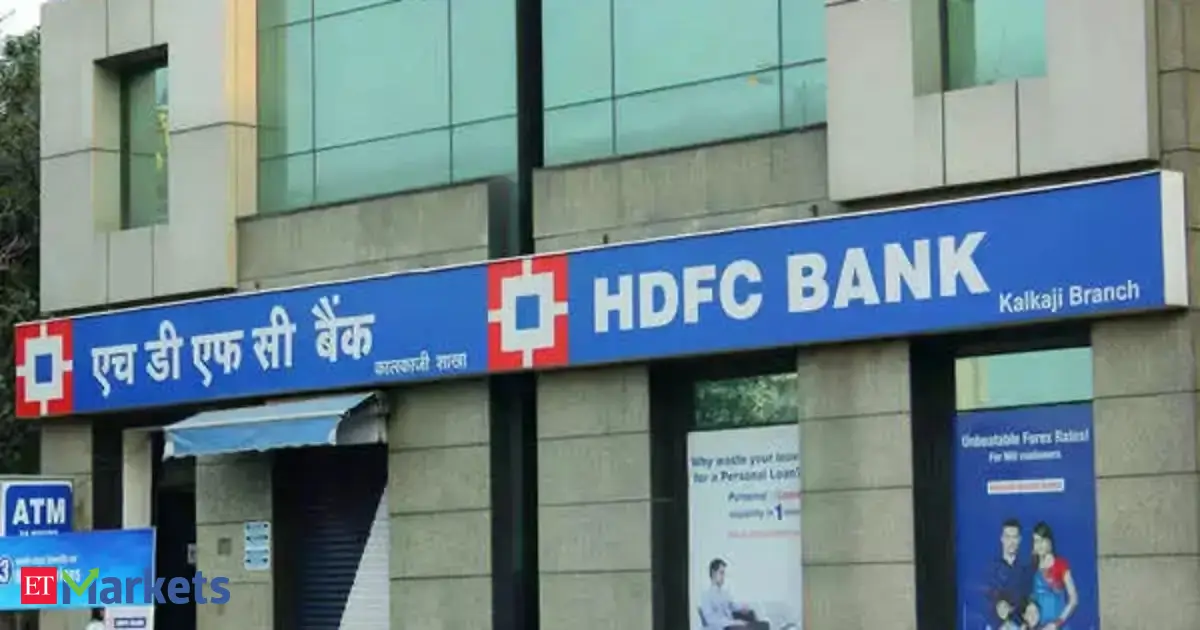
 3 sources
Morning Edition · Monday, July 20, 2026UpdatedPublished at 7:03 AM EDT · New York
Sensex Falls More Than 600 Points as HDFC and Axis Bank Earnings Disappoint
India's largest private lenders each dropped about 5 percent despite higher profits, as investors focused on margin pressure and rising crude prices rather than headline earnings.
Updated at 7:03 AM EDT
The Indian market closed: the Sensex pared an intraday drop of more than 600 points to end down about 443 at 77,708, with Axis Bank finishing down about 6 percent.
Indian equities fell on Monday as June-quarter results from the country's biggest banks failed to satisfy investors already nervous about oil. The BSE Sensex dropped more than 600 points at its intraday low before paring the loss to close down about 443 points at 77,708, and the Nifty settled around 24,239, pulled lower by a selloff in banking shares, according to Business Standard.
The reaction was harsh even where profits grew. HDFC Bank fell about 5 percent after reporting a 5 percent rise in quarterly net profit, with net interest income up 7 percent, because its margin came in weaker than expected, according to the Economic Times. Axis Bank dropped about 6 percent despite a 22.5 percent jump in profit, as analysts flagged margin concerns. Not every lender suffered. ICICI Bank rose about 3 percent on stronger loan growth and improving asset quality, and Bernstein upgraded the stock.
Reliance Industries was an exception. Its shares gained after better-than-expected results across energy, refining and digital businesses, and several brokerages raised their price targets.
India imports more than 85 percent of its crude, so the jump in Brent above 90 dollars amplified the earnings-driven weakness by threatening a wider trade deficit and a softer rupee.
What this means
India's banks are the core of a domestic-demand growth story, so compressing net interest margins matters more to investors than headline profit growth, because it signals how much lenders can earn as deposit costs rise. Bank shareholders lose when margins narrow, while consumer and energy names such as Reliance can still gain. The added oil shock hits India through the import bill and the currency, which pulls foreign portfolio money out. The channel is margins plus the external deficit.
What to watch
- Net interest margin guidance from the remaining large lenders this earnings season, because the trend will show whether the HDFC result is bank-specific or sector-wide.
- The rupee against the dollar, since a sustained oil spike tends to widen India's deficit and pressure the currency.
- Foreign portfolio flows into and out of Indian equities, which reveal whether global investors still treat India as insulated from the oil shock.
Observations to monitor, not financial advice.
Synthesized from: Economic Times · Economic Times · Economic Times
Townsquare
Start a discussion in Townsquare.
More from this edition
- Brent Crude Tops 90 Dollars as Iran Strikes Tankers and Hormuz Traffic Slows
- Houthis Declare Immediate Naval Blockade of Saudi Arabia at Bab el-Mandeb, Opening a Second Chokepoint Front
- United States Strikes Iran for Ninth Straight Night as American Death Toll Rises
- Dollar Firms and Gold Holds Near 4,000 Dollars as Oil Shock Revives Higher-for-Longer Bets
- Morgan Stanley Becomes Wall Street's Top Arranger of Artificial-Intelligence Debt
- Europe and China Edge Toward a Trade War as a Second Export Shock Builds
- Andy Burnham Prepares to Take Office as Britain's Prime Minister
- Drone Barrage Hits Moscow Region as Analyst Warns Turkey Could Lose Gas This Winter
Comments
0No comments yet.