← The Global Intelligence Brief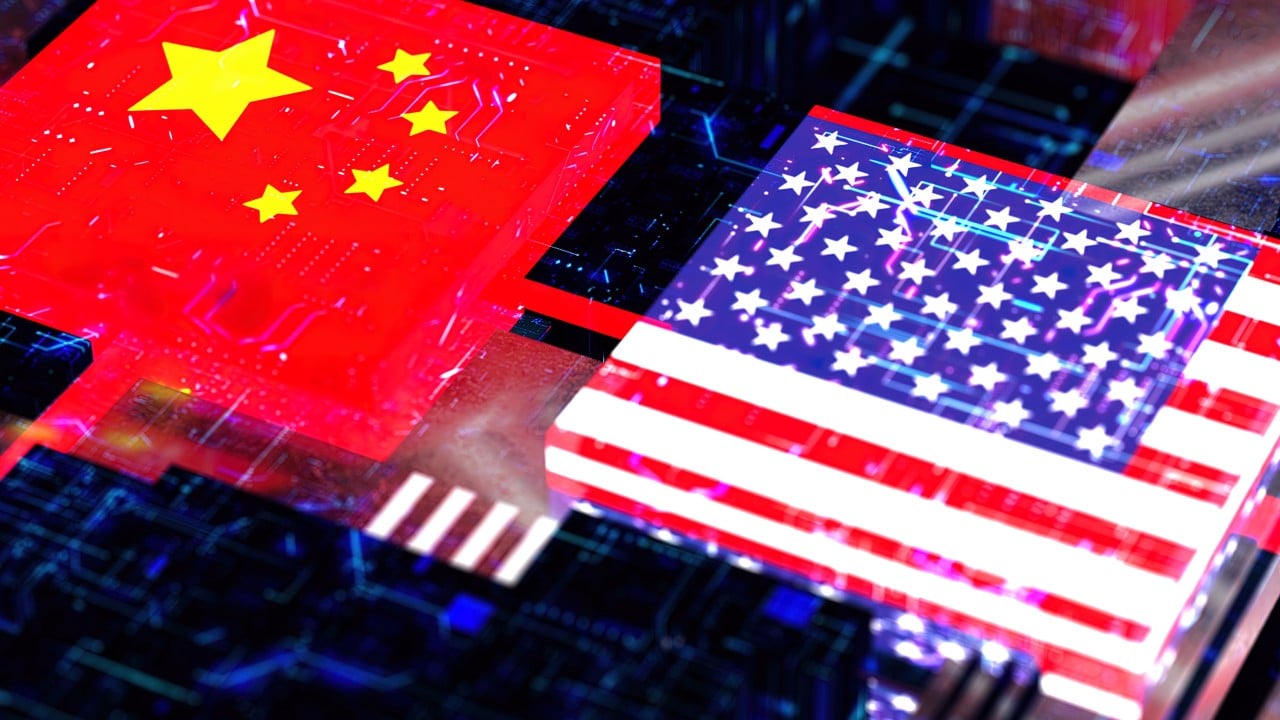


 3 sources
Morning Edition · Monday, July 20, 2026Published at 1:14 AM EDT · New York
Russian Demand for Chip-Based Computing Surges as Sanctioned Economies Build Their Own Stacks
Cloud infrastructure built on graphics processors grew more than fivefold in Russia in six months, one sign of how export controls are pushing rivals to assemble parallel technology systems.
Demand for computing built on graphics processors is climbing sharply in Russia. Kommersant reported that demand for cloud infrastructure based on graphics processors rose 507 percent over six months, with the number of new connections up 160 percent, as Russian firms build out artificial-intelligence capacity despite Western restrictions on advanced chips.
The pattern reflects a larger split. United States export controls on high-end semiconductors have pushed both China and Russia to develop domestic chips, computing hardware and artificial-intelligence systems, accelerating a division of global technology into competing spheres. The South China Morning Post reported that for policymakers in Beijing and Washington, artificial intelligence has become a central area of strategic rivalry, from export controls to scrutiny of foreign investment, even as scientists on both sides try to keep collaborating.
Diplomacy has not stopped entirely. RBC reported that Secretary of State Marco Rubio said a planned visit by Chinese leader Xi Jinping to the United States remains on track, despite recent accusations from Washington about Chinese interference in the 2020 election.
The direction is toward duplication. Where one bloc restricts access, the other invests to build its own version, which fragments supply chains and technical standards.
Part of a tracked trend
China Builds a Parallel Technology Stack
United States export controls push China to develop its own chips, computing hardware and artificial-intelligence systems, accelerating a split of global technology into competing spheres that reshapes supply chains and standards.
Veracity: Plausible
68/100- If true, who benefits
Russian domestic cloud and chip suppliers gain protected demand, and critics of Western export controls gain evidence that sanctions drive substitution rather than denial.
- The nuance
The 507 percent figure is one provider's self-reported growth off a small base, not a market-wide measure, and Russia still lacks the high-end accelerators needed for large models.
An open-source-intelligence read of how likely this story is true with its real nuance, not a judgment of any outlet. It assesses the claim, weighing independent and adversarial reporting. How we label confidence.
What this means
Export controls that deny advanced chips to rivals push those rivals to build parallel computing systems, which over time reduces the leverage the controls were meant to create and splits the technology market into separate standards. Western chipmakers lose long-term access to large markets, while domestic suppliers in China and Russia gain protected demand. The channel is restriction producing substitution, which fragments global supply chains.
Synthesized from: Kommersant · South China Morning Post · RBC
Townsquare
Start a discussion in Townsquare.
More from this edition
- Brent Crude Tops 90 Dollars as Iran Strikes Tankers and Hormuz Traffic Slows
- Houthis Declare Immediate Naval Blockade of Saudi Arabia at Bab el-Mandeb, Opening a Second Chokepoint Front
- United States Strikes Iran for Ninth Straight Night as American Death Toll Rises
- Dollar Firms and Gold Holds Near 4,000 Dollars as Oil Shock Revives Higher-for-Longer Bets
- Sensex Falls More Than 600 Points as HDFC and Axis Bank Earnings Disappoint
- Morgan Stanley Becomes Wall Street's Top Arranger of Artificial-Intelligence Debt
- Europe and China Edge Toward a Trade War as a Second Export Shock Builds
Comments
0No comments yet.