← The Global Intelligence Brief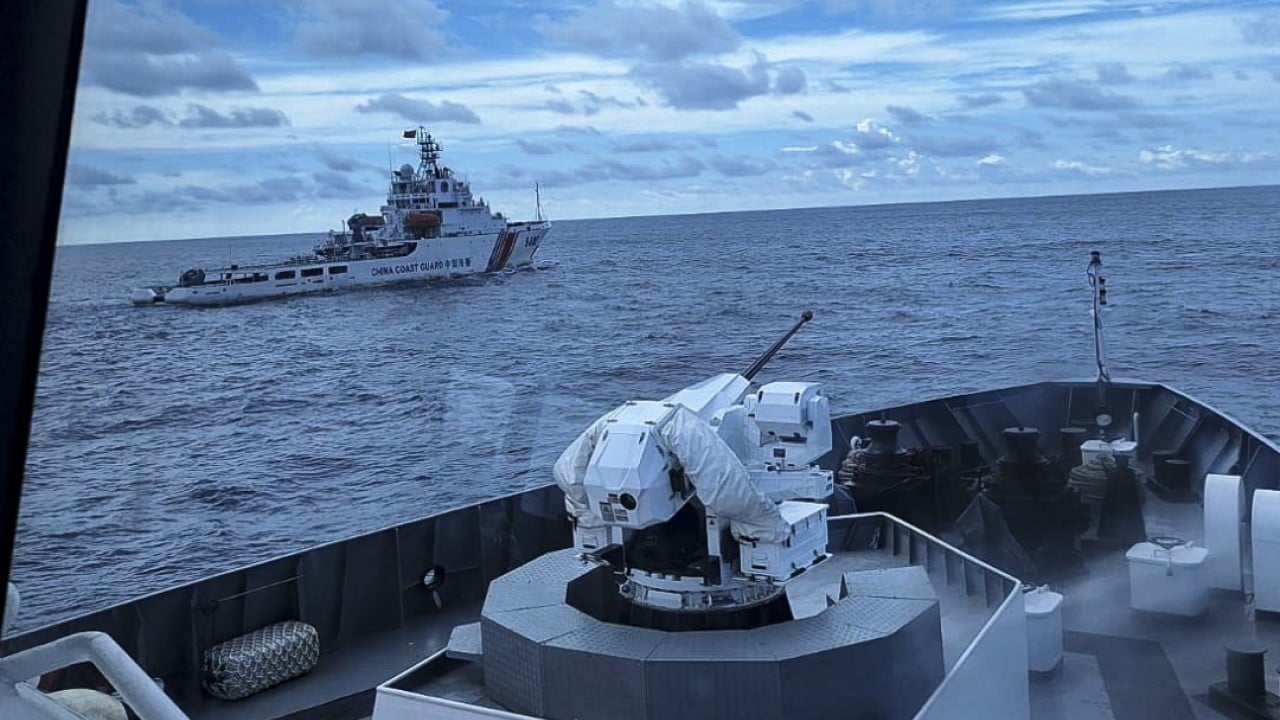

 2 sources
Morning Edition · Wednesday, July 22, 2026Published at 1:31 AM EDT · New York
Indonesia Restarts North Natuna Gas Project That Beijing Had Opposed
A long-stalled field in the South China Sea has resumed activity under a new operator, testing China's claims in waters it says overlap its own.
Indonesia's long-delayed gas project in the North Natuna Sea has resumed activity, the South China Morning Post reported, with a new operator, Prime Group, confirming work at a strategically sensitive field after years of commercial uncertainty and pressure from China. The waters lie within Indonesia's exclusive economic zone but overlap the expansive maritime claims Beijing asserts in the South China Sea.
The restart is a measured assertion of resource rights. By allowing a domestic operator to resume drilling in a contested area, Jakarta signals that it will develop energy reserves it considers its own, even where China objects, while stopping short of a direct confrontation.
The move fits a broader security posture in Jakarta. President Prabowo Subianto, swearing in newly commissioned military and police officers, warned of the threat of cyber warfare and urged them to master artificial intelligence and new technologies, the state news agency Antara reported. The emphasis on modern capabilities reflects an Indonesia positioning itself for competition in areas beyond conventional forces.
Southeast Asian states are increasingly willing to develop contested maritime resources rather than defer to Chinese pressure, a shift that adds points of friction in waters through which a large share of global trade passes. Each project that proceeds tests how far Beijing will go to enforce claims that regional neighbors and international tribunals dispute.
Veracity: Plausible
71/100- If true, who benefits
Jakarta asserting resource rights in its exclusive economic zone and the field's operator, while any restart tests Beijing's willingness to enforce its South China Sea claims.
- The nuance
The load-bearing nuance the article omits is that the revived Tuna Block is being developed with Russian state energy company Zarubezhneft, which reframes the restart as an Indonesia-Russia venture carrying sanctions exposure, not simply Jakarta defying China.
An open-source-intelligence read of how likely this story is true with its real nuance, not a judgment of any outlet. It assesses the claim, weighing independent and adversarial reporting. How we label confidence.
What this means
Indonesia developing gas in contested waters raises the risk of maritime incidents in the South China Sea, a corridor for much of the world's seaborne trade, and any confrontation there would raise shipping and energy costs across Asia. The exposure runs to regional energy operators and to any company dependent on stable South China Sea shipping lanes, since escalation would raise insurance and routing costs.
What to watch
Synthesized from: South China Morning Post · Antara
Townsquare
Start a discussion in Townsquare.
More from this edition
- Trump Imposes 50% Tariffs on About $20 Billion of Canadian Goods, Reviving a 1930 Law
- Yen Falls Past 163 Per Dollar to Its Weakest Since 1986 as Chip Rally Lifts Risk Assets
- Houthis Declare Naval Blockade of Saudi Arabia and Say They Struck Two Oil Tankers Near Bab el-Mandeb
- Trump Sets Generic-Drug Tariffs Rising to 100 Percent in 2028 and 200 Percent a Year Later
- Iran Fires Missiles and Drones at Jordan as US-Iran Ceasefire Talks Collapse
- Bitcoin Holds Near $66,300 as AI-Driven Risk Appetite Steadies Crypto
- Foreign Carmakers Lose More Ground in China as EV Powerhouses Erode the Luxury Segment
Comments
0No comments yet.